Short Answer
Welcome to your comprehensive guide to the Rider-Waite Tarot deck, one of the most iconic and influential tarot systems in the world. Whether you’re a beginner seeking foundational knowledge or an experienced reader looking to deepen your understanding, this guide will explore the history, structure, symbolism, and practical applications of the Rider-Waite Tarot. You’ll discover how this deck has shaped modern tarot interpretation, its unique artistic features, and how to use it for personal insight, divination, and spiritual growth. By the end, you’ll have a thorough grasp of what makes this deck timeless and how to engage with it meaningfully.
The Origins and History of the Rider-Waite Tarot
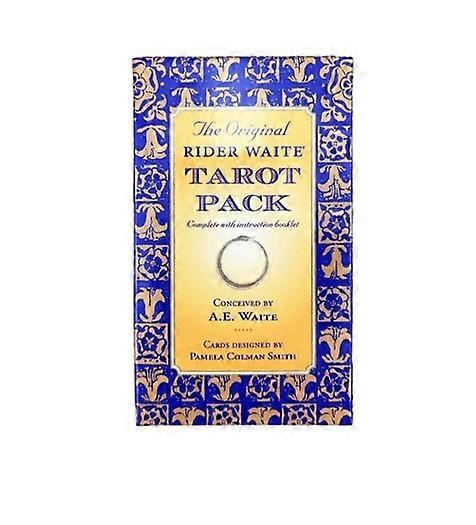
The Rider-Waite Tarot, first published in 1909, is the result of a groundbreaking collaboration between artist Pamela Colman Smith and mystic A. E. Waite. Commissioned by London-based publisher William Rider & Son, this deck broke from tradition by featuring fully illustrated scenes on all 78 cards—including the Minor Arcana—unlike earlier decks that only illustrated the Major Arcana. This innovation made the Rider-Waite Tarot accessible and intuitive, allowing readers to connect more deeply with the imagery and symbolism.
Waite, a member of the Hermetic Order of the Golden Dawn, infused the deck with esoteric wisdom, drawing from Kabbalah, astrology, and Christian mysticism. The deck’s name combines the publisher’s name with Waite’s, reflecting its collaborative creation. Over a century later, the Rider-Waite Tarot remains the most widely used and reproduced tarot deck in the world, serving as the foundation for countless modern decks and interpretations.
The Structure of the Rider-Waite Tarot Deck
The Rider-Waite Tarot consists of 78 cards divided into two main sections: the Major Arcana and the Minor Arcana. The Major Arcana contains 22 cards, each representing significant life themes, spiritual lessons, or archetypal journeys. These cards—such as The Fool, The Lovers, and Death—often signify major turning points or karmic influences in a reading. They are numbered from 0 (The Fool) to XXI (The World), with The Fool often considered the starting point of the tarot journey.
The Minor Arcana comprises 56 cards divided into four suits: Wands, Cups, Swords, and Pentacles. Each suit corresponds to an element—fire, water, air, and earth, respectively—and reflects everyday experiences, challenges, and opportunities. The Minor Arcana cards are further divided into numbered cards (Ace through 10) and court cards (Page, Knight, Queen, King). Together, these cards provide nuanced insights into daily life, relationships, work, and personal growth.
Symbolism and Artistic Features
One of the most compelling aspects of the Rider-Waite Tarot is its rich symbolism, deeply embedded in every card. Pamela Colman Smith’s artwork blends Art Nouveau aesthetics with mystical imagery, creating a visual language that speaks to both the conscious and subconscious mind. For example, The High Priestess card features a veiled figure seated between two pillars, symbolizing intuition, hidden knowledge, and the threshold between the known and the unknown. The Tower, with its lightning-struck structure and falling figures, represents sudden upheaval and revelation.
The Minor Arcana cards are equally symbolic. The Ace of Cups, for instance, depicts a hand holding a cup from which five streams flow, symbolizing emotional abundance, love, and spiritual nourishment. The Five of Pentacles shows two figures in poverty outside a stained-glass window, illustrating financial struggle and the need for community support. These images invite readers to explore layers of meaning beyond surface-level interpretations, encouraging personal reflection and intuitive connection.
How to Use the Rider-Waite Tarot for Readings
Using the Rider-Waite Tarot effectively begins with understanding its structure and symbolism, but it also requires practice and intuition. Beginners often start with simple spreads, such as the three-card spread, which represents past, present, and future, or mind-body-spirit. As you grow more comfortable, you can explore more complex layouts like the Celtic Cross, which offers deeper insight into challenges and outcomes.
When interpreting a reading, consider both the card’s traditional meanings and your intuitive response to the imagery. For example, The Chariot often signifies determination and victory, but if it appears in a reading about a relationship, you might also reflect on themes of control or partnership dynamics. Journaling your readings can help track patterns and deepen your understanding over time. Additionally, cleansing your deck—through smudging, moonlight, or visualization—can help maintain a clear and focused energy for readings.
Common Misconceptions and Clarifications
Despite its popularity, several misconceptions surround the Rider-Waite Tarot. One common myth is that tarot cards predict the future with absolute certainty. In reality, tarot offers guidance, reflection, and potential outcomes based on current energies and choices. The cards serve as a mirror, highlighting influences and possibilities rather than fixed destinies.
Another misconception is that only psychics or gifted individuals can read tarot. While intuition plays a role, tarot reading is a skill that can be learned by anyone willing to study the cards, practice, and trust their insights. The Rider-Waite Tarot’s clear imagery makes it an excellent choice for beginners, as the visual cues provide a strong foundation for interpretation.

Comparing the Rider-Waite Tarot to Other Decks
The Rider-Waite Tarot stands out for its accessibility and versatility, but it’s not the only deck available. Many modern decks draw inspiration from its imagery while adding unique twists. For example, the Thoth Tarot, designed by Aleister Crowley and Lady Frieda Harris, incorporates more complex esoteric symbolism and is better suited for advanced readers. In contrast, decks like the Modern Witch Tarot or the Light Seer’s Tarot offer inclusive, contemporary interpretations while retaining the Rider-Waite structure.
Choosing a deck often depends on personal preference and the reader’s goals. If you’re drawn to the Rider-Waite’s classic imagery and want a deck that aligns with traditional interpretations, it remains an excellent choice. However, if you prefer a more personalized or themed approach, exploring other decks can enrich your tarot practice and offer fresh perspectives.
Tips for Deepening Your Connection with the Rider-Waite Tarot
To develop a deeper relationship with the Rider-Waite Tarot, consider engaging with the cards beyond readings. Study the guidebook that accompanies many editions, which often includes traditional interpretations and card meanings. You can also explore books by authors like Rachel Pollack or Mary K. Greer, who offer advanced insights into the deck’s symbolism and history.
Another way to connect is through meditation or visualization exercises. Spend time with a single card each day, observing its imagery, colors, and emotions it evokes. Ask yourself what messages the card holds for you in your current life situation. Additionally, joining tarot communities or attending workshops can provide opportunities to learn from others and share experiences, enhancing your understanding and confidence as a reader.
Conclusion
The Rider-Waite Tarot is more than just a deck of cards—it’s a gateway to self-discovery, spiritual exploration, and intuitive wisdom. Its rich history, profound symbolism, and accessible structure make it an invaluable tool for both beginners and seasoned readers. By studying its cards, practicing readings, and trusting your intuition, you can unlock the deck’s potential to guide, inspire, and illuminate your path. Whether you use it for divination, personal reflection, or creative inspiration, the Rider-Waite Tarot offers endless opportunities for growth and connection. Embrace the journey, and let the cards reveal their timeless wisdom to you.
FAQ
What is the Rider-Waite Tarot?
The Rider-Waite Tarot is a widely used tarot deck known for its accessible imagery and rich symbolism, often used for divination and personal insight.
How do I use the Rider-Waite Tarot for readings?
Start with simple spreads like the three-card spread, interpret cards based on traditional meanings and personal intuition, and practice regularly for deeper understanding.
What are some common misconceptions about tarot?
Many believe tarot predicts the future with certainty; however, it offers guidance based on current energies and choices rather than fixed outcomes.
Leave a Reply