Short Answer
In this guide, you’ll uncover the deep symbolism and psychological layers behind the Five of Swords, a tarot card that challenges the notion of victory at any cost. You’ll explore its upright and reversed meanings in love, money, health, and personal growth, while dissecting the moral dilemmas it presents. By the end, you’ll understand how this card serves as a mirror to human nature—revealing the hidden prices of competition, betrayal, and hollow triumphs. Whether you’re a tarot enthusiast, a seeker of self-awareness, or someone navigating a cutthroat situation, this exploration will equip you with the wisdom to recognize when winning might be a pyrrhic victory.
The Five of Swords: A Card of Moral Ambiguity
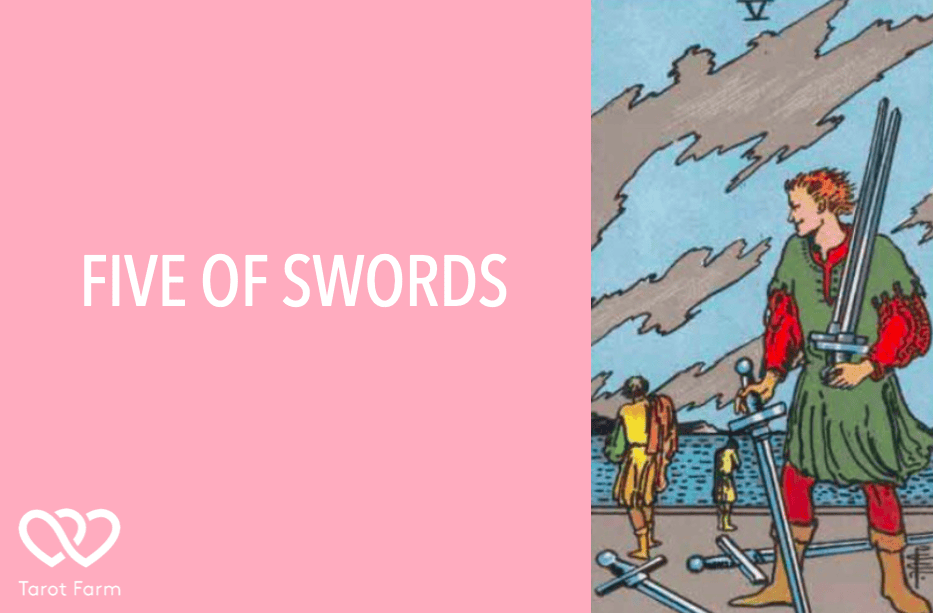
The Five of Swords is often depicted as a man standing triumphantly over three fallen swords, holding two upright ones in his hands. His posture is one of confidence, even arrogance, but his expression is hollow—his eyes downcast, his victory tinged with emptiness. This imagery is a powerful metaphor for success that comes at the expense of others. Unlike other victory-themed cards, the Five of Swords doesn’t celebrate achievement; it questions it. What does it mean to win when the cost is isolation, resentment, or the erosion of trust?
At its core, this card represents conflict, manipulation, and the pursuit of dominance. It’s not just about winning a battle; it’s about the aftermath. The fallen swords symbolize broken relationships, lost opportunities, and the collateral damage of ruthless ambition. The two swords the victor holds could represent the burden of guilt or the realization that true victory requires more than just defeating an opponent—it demands integrity.
This card often appears when you’re in a situation where the ends justify the means, or when you’re tempted to prioritize personal gain over ethical considerations. It’s a wake-up call to examine whether your “win” is worth the price you’re paying in integrity, relationships, or inner peace.
Upright Five of Swords: The Hollow Victory
When the Five of Swords appears upright in a reading, it signals a moment of triumph that may feel bittersweet. This is a card of competition, strategy, and sometimes, ruthlessness. You might be in a high-stakes situation where you’ve outmaneuvered others to secure a win—whether in a negotiation, a professional rivalry, or a personal conflict. But the victory feels hollow because it’s built on someone else’s loss.
In love, the upright Five of Swords can indicate a relationship where one partner has “won” an argument or gained control, but at the cost of the other’s dignity. It’s a sign to ask yourself: Is this relationship truly fulfilling, or are you merely dominating to avoid vulnerability? In money matters, this card suggests a cutthroat business deal or a financial victory that leaves others in the dust. While you may have gained financially, the resentment or ethical compromises might haunt you later.
Health-wise, the Five of Swords upright can point to a situation where you’ve pushed yourself to the limit to achieve a goal, only to realize that your body or mental health has suffered as a result. It’s a reminder that some victories are not worth the toll they take on your well-being.
Reversed Five of Swords: The Cost of Self-Sabotage
When the Five of Swords appears reversed, the narrative shifts from external victory to internal reckoning. This card in reverse suggests that the “win” you thought you had was never truly yours—or that the battle wasn’t worth fighting in the first place. It’s a sign of regret, missed opportunities, or the realization that your competitive nature has backfired. You might feel like you’ve lost something valuable, not because you were defeated, but because you prioritized the wrong things.
In relationships, the reversed Five of Swords can indicate a toxic dynamic where you’ve been the aggressor, only to later regret your actions. It’s a call to make amends, apologize, or step back from a situation where you’ve burned bridges. Financially, this card reversed might warn against a deal or investment that seemed too good to be true—only to leave you with regret or financial loss. It’s a nudge to reassess your strategies and consider whether your approach to success is sustainable.
On a personal level, the reversed Five of Swords can reflect self-sabotage. You might be holding onto a grudge, replaying old conflicts in your mind, or refusing to let go of a victory that no longer serves you. This card asks you to release the need to “win” at all costs and instead focus on what truly matters—peace, authenticity, and long-term fulfillment.
Five of Swords in Love: When Victory Feels Like Defeat
In matters of the heart, the Five of Swords is a card of painful clarity. It often appears when a relationship has become a battleground, where one or both partners are more concerned with “winning” arguments than nurturing love. This card can signal a toxic dynamic where manipulation, gaslighting, or emotional warfare is at play. If you’re single, the Five of Swords might suggest that you’ve been burned by past relationships where you felt like you had to fight to be heard or respected.
If this card appears in a reading about a current relationship, it’s a warning to step back and evaluate whether the love you’re fighting for is worth the emotional cost. Are you staying in the relationship out of pride, or because you genuinely want to build something meaningful? The Five of Swords challenges you to ask: Is this love, or is it just another battle?
For those recovering from a breakup, this card can indicate lingering resentment or a refusal to let go of the past. It’s a sign to release the need to “win” the breakup and instead focus on healing. True victory in love isn’t about defeating an ex-partner; it’s about reclaiming your power and moving forward with grace.
Five of Swords in Career and Finances: The Illusion of Success
In the professional realm, the Five of Swords is a card of cutthroat ambition. It often appears when you’re in a high-pressure environment where competition is fierce, and the stakes are high. This card can indicate a situation where you’ve had to outmaneuver colleagues, bend the rules, or make sacrifices to get ahead. While you might have secured a promotion or closed a lucrative deal, the Five of Swords asks you to consider the long-term consequences.
Financially, this card can warn against risky investments, unethical business practices, or deals that seem too good to be true. It’s a reminder that short-term gains often come with long-term regrets. If you’re considering a major financial decision, the Five of Swords urges you to weigh the ethical implications and ask yourself: Is this worth the price?
For entrepreneurs or freelancers, this card might signal a need to reassess your competitive strategies. Are you building a business on integrity, or are you sacrificing your values for profit? The Five of Swords challenges you to find a balance between ambition and ethics—because true success isn’t measured in dollars alone.
Five of Swords in Health: The Body as a Battleground
When the Five of Swords appears in a health context, it often reflects a situation where you’ve pushed your body to its limits in pursuit of a goal—whether it’s weight loss, athletic performance, or career demands. This card can indicate burnout, injury, or a health crisis that stems from overworking or neglecting self-care. It’s a stark reminder that the body keeps score, and victories achieved at the expense of your health are not true wins.
If you’re recovering from an illness or injury, the Five of Swords might suggest lingering resentment toward your body or a refusal to accept your limitations. It’s a call to shift your mindset from “pushing through” to “listening and healing.” This card encourages you to prioritize rest, nourishment, and self-compassion over relentless achievement.
In mental health, the Five of Swords can reflect a pattern of self-sabotage, where you’re constantly at war with yourself—whether through negative self-talk, perfectionism, or an inability to let go of past mistakes. It’s a sign to lay down your swords and embrace a more compassionate approach to your well-being.
Five of Swords as Advice: The Art of Letting Go
The Five of Swords isn’t just a card of warning; it’s also a card of wisdom. When it appears in a reading, it’s urging you to reflect on your definition of victory. Are you measuring success by external validation, or by the quality of your relationships and inner peace? This card advises you to ask yourself:
- Is this battle necessary? Sometimes, the greatest victory is knowing when to walk away.
- What am I sacrificing for this win? Weigh the cost of your ambition against your values.
- Can I find a win-win solution? True success doesn’t have to come at someone else’s expense.
The Five of Swords teaches that not every conflict needs a winner. Sometimes, the most powerful move is to de-escalate, apologize, or choose peace over pride. It’s a reminder that integrity is the ultimate currency—and that the battles we avoid are often the ones that define us.
Conclusion: Redefining Victory
The Five of Swords is a tarot card that forces us to confront uncomfortable truths about competition, integrity, and the nature of success. It’s a card that asks us to look beyond the surface of victory and ask: What did this win cost me, and was it worth it? Whether it appears upright or reversed, this card serves as a mirror to our own moral compass, challenging us to examine the choices we make when the stakes are high.
In love, career, health, or personal growth, the Five of Swords reminds us that true victory isn’t about defeating others—it’s about aligning our actions with our values. It’s a call to let go of the need to “win” at all costs and instead focus on what truly matters: authenticity, connection, and inner peace. So the next time you find yourself in a high-stakes situation, pause and ask yourself: Is this battle worth fighting? The answer might just redefine what victory means to you.
FAQ
What does the Five of Swords symbolize in tarot?
It symbolizes conflict and the cost of winning, often highlighting moral and ethical challenges.
How can the Five of Swords affect love readings?
It warns of toxic relationships where winning arguments may damage emotional bonds.
What should I consider when the Five of Swords appears reversed?
You should reflect on regrets, self-sabotage, and whether your competitive nature is harming you.
Does the Five of Swords relate to health?
Yes, it can indicate burnout or health issues caused by overexertion.
Why is integrity important when interpreting the Five of Swords?
Because the card challenges whether victories are worth the ethical or emotional costs involved.
Leave a Reply