Short Answer
The Nine of Swords in tarot is one of the most evocative cards, often associated with anxiety, fear, and sleepless nights. Yet, beneath its surface of distress lies a powerful message of transformation and perspective. In this guide, you’ll explore the deep meanings behind this card—both upright and reversed—learning how it reflects your inner struggles and the promise of healing. You’ll discover how the Nine of Swords can signal a shift in perception, challenge your fears, and guide you toward emotional resilience. Whether you’re facing personal turmoil or seeking clarity in a difficult situation, this card offers profound insights into overcoming mental barriers and embracing a more balanced state of mind.
The Nine of Swords: A Card of Anxiety and Overwhelm
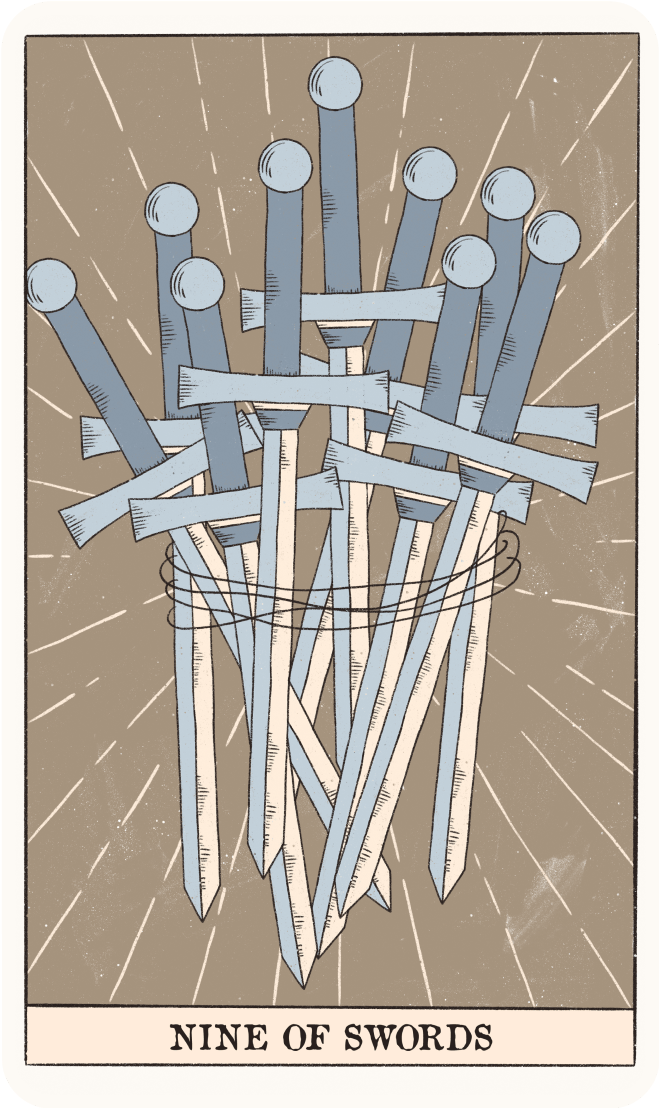
The Nine of Swords typically depicts a figure sitting up in bed, head in hands, surrounded by nine swords hanging on the wall behind them. The imagery is stark and unsettling—dark tones, a sense of isolation, and an unmistakable aura of distress. This card is not about external danger but rather the internal storm of thoughts and worries that keep you awake at night. It represents the moment when fear takes over, amplifying problems until they feel insurmountable.
When the Nine of Swords appears in a reading, it often reflects real or imagined anxieties. You might be ruminating over past mistakes, catastrophizing future scenarios, or feeling overwhelmed by responsibilities. The card doesn’t judge these feelings; instead, it acknowledges them as part of the human experience. However, it also serves as a wake-up call: your mind may be your own worst enemy when left unchecked. The key is recognizing that these fears are often exaggerated in the quiet of your thoughts, and the first step toward healing is separating reality from the stories you tell yourself.

Upright Nine of Swords: Facing Your Inner Demons
In its upright position, the Nine of Swords confirms that you’re grappling with anxiety, guilt, or self-doubt. This card doesn’t shy away from the intensity of these emotions—it validates them. If you’ve been losing sleep, feeling restless, or trapped in a cycle of negative thinking, the Nine of Swords mirrors that experience back to you. It’s a sign that your fears are real to you, even if they aren’t grounded in objective reality.
Yet, the card also carries a subtle promise: this state is temporary. The figure in the card is not in physical danger; they are in the grip of their own mind. This is a crucial distinction. The Nine of Swords urges you to confront what’s troubling you, not by suppressing it, but by examining it with honesty. Ask yourself: Are these worries based on facts, or are they projections of your insecurities? Journaling, meditation, or talking to a trusted friend can help ground you in the present moment. The card suggests that once you acknowledge your fears, they lose some of their power over you.
Additionally, the Nine of Swords can indicate a need for self-compassion. You may be holding yourself to impossible standards or replaying past regrets. This card encourages you to treat yourself with the same kindness you’d offer to a friend in a similar situation. Healing begins when you shift from self-criticism to self-awareness.
Reversed Nine of Swords: Breaking Free from the Cycle
When the Nine of Swords appears reversed, it signals a turning point—a release from the grip of anxiety. This card in reverse suggests that you’re starting to recognize the irrationality of your fears or are actively working to dismantle them. The reversed Nine of Swords is a beacon of hope, indicating that your perspective is shifting. You may be finding healthier ways to cope, whether through therapy, mindfulness, or simply giving yourself permission to let go of what no longer serves you.
This card reversed can also point to a need for action. If you’ve been stuck in a loop of overthinking, the reversed Nine of Swords urges you to break the pattern. It might be time to confront a situation you’ve been avoiding or to seek support from someone who can offer a fresh viewpoint. The reversed Nine of Swords doesn’t deny that challenges exist, but it reassures you that you have the strength to face them without being paralyzed by fear.
Another interpretation of the reversed card is that you’re becoming more resilient. The fears that once felt overwhelming are now manageable, and you’re reclaiming your mental space. This is a powerful stage of growth, where you move from victim of your thoughts to master of your mind. The reversed Nine of Swords invites you to celebrate these small victories and trust in your ability to navigate uncertainty.
Overcoming Fear: Practical Steps Inspired by the Nine of Swords
The Nine of Swords teaches that fear is often a distortion rather than a truth. To move beyond it, start by grounding yourself in reality. When anxiety strikes, pause and ask: “Is this fear based on evidence, or is it a story I’m telling myself?” Challenge catastrophic thoughts by considering alternative outcomes. For example, if you’re worried about a job interview, instead of imagining failure, visualize a positive conversation where you highlight your strengths.
Another effective strategy is to limit exposure to sources of stress. If social media or news cycles fuel your anxiety, set boundaries around your consumption. The Nine of Swords reminds you that your environment shapes your mental state—protect it wisely. Additionally, physical movement can be a powerful antidote to overthinking. Exercise, yoga, or even a short walk can disrupt the cycle of rumination and reconnect you with your body.
Seeking perspective is also key. Talk to someone whose judgment you trust—a mentor, therapist, or friend—and ask for their honest input. Often, an outside view can help you see that your fears are disproportionate. The Nine of Swords encourages you to lean on your support network, as healing is rarely a solo journey.
The Nine of Swords and Personal Growth: A Shift in Perception
At its core, the Nine of Swords is about the stories we tell ourselves. It highlights how our interpretations of events can either trap us in fear or empower us to grow. This card promises a shift in perspective—not by denying your emotions, but by reframing them. For instance, a setback that once felt devastating might later be seen as a necessary lesson. The Nine of Swords invites you to question the narratives that no longer serve you and to rewrite them with compassion and clarity.
This card also underscores the importance of self-awareness. By acknowledging your fears without letting them define you, you create space for resilience. The Nine of Swords teaches that growth often comes from discomfort, and that the darkest nights can lead to the brightest dawns. It’s a reminder that even in your lowest moments, you’re not alone—and that healing is always within reach.

Conclusion
The Nine of Swords is a card of contrasts—it shows the depth of human fear and the potential for transformation. Whether upright or reversed, it speaks to the power of perspective, urging you to confront your anxieties with honesty and courage. This card doesn’t promise an easy path, but it does promise a shift: a chance to see your fears not as insurmountable obstacles, but as opportunities for growth. By facing your inner demons with self-compassion and action, you reclaim your mental peace and step into a brighter, more balanced future. The Nine of Swords is a testament to the resilience of the human spirit—reminding you that even in the darkest moments, light is always within reach.
FAQ
What does the Nine of Swords tarot card represent?
The Nine of Swords typically represents anxiety, fear, and mental anguish, often related to overthinking or guilt.
What is the difference between the upright and reversed Nine of Swords?
Upright, the card signifies facing inner demons and anxiety, while reversed, it suggests healing, release from fear, and growing resilience.
How can I use the Nine of Swords to overcome fear?
By grounding yourself in reality, challenging catastrophic thoughts, seeking support, and practicing self-compassion inspired by the card's message.
Is the Nine of Swords associated with physical danger?
No, it symbolizes internal mental and emotional struggles rather than external physical threats.
Leave a Reply