Short Answer
The concept of the “Empress” archetype is deeply rooted in mythology, psychology, and cultural symbolism. Often associated with power, nurturing, and authority, the Empress can represent either a benevolent creator or an overbearing force that stifles growth. In this comprehensive guide, we’ll explore the duality of the Empress archetype, examining its various interpretations across different contexts. You’ll discover how this figure manifests in mythology, psychology, and modern media, and what it signifies in terms of personal and societal dynamics. By the end, you’ll have a nuanced understanding of whether the Empress is a nurturing force or a controlling presence.
The Empress in Mythology: A Symbol of Creation and Power
The Empress archetype finds its most vivid expression in mythology, where she often embodies both creation and control. In ancient cultures, goddesses like Isis in Egyptian mythology, Demeter in Greek lore, and the Hindu goddess Lakshmi represent the Empress as a life-giving force. These deities are revered for their ability to nurture, sustain life, and foster abundance. For example, Isis is celebrated for her role in resurrecting Osiris and protecting the living, while Demeter’s grief over her daughter Persephone’s abduction leads to the cycle of seasons—a metaphor for both creation and loss.
However, mythology also presents the Empress as a figure of restraint. In some traditions, she is a guardian of boundaries, ensuring that creation does not spiral into chaos. The Greek goddess Hera, often depicted as a jealous and controlling figure, exemplifies this darker side of the Empress. Her actions, driven by a desire to maintain order, can be seen as overbearing, reflecting the potential for the Empress to become a symbol of oppression rather than nurturing.

Psychological Perspectives: The Empress as Nurturer or Controller
In psychology, particularly in Jungian analysis, the Empress archetype is linked to the “Great Mother,” a concept that encompasses both nurturing and devouring aspects. Carl Jung described the Great Mother as a dual figure—she can be the provider of life, warmth, and security, but she can also be suffocating, demanding absolute loyalty and suppressing individuality. This duality is evident in how people perceive maternal figures, authority figures, or even societal structures that demand conformity.
For instance, a nurturing Empress might manifest as a mentor who encourages creativity and independence, fostering growth in others. Conversely, an overbearing Empress could appear as a micromanaging boss or an overly protective parent who stifles personal development. Understanding this archetype can help individuals recognize patterns in their relationships and societal roles, allowing them to navigate these dynamics more consciously.

Cultural Interpretations: The Empress in Art and Media
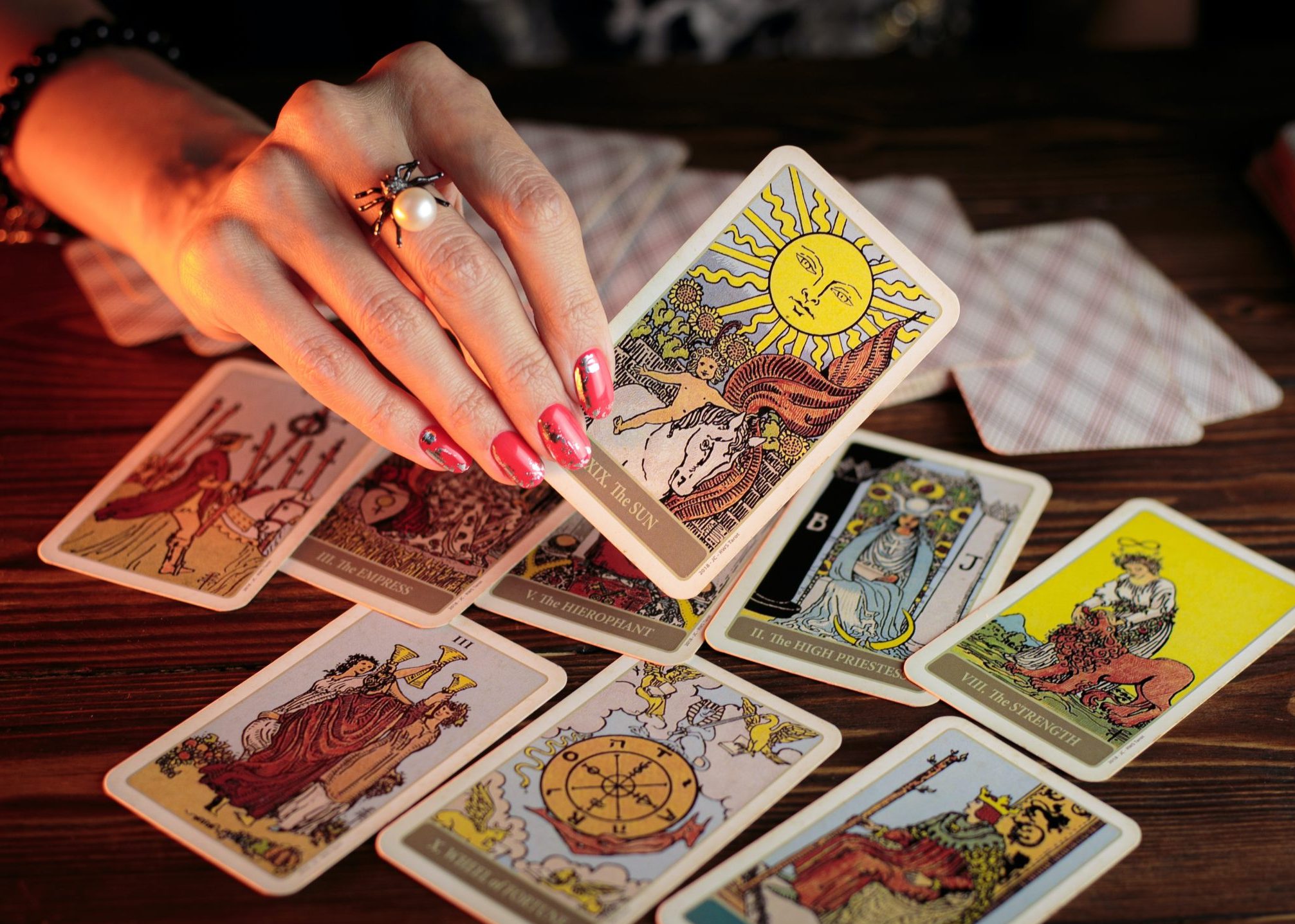
The Empress archetype is a recurring motif in art, literature, and popular culture, where she is often portrayed as a complex figure. In tarot, the Empress card symbolizes fertility, abundance, and intuition, but it can also represent indulgence and lack of boundaries. Similarly, in literature, characters like Queen Cersei Lannister from *Game of Thrones* embody the Empress’s darker traits—manipulative, power-hungry, and willing to sacrifice others for control. On the other hand, figures like Princess Leia in *Star Wars* or Galadriel in *The Lord of the Rings* represent the nurturing, protective side of the Empress, guiding others toward wisdom and strength.
Artistic representations of the Empress often emphasize her duality. Paintings and sculptures may depict her holding symbols of life, such as wheat or fruit, while also wielding tools of authority, like a scepter or crown. These visual cues highlight the balance between creation and control, inviting viewers to reflect on the nature of power and nurturing in their own lives.

Personal Growth: Recognizing the Empress in Your Life
Understanding the Empress archetype can be a powerful tool for personal growth. By recognizing whether the Empress in your life—or within yourself—is a nurturer or a controller, you can make more informed decisions about your relationships and boundaries. For example, if you find yourself in a situation where a mentor or authority figure is overly demanding, it may be helpful to reflect on whether their behavior aligns with the nurturing Empress or the overbearing one.
Journaling or meditation can be effective ways to explore this archetype. Ask yourself: Who in my life embodies the Empress? Do they inspire me or restrict me? How do I embody the Empress in my own actions? By answering these questions, you can gain clarity on how to cultivate healthier dynamics and set boundaries where necessary.
Societal Implications: The Empress as a Metaphor for Power Structures
Beyond the personal realm, the Empress archetype can be applied to societal structures and cultural narratives. Governments, corporations, and even social movements often exhibit Empress-like qualities—some provide stability and growth, while others impose rigid control. For instance, a welfare state that supports its citizens can be seen as a nurturing Empress, whereas an authoritarian regime that suppresses dissent reflects the overbearing side of the archetype.
Examining these structures through the lens of the Empress can help individuals critically assess the systems they interact with daily. It encourages a deeper understanding of how power is wielded and the impact it has on collective well-being. By fostering awareness, societies can strive to embody the positive aspects of the Empress while mitigating the harmful ones.
Conclusion
The Empress archetype is a multifaceted symbol that transcends cultures and disciplines. Whether she appears as a nurturing creator or an overbearing force, her duality offers valuable insights into the nature of power, authority, and care. By exploring her manifestations in mythology, psychology, art, and society, we gain a richer understanding of how this archetype shapes our lives and relationships. Recognizing the Empress in ourselves and others allows us to navigate these dynamics with greater awareness and intention, fostering environments that balance growth with freedom. Ultimately, the Empress reminds us that power and nurturing are not mutually exclusive—they are two sides of the same coin, each essential in its own way.
FAQ
What does the Empress card symbolize in tarot?
The Empress card symbolizes fertility, abundance, nurturing, creativity, and intuition, but can also indicate indulgence or lack of boundaries.
How is the Empress archetype viewed in psychology?
In psychology, especially Jungian analysis, the Empress represents the Great Mother archetype—both nurturing and potentially controlling or suffocating.
What are examples of the Empress archetype in mythology?
Mythological examples include Isis, Demeter, and Lakshmi as nurturing creators, and Hera as a more controlling, overbearing figure.
How can understanding the Empress archetype help in personal growth?
Recognizing Empress traits in oneself or others can help set healthier boundaries and foster growth by balancing nurturing support with autonomy.
What societal roles can the Empress archetype represent?
The Empress archetype can symbolize societal power structures that either nurture and support communities or impose rigid control and oppression.
Leave a Reply