Short Answer
Discover the fascinating world of 52 Cards Deck Reading—a unique and accessible way to explore tarot wisdom using a standard deck of playing cards. This guide will introduce you to the art of interpreting playing cards as tarot, revealing how their familiar symbols and numbers can unlock profound insights. Whether you’re a seasoned tarot enthusiast or a curious beginner, you’ll learn how to harness the power of a deck you already own to perform readings that are just as meaningful as traditional tarot spreads.
The Magic of Playing Cards as Tarot
At first glance, a deck of playing cards seems far removed from the mystical imagery of tarot. Yet, beneath their simple designs lie layers of symbolism that align surprisingly well with tarot archetypes. The four suits—hearts, diamonds, clubs, and spades—mirror the tarot’s four suits: Cups, Pentacles, Wands, and Swords, respectively. Even the court cards (Jack, Queen, King) can represent the tarot’s Page, Knight, Queen, and King figures. This connection transforms an everyday deck into a powerful divination tool, making tarot accessible to anyone without needing a specialized deck.
The beauty of using playing cards for tarot lies in their universality. Unlike tarot decks, which can feel intimidating to newcomers, a standard deck is familiar and non-intimidating. This makes it easier to focus on intuition rather than getting lost in complex imagery. The simplicity of the suits and numbers also allows for more straightforward interpretations, making it an excellent starting point for those new to divination.
Understanding the Suit Correspondences
To read playing cards as tarot, you must first understand the suit correspondences. Each suit carries its own energy and themes, much like tarot suits:
- Hearts (Cups) – Represent emotions, relationships, intuition, and the subconscious. They mirror the tarot’s Cups suit, which governs love, dreams, and personal connections.
- Diamonds (Pentacles) – Symbolize material wealth, career, health, and practical matters. This aligns with the tarot’s Pentacles suit, which focuses on abundance and the physical world.
- Clubs (Wands) – Reflect creativity, passion, ambition, and action. They correspond to the tarot’s Wands suit, which is all about inspiration and forward momentum.
- Spades (Swords) – Indicate intellect, conflict, decisions, and challenges. This matches the tarot’s Swords suit, which deals with thoughts, words, and mental clarity.
By recognizing these connections, you can begin to interpret the cards in a way that resonates with traditional tarot meanings. For example, the Ace of Hearts might signify new emotional beginnings, much like the Ace of Cups in tarot, while the King of Diamonds could represent a successful businessman or a mentor in financial matters.

Interpreting the Court Cards
The court cards in a playing deck—Jack, Queen, King, and sometimes the Joker—can be interpreted as the tarot’s court figures: Pages, Knights, Queens, and Kings. Each court card embodies a personality type or energy that can influence a reading:
- Jacks (Pages) – Represent students, messengers, or someone in the early stages of learning. In a reading, they might indicate a new opportunity or a message to pay attention to.
- Queens – Symbolize mature, nurturing, or intuitive energy. A Queen of Hearts could suggest a caring friend or a need to embrace self-love, while a Queen of Spades might indicate a sharp-witted woman or a situation requiring mental clarity.
- Kings – embody authority, leadership, and mastery. A King of Diamonds might represent a successful entrepreneur, while a King of Clubs could signify a charismatic leader or creative visionary.
- Joker (if included) – Often seen as a wildcard, representing chaos, transformation, or unexpected change. It can signify a major shift or a need to embrace the unknown.
The court cards add depth to your readings by introducing human elements—people, personalities, or energies that are influencing a situation. Pay attention to their positions in a spread to understand whether they represent someone in your life or aspects of yourself.
Simple Spreads for Playing Card Tarot
One of the greatest advantages of using playing cards for tarot is the ease of creating spreads. Here are a few simple yet effective layouts to get you started:
Single-Card Pull
A single-card draw is perfect for quick insights or daily guidance. Pull one card to represent the current energy surrounding a question or situation. For example, drawing the 7 of Clubs might suggest a period of growth or a need to take action in a creative project.
Three-Card Spread
This classic spread offers clarity on past, present, and future, or mind, body, and spirit. For instance:
- First Card (Past) – Represents the root of a situation.
- Second Card (Present) – Shows the current energy or challenge.
- Third Card (Future) – Hints at the potential outcome or lesson to learn.
Celtic Cross Adaptation
For a more advanced spread, adapt the Celtic Cross using 10 cards. Assign each position a meaning, such as:
- Card 1 – The central issue.
- Card 2 – The challenge or obstacle.
- Card 3 – The subconscious influences.
- Card 4 – The past influences.
- Card 5 – The conscious mind or immediate future.
- Card 6 – The near future.
- Card 7 – The querent’s fears or hopes.
- Card 8 – External influences.
- Card 9 – Guidance or advice.
- Card 10 – The final outcome.
This spread provides a comprehensive overview of a situation, helping you see the bigger picture.
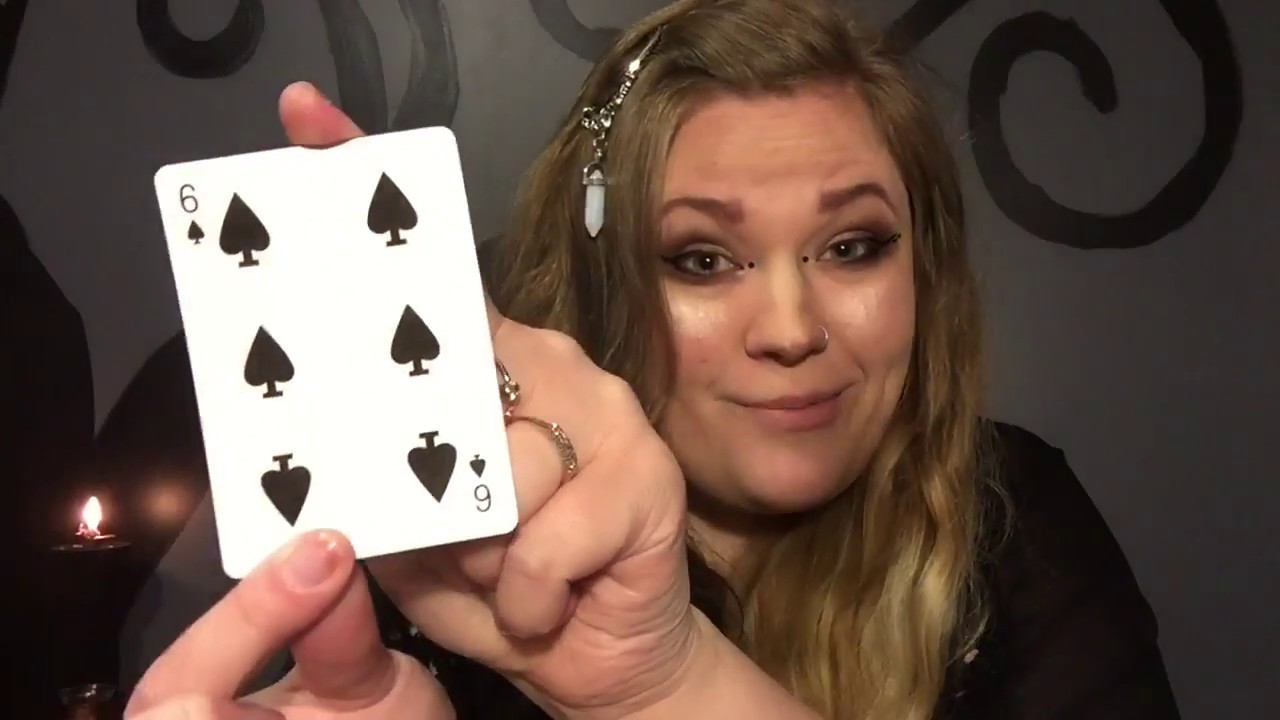
Enhancing Your Intuition with Playing Cards
While suit correspondences provide a foundation, the true magic of playing card tarot lies in your intuition. Unlike tarot decks with fixed imagery, playing cards rely more heavily on your personal associations and feelings. For example, the 8 of Diamonds might remind you of a recent financial opportunity, while the Queen of Spades could evoke the image of a strict teacher or a challenging decision.
To deepen your connection with the cards, try these exercises:
- Daily Draw – Pull one card each morning and reflect on how its energy might influence your day.
- Card Pairings – Draw two cards and explore their relationship. Do they complement each other, or do they clash? What story do they tell together?
- Journaling – Keep a record of your readings and note any patterns or recurring themes. Over time, you’ll develop a personal lexicon of meanings.
The more you work with the cards, the more attuned you’ll become to their subtle messages. Trust your gut—if a card feels significant, it probably is.
Common Misconceptions and Pitfalls
While playing card tarot is a powerful tool, it’s not without its challenges. One common misconception is that it’s “lesser” than traditional tarot because the imagery is simpler. In reality, the simplicity is part of its charm—it strips away distractions and forces you to rely on your intuition. Another pitfall is over-reliance on rigid correspondences. While suits and numbers provide a framework, don’t let them limit your interpretations. The cards are a mirror; they reflect your energy back to you.
Avoid the temptation to treat playing cards like tarot by forcing every card into a tarot equivalent. Instead, let the cards speak to you in their own language. For example, the 2 of Hearts might not neatly fit into the tarot’s Two of Cups, but it could represent a moment of connection or a choice between two emotional paths.
Conclusion
Playing card tarot is a gateway to the mystical world of divination, offering a blend of simplicity and depth that appeals to both beginners and experienced readers. By understanding the suit correspondences, interpreting court cards, and experimenting with spreads, you can unlock profound insights using a deck you already own. The key to mastery lies in intuition—trusting your gut, journaling your experiences, and allowing the cards to guide you.
Whether you’re seeking clarity on a personal dilemma, exploring your creativity, or simply curious about the magic of tarot, a standard deck of playing cards is all you need to begin your journey. Embrace the unexpected, and let the cards reveal their stories to you.
FAQ
Can I use a regular deck of playing cards for tarot readings?
Yes, a standard deck can be interpreted using tarot principles through suit correspondences and card meanings.
What are the basic suit correspondences between playing cards and tarot?
Hearts correspond to Cups, Diamonds to Pentacles, Clubs to Wands, and Spades to Swords.
How can I enhance my intuition when reading playing cards?
Engage in daily draws, explore card pairings, and maintain a journal of your readings.
Leave a Reply