Short Answer
Have you ever wondered if there’s a cosmic library where every thought, emotion, and event in your life is recorded? What if you could flip through its pages to uncover secrets about your past, present, and future? Welcome to the world of Akashic Records Tarot, a mystical tool that bridges the gap between ancient wisdom and modern divination. In this guide, you’ll discover how this powerful practice can reveal hidden truths, guide your decisions, and even challenge your perceptions of reality. Whether you’re a seasoned tarot reader or a curious beginner, prepare to unlock the mysteries that lie within your soul’s archives.
What Are the Akashic Records? A Cosmic Library of Your Soul
The Akashic Records are often described as an energetic archive—a vast, non-physical database that stores every experience, lesson, and soul contract across lifetimes. Rooted in Hindu and Theosophical traditions, the term “Akasha” comes from Sanskrit, meaning “ether” or “sky,” symbolizing the all-encompassing nature of this cosmic record. Think of it as the universe’s version of a personal diary, where nothing is ever erased. Every joy, heartbreak, triumph, and lesson you’ve ever had is inscribed here, waiting to be accessed.
But how does this relate to tarot? The Akashic Records Tarot acts as a bridge between the abstract energy of the Records and the tangible, symbolic language of tarot cards. By tapping into this energetic database, you can pull cards that resonate with your soul’s journey, offering clarity on past-life influences, current challenges, and future potentials. It’s like having a direct line to the universe’s most profound wisdom.

How Does Akashic Records Tarot Work? The Mechanics of Divine Insight
Akashic Records Tarot operates on the principle that your soul’s history is accessible through focused intention and the right tools. Unlike traditional tarot readings that rely solely on the reader’s intuition, this method incorporates the energetic imprint of your soul’s journey. Here’s how it works:
- Setting the Intention: Before pulling cards, you must clarify your question or focus. This could be about a past-life relationship, a recurring life pattern, or a future decision. The clearer your intention, the more precise the guidance.
- Connecting to the Akashic Records: This step involves a ritual—whether it’s meditation, prayer, or visualization—to open the energetic pathway to the Records. Some practitioners use sacred phrases like, “I ask to access the Akashic Records for [your name] with divine love and light.”
- Drawing the Cards: Once connected, you shuffle your tarot deck while focusing on your intention. The cards that emerge are not random; they are divinely guided messages from your soul’s archives.
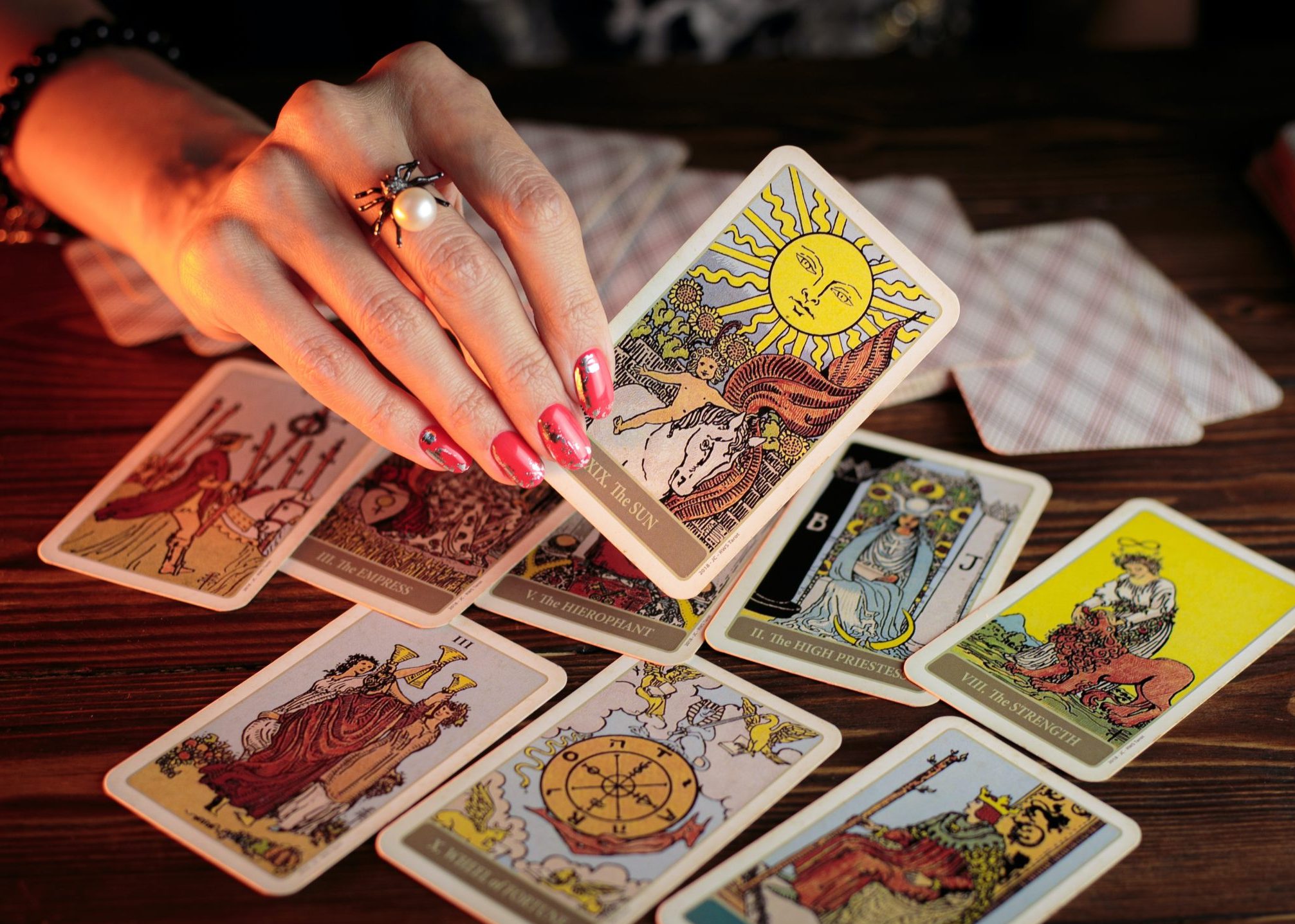
- Interpreting the Messages: Each card holds layers of meaning, from its traditional tarot symbolism to its unique resonance with your Akashic history. For example, The High Priestess might indicate hidden knowledge from a past life, while The Tower could signify a karmic upheaval you’re meant to release.

Unlocking Past Lives: What Your Soul Wants You to Remember
One of the most fascinating aspects of Akashic Records Tarot is its ability to reveal past-life influences. Have you ever felt an inexplicable connection to a certain time period, culture, or person? Your soul might be trying to communicate a lesson from a past life. Here’s how the tarot can help decode these messages:
- Recurring Themes: If you consistently pull cards like The Hermit, The Wheel of Fortune, or The Star, your soul may be highlighting a theme from a past life—such as solitude, cycles of fate, or hope after hardship.
- Symbolic Archetypes: Cards like The Empress or The Emperor might point to roles you played in past lives, such as a nurturing mother figure or a wise leader. These roles often carry over into your current life, influencing your relationships and career choices.
- Karmic Lessons: Cards like Ten of Swords or Three of Cups can indicate karmic debts or blessings. For instance, the Ten of Swords might suggest a past-life betrayal you’re now meant to heal, while the Three of Cups could reveal a soul group you’ve reunited with in this lifetime.
To deepen your understanding, try pulling a single card each day and journaling about how its energy resonates with your past. Over time, patterns will emerge, painting a vivid picture of your soul’s journey.
The Challenge: What If You Don’t Like What You Find?
While the Akashic Records offer profound insights, they can also bring to light uncomfortable truths. What if the cards reveal a past-life trauma you’ve suppressed? What if they show a future path that feels overwhelming or undesirable? This is where the real work begins. The Records don’t judge—they simply reflect. The challenge lies in how you choose to respond.
For example, pulling The Devil card might indicate a toxic past-life relationship or addiction that’s still affecting you. Instead of shying away, use this knowledge as a catalyst for healing. Ask yourself: What can I learn from this? How can I break this cycle in my current life? The Akashic Records Tarot isn’t just about seeing the past or future—it’s about empowering you to rewrite your story with awareness and intention.

Practical Tips for Your First Akashic Records Tarot Reading
Ready to dive in? Here’s a step-by-step guide to conducting your own Akashic Records Tarot reading:
- Create a Sacred Space: Choose a quiet, comfortable area free from distractions. Light candles, burn incense, or play soft music to set the mood.
- Ground and Center: Begin with deep breathing or a short meditation to calm your mind and connect with your higher self.
- Formulate Your Question: Be specific. Instead of asking, “What will happen in my future?” try, “What past-life lesson do I need to understand to heal my current relationship?”
- Open the Akashic Records: Use a sacred phrase like, “I ask to access the Akashic Records for [your name] with divine love and light. Only that which is for my highest good may come through.”
- Shuffle and Draw: Focus on your question as you shuffle the deck. Trust your intuition—when a card “sticks” or feels magnetically drawn to you, that’s your answer.
- Interpret with Compassion: Look at the card’s traditional meaning, but also tune into your gut reaction. Does it feel heavy? Liberating? Confusing? Your emotional response is part of the message.
- Close the Session: Thank the Akashic Records and your guides for their insights. Ground yourself by drinking water or eating a light snack.
Remember, the more you practice, the stronger your connection to the Records will become. Don’t be discouraged if your first few readings feel vague—trust is built over time.
Conclusion: Your Soul’s Story Awaits
The Akashic Records Tarot is more than a divination tool—it’s a gateway to self-discovery, healing, and empowerment. By tapping into this cosmic library, you gain access to the raw, unfiltered truth of your soul’s journey. Whether you’re uncovering past-life secrets, navigating current challenges, or peering into potential futures, the cards serve as a mirror to your deepest self.
But be warned: this practice isn’t for the faint of heart. The Records don’t sugarcoat the truth. They challenge you to confront your shadows, embrace your strengths, and rewrite your story with intention. So, are you ready to ask the universe your most playful—and potentially unsettling—question? The pages of your soul’s book are waiting to be opened.
FAQ
What are the Akashic Records?
The Akashic Records are a non-physical archive of every experience and lesson across lifetimes, often described as a cosmic library.
How does Akashic Records Tarot work?
It combines tarot reading with the intention to access the Akashic Records, providing insights about past lives and future potentials.
Can Akashic Records Tarot reveal past-life information?
Yes, it can uncover recurring themes and karmic lessons from past lives through tarot card interpretations.
Leave a Reply