Short Answer
Embark on a journey into the mystical world of the Arthur Waite Tarot, where each card holds profound wisdom and hidden secrets waiting to be uncovered. Whether you’re a seasoned tarot reader or a curious beginner, this guide will illuminate the deeper meanings behind the Rider-Waite-Smith deck—the most iconic and influential tarot deck in history. You’ll discover how these cards promise a shift in perspective, inviting you to see beyond the surface and embrace transformation. From the Fool’s leap of faith to the Tower’s sudden upheaval, each card carries a message designed to spark curiosity and guide you toward self-discovery. Prepare to explore the symbolism, interpretations, and practical applications of the Arthur Waite Tarot as we unravel its original secrets together.
The History and Legacy of the Rider-Waite-Smith Tarot
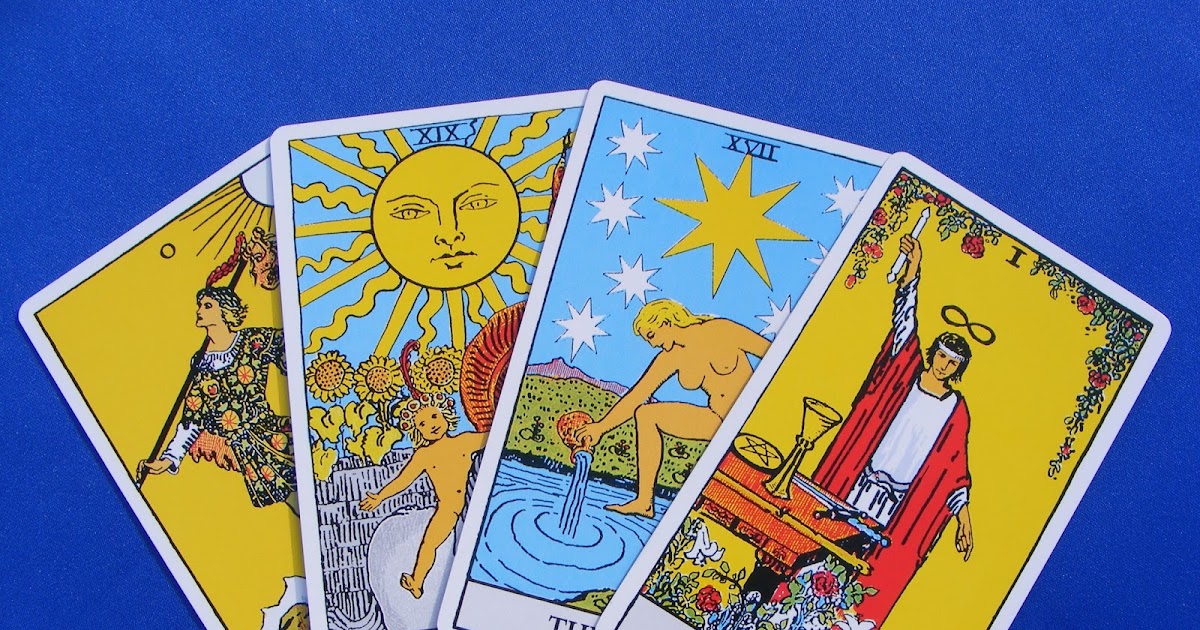
The Rider-Waite-Smith Tarot, first published in 1909, revolutionized the world of tarot by introducing fully illustrated cards—a departure from the traditional pip and court cards of earlier decks. Created by Arthur Edward Waite, a mystic and member of the Hermetic Order of the Golden Dawn, and artist Pamela Colman Smith, the deck’s vibrant imagery and rich symbolism drew from esoteric traditions, astrology, and Christian mysticism. Unlike previous decks, which relied on simple illustrations, the Rider-Waite-Smith deck presented scenes on every card, making it accessible to both beginners and advanced readers. This innovation allowed for deeper psychological and spiritual interpretations, bridging the gap between divination and personal growth. The deck’s enduring popularity lies in its ability to adapt to modern life while retaining its mystical roots, offering timeless insights into the human experience.

Understanding the Major Arcana: A Path of Transformation
The Major Arcana consists of 22 cards, each representing a significant life lesson or spiritual milestone. These cards often appear in readings to signal major shifts, challenges, or opportunities. For instance, The Fool embodies new beginnings, spontaneity, and the courage to take a leap of faith. In contrast, The Tower represents sudden upheaval, forcing us to confront uncomfortable truths and rebuild from the ground up. Each card in the Major Arcana follows a narrative arc, guiding the seeker through stages of innocence, struggle, enlightenment, and integration. By studying these cards, you’ll recognize patterns in your life and gain clarity on how to navigate pivotal moments. The Major Arcana is not just a tool for divination but a mirror reflecting your inner journey, promising a shift in perspective when interpreted with an open mind.
The Minor Arcana: Daily Life and Practical Wisdom
While the Major Arcana deals with grand themes, the Minor Arcana—comprising 56 cards divided into four suits (Wands, Cups, Swords, and Pentacles)—focuses on everyday experiences, emotions, and challenges. Each suit corresponds to an element and a facet of human life: Wands represent creativity and passion (Fire), Cups deal with emotions and relationships (Water), Swords explore intellect and conflict (Air), and Pentacles ground us in material reality (Earth). For example, the Three of Cups celebrates joyful connections and community, while the Five of Swords warns against unnecessary conflict or betrayal. The Minor Arcana teaches that even in mundane situations, there is wisdom to be found. By interpreting these cards in the context of your daily life, you’ll uncover hidden opportunities for growth and change, proving that tarot is a tool for both the extraordinary and the ordinary.

Symbolism and Color in the Rider-Waite-Smith Deck
The Rider-Waite-Smith deck is renowned for its intricate symbolism, which invites deeper contemplation. Pamela Colman Smith’s artwork is rich with allegorical details—from the roses and lilies in The Magician’s hands (symbolizing balance) to the yin-yang motif in The Temperance card (representing harmony). Colors also play a crucial role: red often signifies passion or danger, while blue conveys calmness or spirituality. The use of light and shadow further enhances the cards’ emotional resonance. For instance, The High Priestess is bathed in moonlight, suggesting intuition and mystery, while The Chariot’s bold red and blue hues symbolize determination and control. Understanding these elements allows you to decode the cards’ messages on a subconscious level, making your readings more intuitive and insightful. The deck’s symbolism is a language unto itself, speaking directly to the psyche and promising a shift in perspective when its secrets are unlocked.
How to Use the Arthur Waite Tarot for Personal Growth
The Rider-Waite-Smith Tarot is more than a divination tool—it’s a guide for self-reflection and transformation. To harness its power, start by forming a personal connection with the deck. Spend time shuffling the cards and observing which ones draw your attention, as these may hold messages relevant to your current state of mind. Journaling your interpretations can deepen your understanding, as can meditating on a single card each day. For example, pulling The Star might remind you to trust in the universe’s timing, while The Hermit could signal a need for introspection. Spreads like the Celtic Cross or a simple three-card layout (past, present, future) can provide clarity on specific questions. The key is to approach the cards with curiosity and an open heart, allowing their wisdom to guide you toward greater self-awareness and intentional living.
Common Misconceptions and How to Avoid Them
One of the most pervasive myths about tarot is that it predicts the future with absolute certainty. In reality, the Rider-Waite-Smith Tarot is a tool for exploring possibilities, not foretelling fixed outcomes. Another misconception is that the cards are inherently “good” or “bad”—in truth, every card carries both light and shadow aspects. For instance, Death isn’t a literal demise but a symbol of transformation and rebirth. To avoid these pitfalls, focus on the card’s underlying message rather than its surface-level imagery. Additionally, don’t rely solely on guidebooks; trust your intuition to interpret the cards in a way that resonates with your personal journey. The more you engage with the deck, the more you’ll realize that its “secrets” are not fixed rules but invitations to explore your own psyche.
Conclusion
The Arthur Waite Tarot is a gateway to deeper self-knowledge, offering a blend of ancient wisdom and modern relevance. Whether you’re seeking guidance, clarity, or simply a fresh perspective, this deck promises to illuminate your path with its rich symbolism and profound insights. By understanding the history, symbolism, and practical applications of the Rider-Waite-Smith Tarot, you’ll unlock its original secrets and harness its power for personal growth. Remember, the cards are not a crutch but a mirror—reflecting your innermost thoughts, fears, and aspirations. As you continue to explore this timeless tool, you’ll find that its true magic lies not in predicting the future but in empowering you to shape it with intention and wisdom. Let the journey begin.
FAQ
What is the Arthur Waite Tarot?
The Arthur Waite Tarot, also known as the Rider-Waite-Smith deck, is a tarot deck created in 1909, recognized for its detailed imagery and rich symbolism.
How can the Arthur Waite Tarot be used for personal growth?
The tarot can serve as a tool for self-reflection and transformation, helping users gain insights into their lives and navigate challenges.
Leave a Reply