Short Answer
Curious about the Death card in tarot? Many people associate it with fear, loss, or even physical death—but what if it actually represents something far more positive? In this guide, you’ll uncover the surprising truth behind the Death card’s uplifting meanings. You’ll learn how this powerful card symbolizes transformation, renewal, and new beginnings rather than destruction. Whether you’re a beginner or an experienced tarot reader, this article will help you see the Death card in a whole new light.
Understanding the Death Card: Beyond the Fear
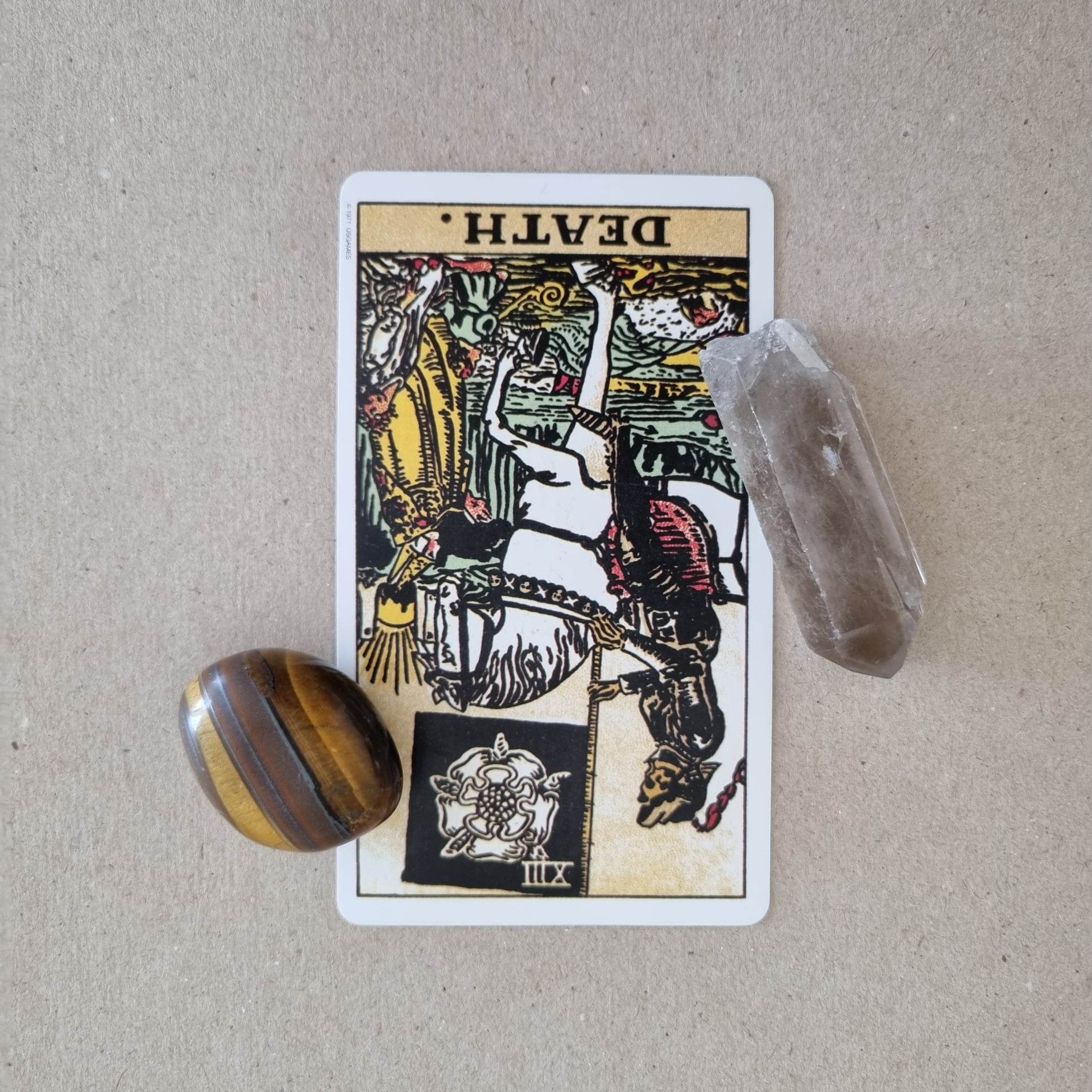
The Death card in tarot is often one of the most misunderstood cards in the deck. Its ominous imagery—a skeletal figure on horseback, often holding a black flag—can evoke images of mortality and endings. However, in tarot symbolism, Death rarely represents literal death. Instead, it signifies the end of one phase of life to make way for another. This card is about transformation, release, and rebirth. Think of it as the phoenix rising from the ashes—necessary destruction paves the way for something greater.
When the Death card appears in a reading, it’s a sign that significant change is on the horizon. This change could be personal, such as a shift in career, relationship, or mindset, or it could be societal, like the end of an outdated tradition. The key takeaway is that the Death card is not a warning of doom but an invitation to embrace growth and evolution.
Positive Meanings of the Death Card in Different Contexts
The Death card’s message varies depending on its position in a spread and the surrounding cards. Here’s how it can manifest positively in different areas of life:
Career and Professional Growth
In career readings, the Death card signals the end of a stagnant job, toxic work environment, or unfulfilling career path. It encourages you to let go of what no longer serves you and step into a role that aligns with your true passions. For example, if you’ve been feeling uninspired at work, the Death card might be urging you to pursue further education, switch industries, or start your own business. It’s a call to reinvent yourself professionally and embrace opportunities that bring fulfillment.

Relationships and Personal Growth
In matters of the heart, the Death card can indicate the end of an unhealthy relationship or a toxic dynamic. This might feel painful at first, but it’s ultimately liberating. The card suggests that you’re being guided toward healthier connections—ones that nurture your growth rather than drain your energy. It could also represent a personal transformation, such as overcoming past traumas or letting go of old patterns that no longer serve you. The Death card reminds you that closure is necessary for new love to enter your life.
Spiritual and Emotional Renewal
On a spiritual level, the Death card is a powerful symbol of rebirth. It may appear when you’re on the verge of a spiritual awakening or when you’re being called to release old beliefs that no longer resonate with you. This card encourages you to shed your past limitations and step into a higher version of yourself. It’s common for people to experience vivid dreams, synchronicities, or a deep sense of inner clarity when this card appears. The Death card is a sign that you’re evolving spiritually and emotionally.
How to Interpret the Death Card in a Reading
To fully grasp the Death card’s positive message, consider its context in the spread. Here are some tips for interpreting it accurately:
Upright Death Card
When the Death card appears upright, it’s a clear indication of transformation and change. It’s time to release what’s holding you back and embrace the unknown. This could mean ending a bad habit, leaving a dead-end job, or letting go of a grudge. The upright Death card is a sign that you’re being supported by the universe to make these changes, even if they feel scary at first.
Reversed Death Card
If the Death card appears reversed, it suggests resistance to change. You might be clinging to the past out of fear or stubbornness, even when it’s no longer serving you. This could manifest as procrastination, denial, or an unwillingness to let go of old patterns. The reversed Death card is a gentle nudge to confront your fears and take the necessary steps toward growth. It’s a reminder that holding on too tightly can prevent you from experiencing the positive transformations life has to offer.
Common Misconceptions About the Death Card
Despite its positive meanings, the Death card is often shrouded in misconceptions. Here are a few myths debunked:
Myth 1: The Death Card Always Means Physical Death
This is perhaps the most pervasive myth. In reality, the Death card almost never signifies physical death in a tarot reading. It’s far more likely to represent emotional, spiritual, or metaphorical endings. Tarot readers emphasize that the card is about metaphorical death—the death of old habits, outdated beliefs, or stagnant situations.
Myth 2: The Death Card is Always Negative
While the Death card can feel intimidating, its core message is one of hope and renewal. It’s a card of necessary endings that lead to new beginnings. Viewing it as purely negative overlooks its transformative power. Instead, see it as a catalyst for positive change.
Myth 3: The Death Card Predicts Doom
Tarot cards are not set in stone—they offer guidance and insight, not fixed predictions. The Death card is a call to action, urging you to take control of your life and make proactive changes. It’s not a prediction of doom but an invitation to grow.
Practical Steps to Embrace the Death Card’s Energy
If the Death card has appeared in your reading, here are some practical steps to harness its positive energy:
1. Acknowledge What Needs to Change
Take time to reflect on areas of your life that feel stagnant or unfulfilling. Write down what no longer serves you—whether it’s a job, a relationship, or a mindset. Recognizing these areas is the first step toward transformation.
2. Let Go of the Past
Holding onto past regrets, grudges, or fears can block your growth. Practice forgiveness—both for others and yourself. Rituals like burning old letters, meditating, or journaling can help you release what’s holding you back.
3. Embrace New Beginnings
The Death card is a sign that new opportunities are on the horizon. Stay open to change and trust that the universe is guiding you toward something better. Whether it’s a new job, a creative project, or a personal goal, take the first step toward your dreams.
4. Seek Support When Needed
Change can be overwhelming, so don’t hesitate to reach out to friends, mentors, or professionals for guidance. Therapy, coaching, or even talking to a trusted friend can provide clarity and encouragement as you navigate your transformation.
Conclusion
The Death card in tarot is far from the ominous symbol many believe it to be. Instead, it’s a powerful card of transformation, renewal, and new beginnings. Whether it appears in a career reading, a relationship spread, or a spiritual context, its message is clear: endings are necessary for growth. By embracing the Death card’s energy, you can let go of what no longer serves you and step confidently into a brighter future. So the next time this card appears in your reading, remember—it’s not a warning of doom, but an invitation to rise, renewed and reborn.
FAQ
What does the Death card mean in tarot?
The Death card symbolizes transformation and renewal, often indicating the end of one phase of life to make way for another.
Is the Death card always negative?
No, the Death card is often misunderstood; its core message is one of hope and positive change.
How should I interpret the Death card in a reading?
Consider its position in the spread and the surrounding cards, as it can indicate transformation, release, or resistance to change.
Leave a Reply