Short Answer
Welcome to your ultimate guide to the first nine cards of the Minor Arcana in tarot! Whether you’re a curious beginner or a seasoned reader looking to deepen your understanding, this guide will walk you through the Ace through 9 of each suit—Swords, Cups, Wands, and Pentacles. You’ll discover the core meanings, symbolic imagery, and practical insights each card offers. By the end, you’ll feel empowered to interpret these cards in readings and even pose playful challenges to yourself along the way. Ready to shuffle your way through the deck? Let’s begin.
The Ace of Swords: Clarity and New Beginnings
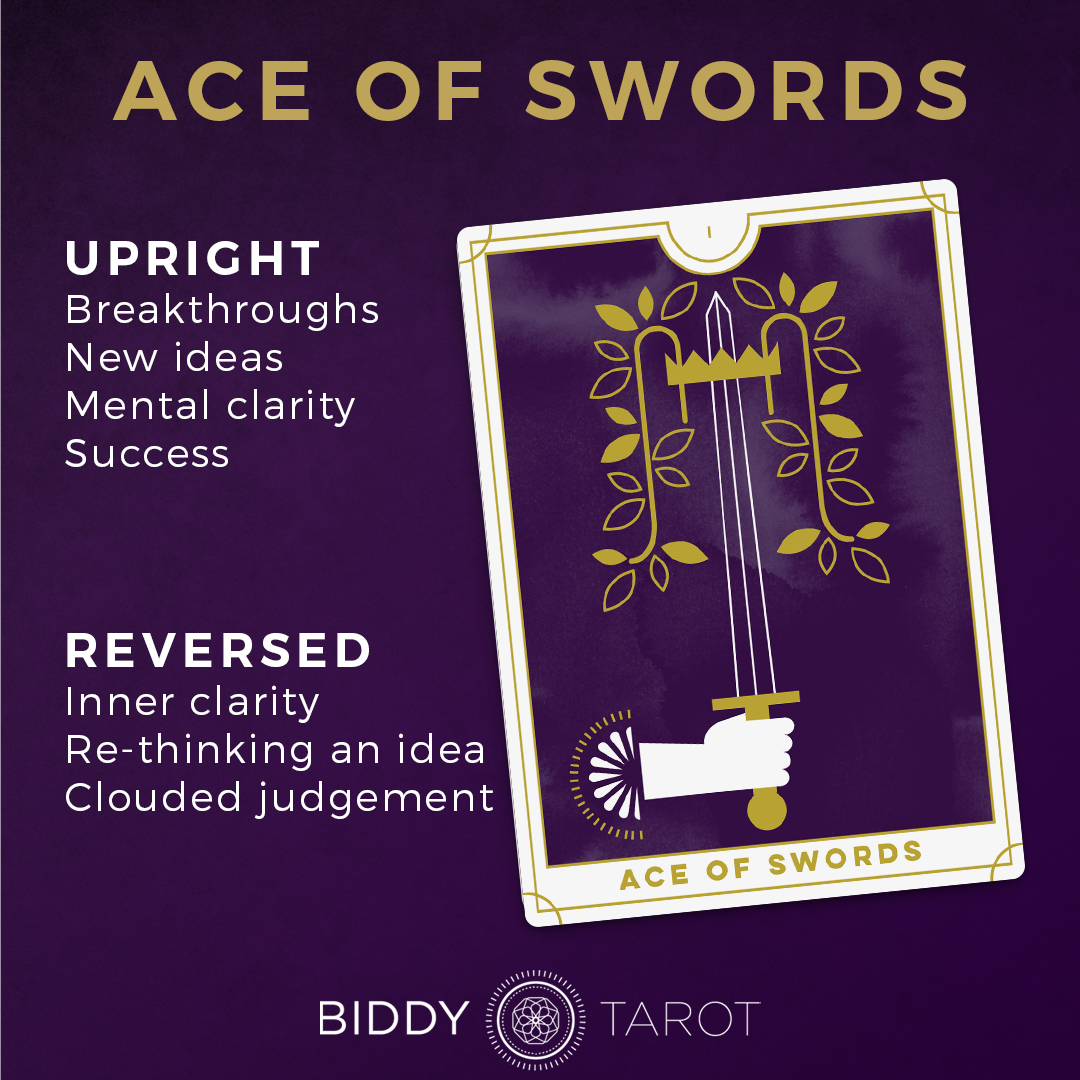
The Ace of Swords is a card of piercing clarity and raw potential. Depicted as a single, gleaming sword rising from a cloud, it symbolizes the birth of a new idea, a breakthrough, or a moment of mental awakening. This card often appears when you’re called to cut through confusion, make a decisive choice, or embrace a fresh perspective. The sword’s double-edged nature reminds us that clarity can be both empowering and challenging—it demands honesty and courage.
In readings, the Ace of Swords can signal the start of a project, a legal matter, or a truth that needs to be spoken. It encourages you to trust your intellect and intuition. Ask yourself: What truth am I being called to see right now? This card invites you to wield your mental and spiritual tools with precision.
The Two of Swords: Stuck in the Middle
Imagine standing at a crossroads, blindfolded, holding two swords crossed over your chest. That’s the Two of Swords—a card of indecision, stalemate, and the need for careful evaluation. It often appears when you’re avoiding a tough choice or feeling paralyzed by conflicting options. The blindfold suggests that you might be ignoring your intuition or avoiding an uncomfortable truth.
This card doesn’t necessarily mean you’re doomed to indecision forever. Instead, it’s a call to pause and weigh your options objectively. Try journaling pros and cons or seeking advice from a trusted source. Ask: What am I afraid to see if I remove the blindfold? The Two of Swords challenges you to face your fears and make a move—even if it’s just a small one.

The Three of Swords: Heartbreak and Healing
The Three of Swords is often depicted as a heart pierced by three swords, set against a stormy sky. It’s a card of sorrow, betrayal, or emotional pain—but also of release and eventual healing. This card doesn’t shy away from the hard truths of life; it acknowledges that pain is a part of the journey. However, it also hints at the possibility of renewal after the storm passes.
When this card appears, it may signal a period of grief, a difficult breakup, or a betrayal. It’s important to allow yourself to feel these emotions fully rather than suppressing them. Ask: What lesson is this pain teaching me? The Three of Swords reminds you that healing is possible, even if the path isn’t easy.
The Four of Swords: Rest and Reflection
Picture a knight lying in a peaceful chapel, swords resting beside him, bathed in soft light. The Four of Swords is a card of rest, recovery, and introspection. It appears when you need to step back from the chaos of life to recharge your energy. This card isn’t about laziness; it’s about strategic pause and mental reset.
If you’ve been pushing yourself too hard, the Four of Swords is a gentle nudge to prioritize self-care. It might also indicate a need for meditation, therapy, or simply a quiet weekend. Ask: What part of me needs healing right now? This card reassures you that rest is not a luxury—it’s a necessity.
The Five of Swords: Conflict and Consequences
The Five of Swords shows a figure standing victorious over two defeated opponents, holding three swords while the other two lie discarded on the ground. This card is about conflict, competition, and the aftermath of a battle—whether literal or emotional. It often appears when you’ve won an argument or achieved a goal, but at a cost to relationships or your own integrity.
While the Five of Swords can indicate triumph, it also carries a warning: victory without empathy is hollow. Ask yourself: Did I win at the expense of someone else’s feelings? This card challenges you to consider the long-term impact of your actions and to seek resolutions that honor everyone involved.
The Six of Swords: Transition and Moving On
Imagine a small boat carrying a group of people across a calm river, leaving turbulent waters behind. The Six of Swords symbolizes transition, healing, and moving forward after a difficult period. It suggests that you’re leaving behind old burdens and embarking on a journey toward calmer shores. This card often appears during times of change, such as moving, changing jobs, or ending a relationship.
The Six of Swords encourages you to trust the process, even if the destination isn’t clear yet. Ask: What am I ready to leave behind? This card reassures you that growth often requires leaving familiar but stagnant waters behind.
The Seven of Swords: Strategy and Deception
The Seven of Swords depicts a figure sneaking away with five swords, leaving two behind. It’s a card of cunning, strategy, and sometimes, deception. This card can indicate that you’re being clever and resourceful, but it can also suggest dishonesty—either your own or someone else’s. It’s a reminder to stay ethical and transparent in your dealings.
If this card appears in a reading, ask: Am I being honest with myself and others? The Seven of Swords challenges you to balance cleverness with integrity. It’s a call to think outside the box, but not at the expense of your values.
The Eight of Swords: Feeling Trapped
The Eight of Swords shows a blindfolded figure surrounded by eight swords, seemingly trapped with no way out. This card often reflects feelings of being stuck, overwhelmed, or limited by your own perceptions. The blindfold suggests that your limitations might be self-imposed rather than real. It’s a reminder that you have more power than you think.
When this card appears, ask: What beliefs are holding me back? The Eight of Swords encourages you to remove the blindfold and see the situation from a new angle. It’s a call to break free from mental constraints and reclaim your agency.
The Nine of Swords: Anxiety and Overthinking
The Nine of Swords depicts a person sitting up in bed, head in hands, surrounded by nine swords hanging on the wall. It’s a card of anxiety, worry, and sleepless nights. This card often appears when you’re overanalyzing a situation or imagining worst-case scenarios. The swords on the wall symbolize the thoughts that haunt you at night.
If the Nine of Swords shows up in a reading, it’s a sign to address your fears rather than suppress them. Ask: What am I really afraid of? This card encourages you to face your anxieties head-on and seek support if needed. Remember, the darkest night eventually gives way to dawn.
Conclusion
From the Ace of Swords’ bold clarity to the Nine of Swords’ haunting worries, the first nine cards of the Minor Arcana offer a rich tapestry of human experience. Each card reflects a different facet of life—clarity, indecision, conflict, rest, transition, strategy, feeling trapped, and anxiety. By understanding these meanings, you gain a deeper connection to the tarot and to yourself.
Use this guide as a starting point, but don’t be afraid to explore your own interpretations. The tarot is a mirror—it reflects not just universal truths, but your unique journey. So, the next time you draw a card from Ace to 9, ask yourself: What is this card teaching me right now? The answers might surprise you.
FAQ
What does the Ace of Swords represent?
The Ace of Swords represents clarity, new beginnings, and the birth of a new idea or breakthrough.
How do I interpret the Two of Swords?
The Two of Swords signifies indecision and the need for careful evaluation of conflicting options.
What is the meaning of the Nine of Swords?
The Nine of Swords indicates anxiety, worry, and the tendency to overthink, often leading to sleepless nights.
Leave a Reply