Short Answer
In this guide, you’ll explore the concept of “Crossing Cards” in tarot—a powerful theme that often appears when a significant obstacle or challenge is on the horizon. Whether you’re a seasoned reader or a curious beginner, understanding these cards can provide clarity and guidance when facing life’s most difficult transitions. You’ll learn how to identify Crossing Cards in a spread, interpret their deeper meanings, and apply their wisdom to your personal journey. By the end, you’ll see why these cards hold such fascination and how they can serve as a compass during uncertain times.
What Are Crossing Cards in Tarot?
Crossing Cards in tarot refer to cards that appear in a spread and represent obstacles, challenges, or barriers that must be overcome. These cards often signal a turning point where the querent (the person seeking insight) must confront a difficult situation before moving forward. Unlike cards that simply indicate delays, Crossing Cards highlight the necessity of facing these hurdles—sometimes as tests of character, other times as unavoidable life events.
The term “crossing” can be literal or metaphorical. Literally, it may refer to crossing a threshold, a river, or a bridge, symbolizing a transition. Metaphorically, it represents the crossing of paths with an obstacle, whether internal (fear, doubt) or external (a person, circumstance). These cards force the querent to pause, reflect, and often make a conscious effort to navigate the challenge rather than avoid it.
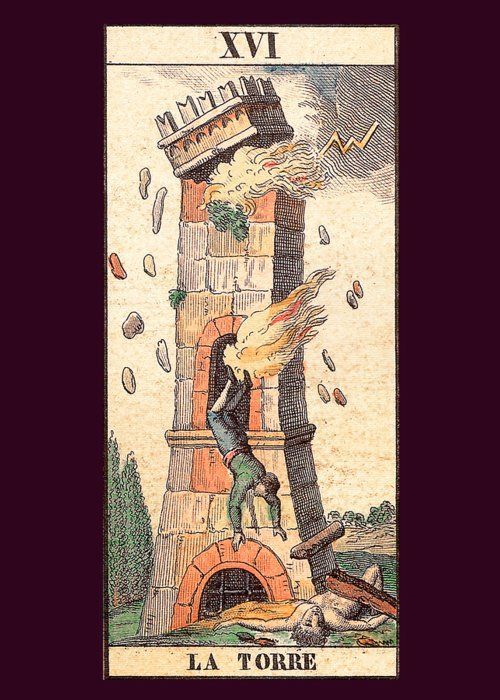
For example, the Five of Swords in a spread might indicate a crossing where conflict or competition is unavoidable, while the Tower suggests a sudden, disruptive event that shatters old structures. Both cards demand attention and action, making them quintessential Crossing Cards.
How to Identify Crossing Cards in a Spread
Not every card in a spread is a Crossing Card, but certain patterns and positions can help you spot them. Here’s how to recognize them:
- Position Matters: In a Celtic Cross spread, Crossing Cards often appear in positions like “the obstacle” (position 2) or “the challenge” (position 6). Even if they’re not in these positions, their energy will dominate the reading.
- Card Imagery: Look for cards with swords (conflict), towers (sudden upheaval), or cups (emotional turmoil). The imagery alone can signal a crossing.
- Reversed Cards: While reversed cards can indicate blockages, some reversed Crossing Cards (like the reversed Six of Cups) might suggest unresolved past issues resurfacing as obstacles.
- Dominant Themes: If multiple cards in a spread revolve around themes of struggle, resistance, or transition, you’re likely dealing with Crossing Cards.
For instance, if the Eight of Wands (fast-moving energy) is crossed by the Three of Swords (heartbreak), the latter may act as a Crossing Card, forcing the querent to slow down and process emotional pain before progress can resume.
The Psychology Behind Crossing Cards
Why do Crossing Cards captivate tarot readers and querents alike? Part of their fascination lies in their psychological depth. These cards often reflect the human tendency to resist change, even when it’s necessary for growth. Crossing Cards force us to confront our fears, biases, or past mistakes, which can be unsettling but ultimately liberating.
From a Jungian perspective, Crossing Cards represent the shadow self—the parts of ourselves we’d rather ignore. The obstacle they present isn’t just external; it’s a mirror. For example, the Hermit as a Crossing Card might indicate a need for solitude to reflect, while the Devil could symbolize toxic attachments holding you back. Recognizing these patterns allows for deeper self-awareness and transformation.
Additionally, Crossing Cards tap into the universal fear of the unknown. Humans are wired to seek stability, so when a card like the Moon (illusion) or the Ten of Swords (rock bottom) appears, it triggers anxiety. Yet, these cards also offer a path forward—if you’re willing to cross the threshold they represent.
Common Crossing Cards and Their Meanings
While any card can act as a Crossing Card depending on context, some tarot cards frequently embody this role. Here’s a breakdown of the most common ones and what they might signify:
The Tower (Major Arcana)
The Tower is the quintessential Crossing Card—a sudden, often traumatic event that destroys illusions and forces a reckoning. It doesn’t just indicate an obstacle; it is the obstacle, demanding you rebuild from the ground up. The lesson here is that resistance is futile; surrender to the change is the only way forward.
Five of Swords (Minor Arcana)
This card represents conflict, competition, or a “win at all costs” mentality. As a Crossing Card, it suggests that you’re in a situation where you must choose between asserting yourself (and potentially hurting others) or walking away. The deeper message is about integrity—can you cross this challenge without compromising your values?
Three of Cups (Reversed)
Upright, the Three of Cups celebrates joy and community, but reversed, it can signal overindulgence, gossip, or broken relationships. As a Crossing Card, it may point to a social obstacle—perhaps a betrayal or a need to distance yourself from toxic connections. The crossing here is emotional: do you confront the issue or retreat?
Seven of Swords
This card often represents deception, strategy, or avoidance. As a Crossing Card, it warns that your current path involves dishonesty—either with others or yourself. The crossing is about honesty: will you face the truth, or will you keep sneaking around the obstacle?
How to Work with Crossing Cards
Once you’ve identified a Crossing Card in a reading, the next step is to work with it rather than against it. Here’s how:
- Accept the Obstacle: Resisting a Crossing Card only amplifies its power. Acknowledge that this challenge is part of your journey, not an enemy.
- Ask for Clarity: Pull a clarifying card to understand the root of the obstacle. For example, if the Crossing Card is the Eight of Pentacles (overwork), the clarifier might reveal perfectionism or a lack of boundaries.
- Take Small Steps: Crossing Cards often require incremental progress. Break the obstacle into manageable parts (e.g., the Ten of Wands reversed could mean delegating tasks).
- Seek Support: Some Crossing Cards, like the Nine of Swords (anxiety), benefit from external help—whether therapy, a mentor, or a trusted friend.
- Reframe the Challenge: Instead of seeing the Crossing Card as a roadblock, view it as a rite of passage. The Five of Cups, for example, teaches that loss is part of growth.
Crossing Cards in Different Life Areas
Crossing Cards manifest differently depending on the area of life they affect. Here’s how they might show up in key domains:
Career
In career readings, Crossing Cards like the King of Swords (rigid authority) or the Page of Wands reversed (lack of inspiration) can signal professional roadblocks. The crossing might involve a difficult boss, a stalled project, or a crisis of purpose. The solution often lies in asserting boundaries (King of Swords) or reigniting passion (Page of Wands upright).
Relationships
For love readings, Crossing Cards such as the Two of Swords (indecision) or the Eight of Cups (walking away) highlight relational obstacles. The crossing could be a need for honest communication, a breakup, or a commitment dilemma. The key is to ask: Is this obstacle temporary, or is it a sign to move on?
Personal Growth
In self-reflection, Crossing Cards like the Chariot reversed (lack of direction) or the Strength card (inner turmoil) point to internal barriers. The crossing here is about self-mastery—learning to tame fears, procrastination, or self-doubt. The Hanged Man as a Crossing Card, for instance, suggests that surrendering control is the path forward.
Myths and Misconceptions About Crossing Cards
Despite their prevalence, Crossing Cards are often misunderstood. Here are some common myths debunked:
- Myth: Crossing Cards Always Mean Bad News. While they indicate challenges, Crossing Cards also bring opportunities for growth. The Star as a Crossing Card might signal a crisis of faith, but it also paves the way for hope.
- Myth: You Must Face the Obstacle Alone. Many Crossing Cards, like the Three of Pentacles, emphasize collaboration. The obstacle might require teamwork or mentorship.
- Myth: Crossing Cards Are Permanent. They’re temporary by nature. Even the Death card (transformation) signals an end that leads to renewal.
- Myth: Reversed Crossing Cards Are Less Severe. A reversed Crossing Card (e.g., the Tower reversed) might indicate delayed change, but the underlying issue still needs addressing.
Conclusion
Crossing Cards in tarot are more than just obstacles—they’re invitations to evolve. Whether they appear as sudden upheavals like the Tower or slow-burning struggles like the Five of Swords, their purpose is to guide you through life’s necessary crossings. By learning to identify, interpret, and work with these cards, you transform challenges into stepping stones rather than stumbling blocks.
The next time a Crossing Card appears in your spread, pause and ask: What is this obstacle teaching me? How can I cross it with wisdom and grace? The answer may be the key to unlocking your next phase of growth.
FAQ
What are Crossing Cards in Tarot?
Crossing Cards refer to those that represent obstacles or challenges in a tarot reading, often requiring the querent to confront difficult situations.
How can I identify Crossing Cards in a spread?
Look for cards in specific positions like ‘the obstacle’ or ‘the challenge’ and note imagery related to conflict or upheaval.
Leave a Reply