Short Answer
Embark on a journey into the enigmatic world of Dark Tarot Meanings, where shadow cards reveal truths often concealed beneath the surface. This guide explores the hidden symbolism, psychological depth, and cultural significance of tarot’s most mysterious figures. From the brooding presence of the Tower to the enigmatic whispers of the Moon, you’ll uncover the layers of meaning that make these cards both unsettling and profoundly insightful. Whether you’re a seasoned reader or a curious seeker, prepare to see the tarot in a new light—where every shadow holds a story waiting to be told.
The Allure of Shadow Cards: Why Dark Tarot Captivates the Imagination
Dark tarot cards are more than mere symbols; they are mirrors reflecting the hidden corners of the human psyche. Unlike their lighter counterparts, shadow cards—such as Death, the Devil, and the Tower—thrive in ambiguity, inviting interpretation beyond the literal. Their appeal lies in their ability to challenge perceptions, forcing us to confront fears, desires, and truths we might otherwise avoid. These cards act as psychological triggers, sparking introspection and dialogue about the darker aspects of existence. The raw emotion they evoke makes them unforgettable, turning a simple reading into a transformative experience. In a world that often prioritizes positivity, shadow cards offer a necessary balance, reminding us that growth often emerges from darkness.
Decoding the Tower: The Unraveling of False Realities
The Tower is perhaps the most feared card in the tarot deck, symbolizing sudden upheaval, destruction, and revelation. Its imagery—a crumbling tower struck by lightning, figures plummeting from its heights—evokes a sense of chaos and inevitability. Yet, this destruction is not without purpose. The Tower represents the collapse of illusions, the shattering of false realities we’ve built to shield ourselves from truth. It forces us to confront the foundations of our beliefs and question what we’ve taken for granted. In readings, the Tower often signals a wake-up call, a moment where the universe strips away the superficial to reveal what truly matters. Its lesson is clear: sometimes, destruction is the first step toward renewal.
The Devil’s Bargain: Temptation and the Chains We Forge
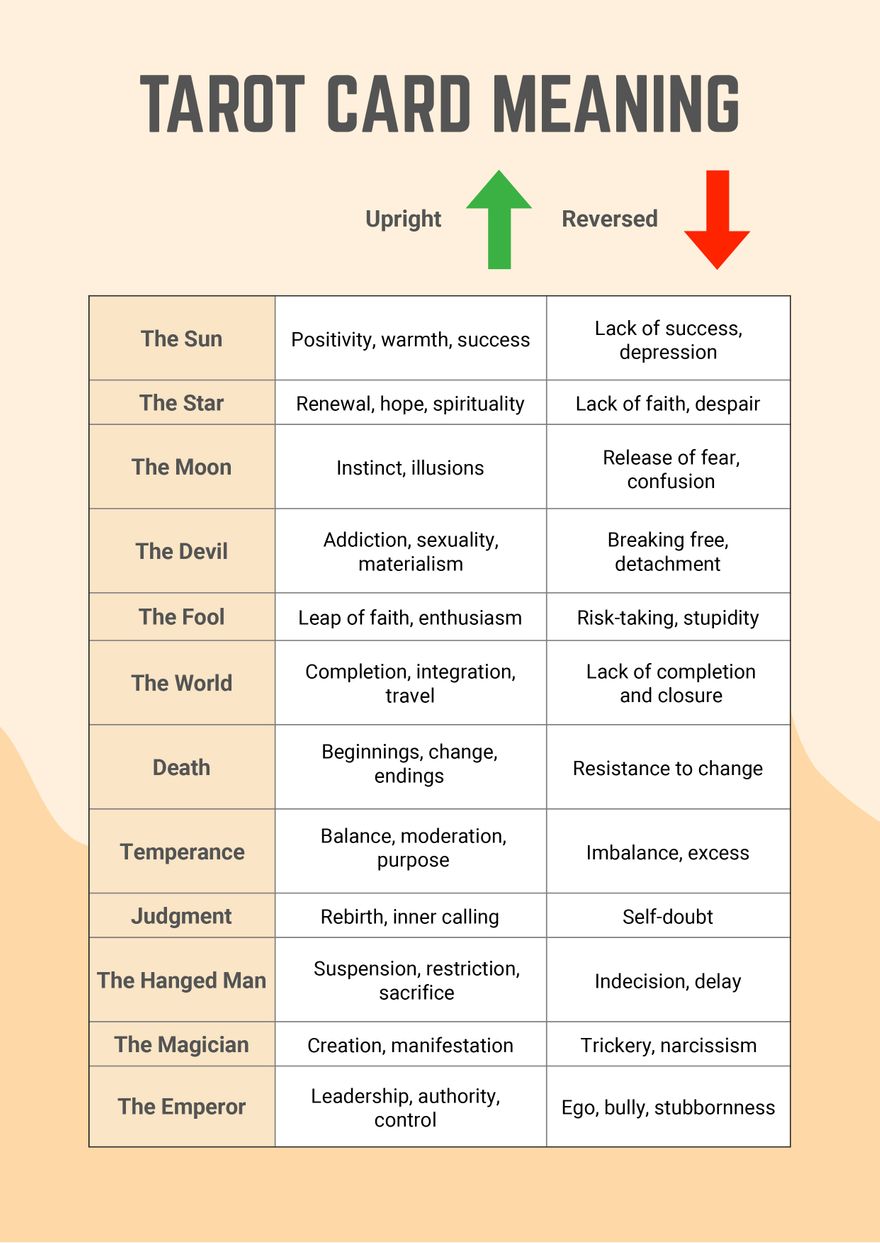
The Devil card is a study in duality, embodying both temptation and the bonds we create through our own choices. With its grotesque imagery of a horned figure looming over chained figures, it speaks to the allure of vice, addiction, and unhealthy attachments. Yet, the chains in the card are loose, suggesting that liberation is possible if we choose to break free. The Devil asks us to examine the habits, relationships, or beliefs that ensnare us, often under the guise of comfort or control. It’s a card of self-awareness, urging us to recognize when we’re trading freedom for security. In a reading, the Devil may highlight areas where we’re sabotaging ourselves—or where we’re being manipulated by external forces.

The Moon’s Illusions: Navigating the Fog of Uncertainty
The Moon card is a masterclass in ambiguity, its shifting light casting shadows that distort reality. With its eerie imagery—a wolf and a dog howling at a towering moon, a crayfish emerging from a pool—it embodies the unknown, the subconscious, and the fears that lurk in the dark. The Moon doesn’t provide answers; it asks questions, forcing us to confront our deepest insecurities and intuitions. It’s a card of deception, not in the sense of malice, but in the way our minds project fears onto the unfamiliar. In readings, the Moon often signals a time of confusion or intuition, reminding us that not all truths are immediately visible. Its lesson is one of patience: sometimes, the path forward requires us to trust the unseen.
Death and Rebirth: The Inevitable Cycle of Transformation
Despite its ominous name, the Death card is one of the most misunderstood in the tarot. Far from predicting literal demise, it symbolizes transformation, endings, and the natural cycles of life. Its skeletal figure, often riding a white horse, carries a black banner adorned with a white rose—a stark contrast of life and death. This card marks the close of one chapter and the beginning of another, whether in relationships, careers, or personal growth. It’s a reminder that change, though often painful, is essential for evolution. The Death card teaches us to embrace endings as opportunities, to release what no longer serves us, and to welcome the unknown with open arms.
The Hidden Truth Behind Shadow Cards: A Cultural and Psychological Perspective
Shadow cards resonate deeply across cultures and historical periods because they tap into universal human experiences: fear, desire, and the struggle for self-knowledge. Psychologically, these cards align with Carl Jung’s concept of the “shadow self”—the repressed, unconscious aspects of our personality that influence our behavior. In folklore and mythology, figures like the Devil or Death often serve as moral warnings or initiatory trials, guiding individuals through life’s darker passages. Even in modern media, shadow cards appear as metaphors for societal anxieties, from dystopian collapse (the Tower) to the seductive allure of power (the Devil). Their enduring appeal lies in their ability to articulate what words often cannot: the unspoken, the feared, and the transformative.
Conclusion
Dark tarot meanings are not for the faint of heart. They demand courage, introspection, and a willingness to confront the unknown. Yet, in doing so, they offer a path to deeper understanding—of ourselves and the world around us. The Tower’s destruction, the Devil’s chains, the Moon’s illusions, and Death’s rebirth are not just cards; they are gateways to truths we might otherwise ignore. By embracing these shadowy figures, we unlock the potential for growth, healing, and profound self-awareness. Whether used in readings or personal reflection, dark tarot cards remind us that light cannot exist without darkness—and that within every shadow lies the seed of transformation.
FAQ
What are dark tarot cards?
Dark tarot cards, often referred to as shadow cards, represent the more challenging and complex aspects of human experience, including fear, transformation, and introspection.
How do shadow cards influence tarot readings?
Shadow cards encourage readers to confront hidden truths and challenge perceptions, often leading to deeper introspection and personal growth.
What does the Death card symbolize in tarot?
The Death card symbolizes transformation and the ending of one phase, making way for new beginnings rather than literal death.
Leave a Reply