Short Answer
Welcome to your comprehensive guide on VII Website Wellbeing & Wheel of Fortune. In this article, you’ll explore the concept of wellbeing through interactive tools, practical templates, and engaging visuals designed to enhance your understanding of personal and financial wellness. You’ll learn how to assess your current state of wellbeing, identify areas for improvement, and implement actionable strategies to achieve balance in your life. Whether you’re looking to refine your financial habits, boost your mental health, or simply gain insights into your overall wellbeing, this guide provides the resources and knowledge to help you succeed.
Understanding the Wheel of Wellbeing
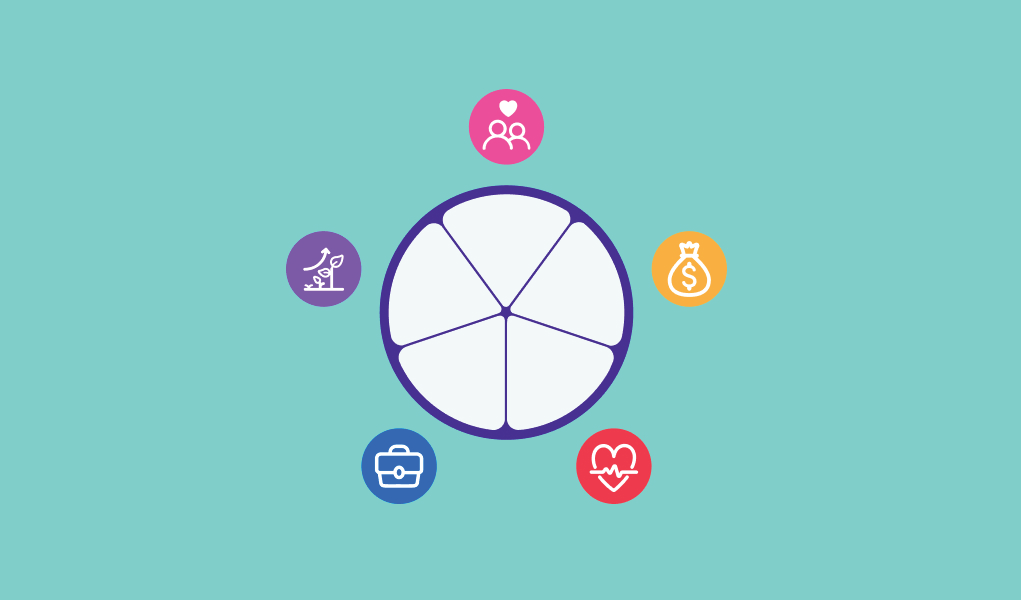
The Wheel of Wellbeing is a visual tool designed to help individuals assess and improve various aspects of their lives. It typically consists of several segments, each representing a different area of wellbeing such as physical health, emotional balance, financial stability, social connections, and personal growth. By evaluating each segment, you can identify strengths and weaknesses, allowing you to focus on areas that need attention. This holistic approach ensures that no aspect of your wellbeing is overlooked, promoting a balanced and fulfilling life.
In the context of financial wellbeing, the Wheel of Wellbeing can be particularly useful. It helps you visualize your financial health by breaking it down into manageable components like savings, debt management, and income stability. Tools like the ones provided in this guide offer templates and interactive elements to make this assessment more engaging and effective. For example, the “Wheel of Wellbeing Template and Guide” available online provides a structured way to evaluate your financial situation and track your progress over time.
Exploring Financial Wellbeing Tools
Financial wellbeing is a critical component of overall health, and tools like the “Your financial wellbeing toolkit” from Keystart are designed to simplify this process. These tools often include calculators, budgeting templates, and educational resources to help you manage your finances more effectively. For instance, you might find tools that allow you to input your income and expenses, generating a clear picture of your financial health. This data can then be used to create a personalized plan for saving, investing, or reducing debt.
Another valuable resource is the “Wheel of Wellbeing Think of a flat tyre” analogy. This metaphor highlights how neglecting one area of your life can negatively impact others, much like a flat tyre on a car. By addressing financial challenges proactively, you can prevent them from affecting other aspects of your wellbeing. This approach encourages a proactive mindset, where you regularly review and adjust your financial strategies to maintain stability and growth.
Practical Templates for Self-Assessment
Templates are an essential part of the Wheel of Wellbeing framework, providing a structured way to evaluate your progress. The “Wheel of Wellbeing Template and Guide” is a prime example, offering a downloadable or printable tool that you can use to assess your wellbeing across multiple dimensions. These templates often include scoring systems or visual indicators to help you quickly identify areas that require attention. For example, you might rate your financial health on a scale of 1 to 10, then use the template to set goals and track improvements over time.
Using these templates can also enhance your accountability. By regularly updating your wellbeing assessments, you create a habit of self-reflection and continuous improvement. This practice not only helps you stay on track but also provides a sense of accomplishment as you see tangible progress in your wellbeing journey. Whether you’re focusing on financial health, emotional balance, or physical wellness, these templates serve as a roadmap to guide your efforts.
Interactive Elements and Visual Learning
Interactive elements, such as online calculators and visual aids, can make the process of assessing your wellbeing more engaging and accessible. For example, the Wheel of Wellbeing graphic from Keystart uses vibrant colors and clear segments to represent different areas of wellbeing. This visual approach helps you quickly grasp the concept and identify which areas need improvement. Interactive tools often allow you to input your own data, generating personalized results that reflect your unique situation.
The “Wheel of Wellbeing Think of a flat tyre” image further emphasizes the interconnectedness of different wellbeing aspects. This visual metaphor reinforces the idea that neglecting one area can have a ripple effect on others. By using these interactive and visual tools, you can gain a deeper understanding of your wellbeing and make more informed decisions about where to focus your efforts. These resources are particularly useful for those who prefer hands-on learning and visual representation over traditional text-based assessments.
Implementing Wellbeing Strategies
Once you’ve assessed your wellbeing using the provided tools and templates, the next step is to implement strategies to improve your financial and personal health. Start by setting clear, achievable goals for each area of your wellbeing. For example, if your financial assessment reveals a need for better savings habits, create a budget that prioritizes saving a portion of your income each month. Similarly, if emotional balance is an area of concern, consider incorporating mindfulness practices or seeking support from a professional.
It’s also important to regularly review and adjust your strategies. Life is dynamic, and your wellbeing needs may change over time. By revisiting your assessments and templates periodically, you can ensure that your efforts remain aligned with your current goals and circumstances. This iterative process not only helps you stay on track but also fosters a sense of resilience and adaptability in the face of challenges.
Conclusion
The Wheel of Wellbeing and related tools offer a powerful framework for assessing and improving your overall health and financial stability. By leveraging templates, interactive elements, and visual aids, you can gain a comprehensive understanding of your wellbeing and take proactive steps to enhance it. Whether you’re focusing on financial health, emotional balance, or personal growth, these resources provide the guidance and structure needed to achieve your goals. Start your wellbeing journey today by exploring the tools and strategies outlined in this guide, and take control of your path to a healthier, more balanced life.
FAQ
What tools are available for financial wellbeing?
Tools for financial wellbeing include calculators, budgeting templates, and educational resources that help you manage finances effectively.
Why is the Wheel of Wellbeing important?
The Wheel of Wellbeing provides a holistic approach to assess and improve multiple facets of wellbeing, ensuring balanced personal growth.
Leave a Reply