Short Answer
The Death card in the Tarot is one of the most misunderstood and feared cards in the deck. Often associated with literal death, its true meaning is far more nuanced—it represents transformation, endings, and rebirth. In this guide, we’ll explore the Death card in both its upright and reversed positions, uncovering how its meaning shifts dramatically depending on its orientation. By the end, you’ll see why this card is not a harbinger of doom but a powerful symbol of renewal and evolution.
The Death Card: A Metaphor for Transformation
The Death card, numbered XIII in the Major Arcana, is a striking image of a skeletal figure riding a white horse, often carrying a black flag adorned with a white rose. This imagery is rich with symbolism. The skeletal figure represents the inevitability of change, while the white horse signifies purity and the unstoppable force of transformation. The black flag with a white rose suggests that even in endings, there is beauty and hope.
At its core, the Death card is about transformation. It signals the end of one phase of life to make way for another. This could manifest as the end of a relationship, a career shift, or a personal awakening. The card encourages us to embrace change rather than resist it, reminding us that every ending is a precursor to a new beginning. It’s not about physical death but about shedding old identities, habits, or beliefs that no longer serve us.
Imagine a forest in autumn: the leaves fall, the trees stand bare, and the ground is covered in decay. Yet, this decay nourishes the soil, allowing new life to emerge in the spring. The Death card operates on this same principle—it’s the necessary precursor to growth.
Death Upright: The Phoenix Rising
When the Death card appears upright in a reading, it is a call to embrace change with courage and openness. This is not a time for fear but for trust in the natural cycles of life. The upright Death card often indicates:
- Major Life Transitions: A job loss, relocation, or the end of a significant relationship may be on the horizon. While these changes can feel daunting, they are essential for your growth.
- Personal Reinvention: You may be shedding an old version of yourself—perhaps a limiting belief, a toxic habit, or an outdated goal. This card encourages you to release what no longer aligns with your true self.
- Spiritual Awakening: The Death card can signal a deep spiritual shift, where you let go of old dogmas or reconnect with your higher purpose. It’s a time to explore new philosophies or practices that resonate with your evolving soul.
- Opportunities in Disguise: Endings create space for new beginnings. If you’ve been holding onto something that’s no longer serving you, this card reassures you that better things are waiting on the other side.
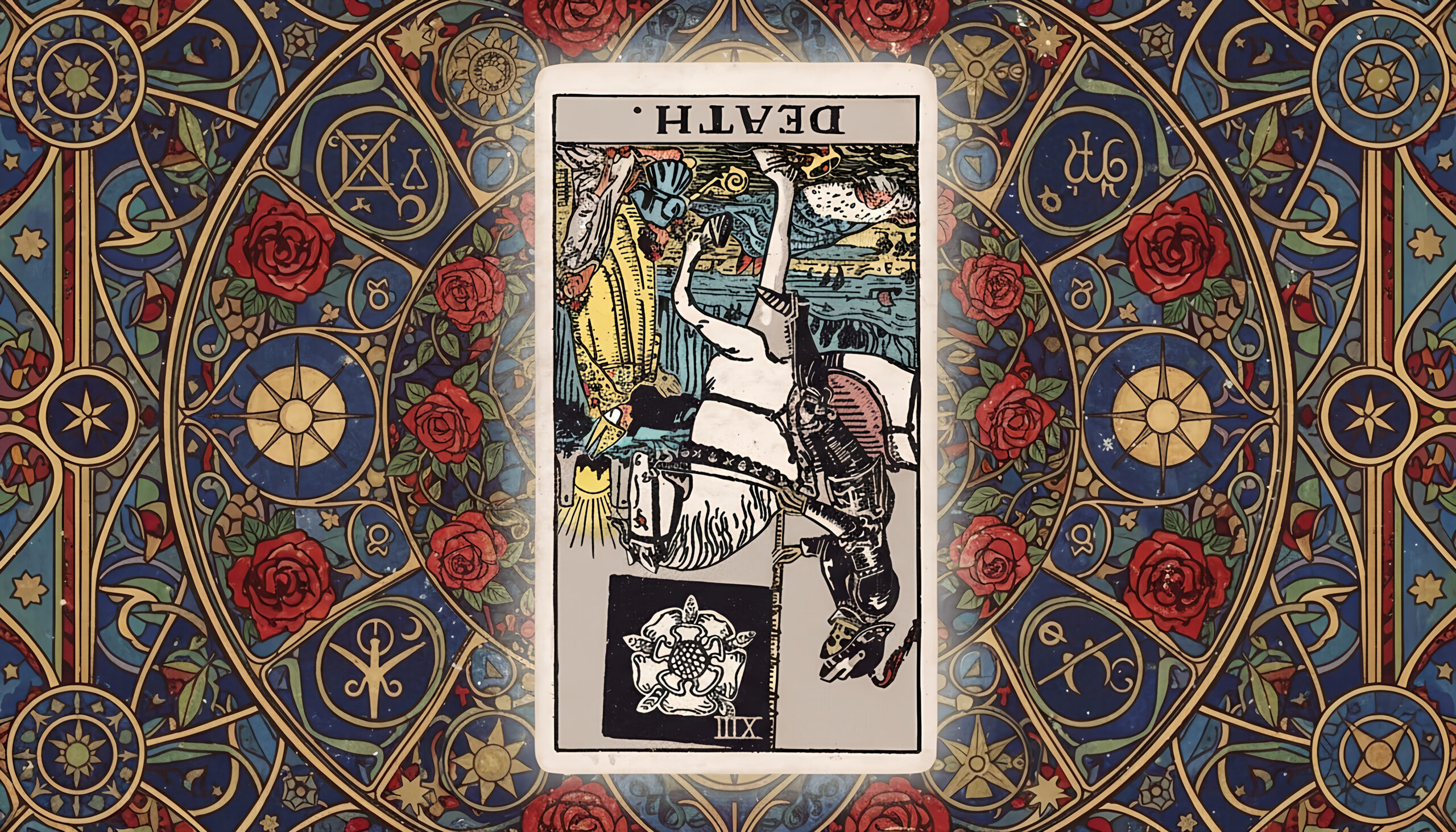
In relationships, the upright Death card might indicate the end of a partnership that has run its course. While this can be painful, it’s necessary for both parties to grow. In career readings, it could suggest leaving a job that stifles your potential or embracing a radical career change. The key takeaway? Resistance is futile—change is inevitable, and surrendering to it leads to renewal.
Death Reversed: The Clinging to the Past
When the Death card appears reversed, its message takes a darker turn. Instead of embracing transformation, you may be resisting it, clinging to the familiar even when it’s no longer healthy or fulfilling. The reversed Death card often highlights:
- Fear of Change: You might be avoiding necessary endings out of fear, denial, or attachment to comfort. This could manifest as staying in a dead-end job, tolerating toxic relationships, or refusing to let go of past grievances.
- Stagnation: Life feels stuck, and you’re going through the motions without growth. The reversed Death card warns that prolonged resistance to change will only lead to more pain in the long run.
- Unfinished Business: There may be unresolved emotions or situations that need closure. Ignoring them will only prolong the suffering.
- Self-Sabotage: You might be holding onto old patterns that no longer serve you, whether it’s self-destructive behaviors, limiting beliefs, or toxic relationships.
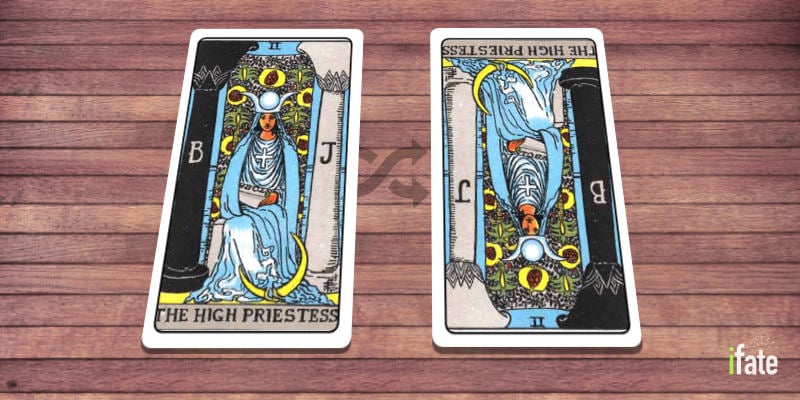
In a reversed position, the Death card can also indicate a false transformation—where change is superficial or forced, rather than organic. For example, you might quit a job impulsively without a plan, or end a relationship in anger without processing the emotions behind it. This card urges you to reflect on whether your actions are truly liberating or just another form of avoidance.
The reversed Death card is a wake-up call. It asks you to confront the areas of your life where you’re resisting growth and to ask yourself: What am I afraid to let go of, and why?
Practical Guidance: Navigating Death’s Message
Whether the Death card appears upright or reversed, its message is clear: transformation is non-negotiable. Here’s how to work with its energy in your life:
For the Upright Death Card:
- Embrace the Unknown: Trust that the changes ahead are for your highest good, even if they feel scary. Journal about what you’re releasing and what you hope to invite into your life.
- Create Rituals for Closure: Write a letter to what you’re leaving behind, burn it (safely), and visualize releasing it into the universe. This can be a powerful way to honor the past while making space for the future.
- Stay Open to New Beginnings: The Death card doesn’t just bring endings—it brings rebirth. Stay curious about what’s next, even if it’s unclear right now.
For the Reversed Death Card:
- Identify Your Resistance: Ask yourself where you’re clinging to the past. Is it fear of failure, loss of control, or attachment to familiarity? Acknowledge these feelings without judgment.
- Take Small Steps: If the idea of big changes feels overwhelming, start with small acts of release. Declutter your space, end a minor but draining habit, or have an honest conversation with someone you’ve been avoiding.
- Seek Support: Therapy, meditation, or even a heartfelt conversation with a trusted friend can help you process the emotions tied to change. You don’t have to go through this alone.
Conclusion
The Death card is a paradox—a symbol of both destruction and creation, endings and beginnings. Its upright position is a gentle (or not-so-gentle) nudge toward growth, while its reversed position exposes the dangers of stagnation. Whether you’re facing a major life shift or resisting one, the Death card reminds you that change is the only constant in life—and resisting it only prolongs the inevitable.
So the next time you draw the Death card, don’t recoil in fear. Instead, ask yourself: What is this ending trying to teach me? What new chapter is waiting to unfold? The answer may surprise you. After all, every phoenix must burn before it can rise.
FAQ
What does the Death card symbolize in Tarot?
The Death card symbolizes transformation, endings, and rebirth rather than literal death.
How should one interpret the Death card when it appears upright?
When upright, the Death card encourages embracing change and signals major life transitions or personal reinvention.
What does it mean when the Death card is reversed?
When reversed, it suggests resistance to change, fear of the unknown, and stagnation.
Leave a Reply