Short Answer
In this comprehensive guide, you’ll explore the meaning of the Devil tarot card in modern contexts, its symbolism, interpretations in love, career, and spirituality, and how it reflects current societal influences. Whether you’re a tarot enthusiast or a curious beginner, this article will provide clear insights into what the Devil card signifies today, helping you understand its relevance in your life and decisions.
The Devil Tarot Card: An Overview
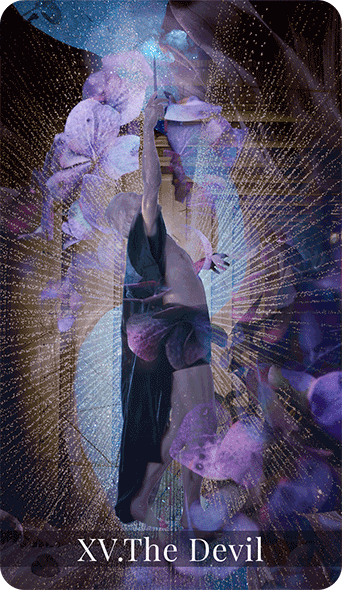
The Devil tarot card, numbered XV in the Major Arcana, is often one of the most misunderstood cards in the deck. Traditionally, it represents bondage, materialism, and unhealthy attachments. However, in contemporary interpretations, the Devil card is not just about evil or temptation—it’s about recognizing the chains we create for ourselves through fear, addiction, or societal pressures. The imagery typically features a horned figure with bat-like wings, often depicted with two chained figures at its feet, symbolizing the illusion of control and the traps we set for ourselves.
In modern tarot readings, the Devil card serves as a mirror, reflecting the aspects of life where we feel trapped or controlled. It may indicate toxic relationships, self-destructive habits, or an over-reliance on external validation. The card challenges you to examine what truly binds you and whether those chains are serving you or holding you back. By understanding its message, you can begin to break free from what no longer serves your highest good.
Symbolism of the Devil Card in the Present Day
The Devil card’s symbolism is rich and layered, with each element offering a clue to its modern meaning. The horned figure, often associated with Baphomet or traditional depictions of the devil, represents the shadow self—the parts of us we suppress or deny. The chains, though broken in some interpretations, symbolize the illusions we cling to, believing they are necessary for our survival or happiness. The inverted pentagram on the figure’s forehead can signify materialism or a distorted spiritual path.
In today’s context, the Devil card’s symbolism extends to societal issues like consumerism, social media addiction, and the pressure to conform to unrealistic standards. It asks you to question what external forces are dictating your choices and whether those influences are aligned with your true desires. For example, the card might highlight an unhealthy attachment to a job that drains you or a relationship that feels more like a prison than a partnership. Recognizing these patterns is the first step toward reclaiming your autonomy.
Devil Card in Love and Relationships
When the Devil card appears in a love reading, it often signals a relationship that feels suffocating or codependent. This could manifest as a toxic partnership where one or both parties feel trapped, unable to leave despite the unhappiness. The card may also indicate an unhealthy attachment to a person, idea, or lifestyle that no longer serves your growth. It’s a call to examine whether the relationship is built on love or fear—are you staying out of genuine connection or because you’re afraid of being alone?
In some cases, the Devil card can represent an addiction to drama or chaos in relationships, where the thrill of the dysfunction becomes more appealing than stability. It might also point to a situation where one partner is controlling or manipulative, using guilt or fear to maintain power. If you’re single, the card could suggest that you’re holding onto past hurts or idealizing potential partners to the point of ignoring red flags. The key takeaway is to ask yourself: Am I choosing love, or am I choosing the illusion of love?
Career and Financial Implications of the Devil Card
In career readings, the Devil card can be a warning against staying in a job that drains your spirit or compromises your values. It might highlight a situation where you feel stuck due to financial fears, societal expectations, or a lack of confidence in your abilities. For example, you might be tolerating a toxic work environment because you believe you have no other options, or you could be chasing a high-paying job that leaves you emotionally empty. The card urges you to break free from these self-imposed limitations and seek work that aligns with your purpose.
Financially, the Devil card may indicate impulsive spending, gambling, or an unhealthy attachment to material possessions. It could also reflect a cycle of debt or financial dependence on others, where the fear of scarcity keeps you trapped in a cycle of poor decisions. The card encourages you to examine your relationship with money and whether your habits are serving your long-term security or merely providing temporary relief. Ask yourself: Am I in control of my finances, or is my spending controlling me?
Spiritual and Personal Growth Insights
On a spiritual level, the Devil card is a powerful reminder to confront your shadow self—the parts of you that you’ve disowned or ignored. These could be fears, insecurities, or past traumas that continue to influence your present choices. The card doesn’t judge these aspects; instead, it invites you to integrate them, understanding that even your darkest parts have something to teach you. By acknowledging and accepting these shadows, you can transform them into sources of strength rather than sources of self-sabotage.
In terms of personal growth, the Devil card often appears when you’re on the cusp of a major breakthrough, but fear is holding you back. It might represent a limiting belief, such as “I’m not good enough” or “I don’t deserve happiness,” that keeps you playing small. The card challenges you to recognize these beliefs as illusions and to take actionable steps toward liberation. This could mean setting boundaries, leaving a toxic situation, or simply choosing self-love over self-criticism. The Devil’s chains are often self-made, and breaking them starts with a single act of courage.
How to Interpret the Devil Card in Readings
Interpreting the Devil card in a tarot reading requires a balance of honesty and compassion. Start by observing the card’s position in the spread—is it in the past, present, or future? A Devil card in the past might indicate a lesson you’ve already learned, while in the present, it could be a current challenge. In the future, it may suggest a potential trap to avoid. Pay attention to the surrounding cards, as they can provide context. For example, if the Devil appears alongside the Tower, it could signal a sudden breakdown of an unhealthy situation, while with the Star, it might indicate hope after breaking free from a cycle.
When reading for others, approach the Devil card with sensitivity. Avoid labeling it as purely negative; instead, frame it as an opportunity for growth. Ask the querent what they feel most “chained” to and how they can begin to release those bonds. Encourage them to reflect on their choices and whether they align with their true desires. The Devil card is not a punishment—it’s a wake-up call, urging you to reclaim your power and live authentically.
Breaking Free from the Devil’s Illusions
The ultimate message of the Devil card is one of liberation. While it highlights the chains we create, it also offers the tools to break them. Start by identifying what’s holding you back—whether it’s a toxic relationship, a dead-end job, or a self-limiting belief. Write down these obstacles and then ask yourself: What’s one small step I can take today to move closer to freedom? This could be setting a boundary, seeking therapy, or simply practicing self-care without guilt.
Remember that breaking free from the Devil’s illusions is a process, not an overnight transformation. Celebrate small victories, and be patient with yourself. Surround yourself with people who uplift you and environments that nurture your growth. The Devil card teaches that true power comes from within—once you recognize your chains, you hold the key to unlock them.
Conclusion
The Devil tarot card is a complex and often misunderstood symbol, but in modern contexts, it serves as a powerful tool for self-awareness and transformation. Whether it appears in love, career, or spiritual readings, its message is clear: recognize what binds you, question your attachments, and take intentional steps toward liberation. By confronting the illusions you’ve created, you can reclaim your autonomy and live a life aligned with your highest good. The chains of the Devil are not permanent—they are invitations to grow, evolve, and ultimately, break free.
FAQ
What does the Devil tarot card represent?
The Devil tarot card represents bondage, materialism, and unhealthy attachments, often reflecting the chains we create for ourselves.
How can the Devil card impact love readings?
In love readings, the Devil card may indicate toxic relationships or codependency, urging individuals to assess their attachments.
Leave a Reply