Short Answer
Welcome to your guide on reading the 3-card tarot spread for love, lust, and lessons. This simple yet powerful spread helps you explore the dynamics of a relationship—whether it’s romantic, platonic, or self-love. You’ll learn how to interpret the cards in positions that reveal current energies, desires, and growth opportunities. By the end, you’ll be able to pose playful questions, uncover hidden challenges, and gain clarity on what your heart truly seeks. Whether you’re single, in a relationship, or reflecting on past connections, this spread offers insight into the emotional landscape of love.
The Structure of the 3-Card Tarot Spread
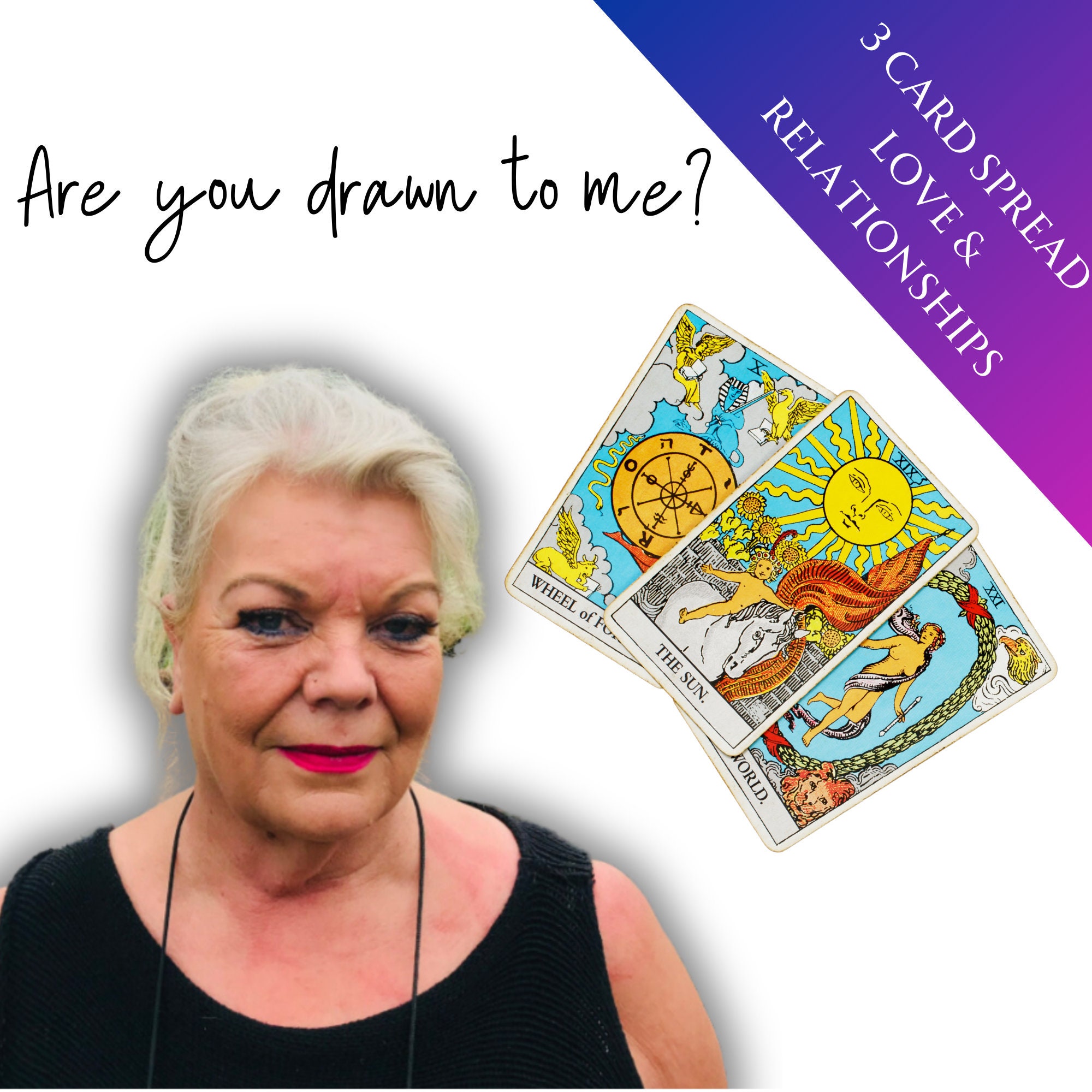
This spread consists of three distinct positions, each representing a different aspect of your relationship inquiry. The first card reveals the current energy or situation you’re experiencing. The second card delves into the desires or attractions at play, while the third card uncovers the lesson or challenge you need to embrace. Together, these cards form a narrative that guides you toward deeper understanding. For example, if you draw the Three of Cups in the first position, it may indicate celebration and joy in your current relationship. If the Knight of Wands appears in the second position, it could suggest a passionate or fiery attraction. Finally, the Seven of Swords in the third position might warn of deception or the need for honesty. This structure allows you to see the full picture of your romantic or emotional journey.
Posing the Right Question for Deeper Insight
A well-framed question is the key to unlocking meaningful tarot insights. Instead of asking a broad question like, “Will I find love?” try posing something more specific and playful. For instance, “What is the current energy in my love life, and what lesson is it teaching me?” or “What desire is driving my attraction right now, and what challenge should I prepare for?” These questions encourage the cards to reveal not just surface-level answers but also the underlying emotions and lessons. Avoid yes/no questions, as they limit the depth of the reading. Instead, focus on open-ended inquiries that invite exploration. For example, if you’re curious about a new romantic interest, you might ask, “What is the true nature of this connection, and what lesson should I learn from it?” This approach ensures that the reading provides actionable guidance rather than vague predictions.
Interpreting the First Card: Current Energy in Your Love Life
The first card in this spread represents the present energy surrounding your love life or relationship. This card sets the tone for the entire reading and offers insight into what you’re currently experiencing. For example, if you draw the Two of Cups, it signifies harmony, mutual attraction, and a balanced connection. If the Five of Pentacles appears, it may indicate feelings of lack, financial stress, or emotional distance in your relationship. Pay attention to the card’s imagery and symbolism, as these elements often hold clues about the underlying emotions. Is the card predominantly warm and inviting, like the Sun, or does it carry a sense of tension, like the Tower? The first card acts as a mirror, reflecting the reality of your current situation and preparing you for what’s to come.

Exploring the Second Card: Desires and Attractions
The second card in the spread reveals the desires, attractions, or hidden motives influencing your love life. This position often uncovers what you or your partner are secretly longing for, whether it’s passion, security, or excitement. For instance, the Queen of Cups might suggest a nurturing, emotionally intuitive attraction, while the Knight of Swords could indicate a fast-paced, impulsive desire. This card also highlights any unmet needs or fantasies that may be driving your actions. If you’re single, it might reveal what you’re subconsciously seeking in a partner. If you’re in a relationship, it could expose underlying tensions or unspoken attractions. The second card challenges you to reflect on whether your desires align with your values or if they’re leading you toward unnecessary drama.
Uncovering the Third Card: The Lesson or Challenge
The final card in the spread is perhaps the most transformative, as it reveals the lesson or challenge you must confront in your love life. This card acts as a wake-up call, urging you to address unresolved issues or embrace personal growth. For example, the Eight of Swords might indicate feelings of being trapped or limited by your own perceptions, while the Three of Swords could suggest heartache or the need to release past pain. This card doesn’t exist to discourage you but to empower you. It highlights areas where you can evolve, whether that means setting boundaries, practicing self-love, or communicating more openly. Ignoring this lesson may lead to repeated patterns of dissatisfaction, so use this insight to make conscious changes.
Common Scenarios and Their Interpretations
Let’s explore a few common scenarios to illustrate how this spread works in practice. If your spread shows the Lovers in the first position, the Six of Wands in the second, and the Page of Cups in the third, your current relationship is filled with harmony and mutual admiration. The desire is for recognition and shared success, while the lesson is to embrace new emotional beginnings with openness. Alternatively, if the Ten of Swords appears first, the Two of Pentacles second, and the Hermit third, your current energy is one of endings or betrayal. The desire is for balance and adaptability, but the lesson is to seek solitude and self-reflection to heal. These examples demonstrate how the spread adapts to different situations, offering tailored guidance for every love story.
How to Use This Spread for Self-Reflection
This 3-card spread isn’t just for romantic relationships—it’s also a powerful tool for self-love and personal growth. Ask yourself questions like, “What lesson is my current emotional state teaching me?” or “What desire is holding me back from true happiness?” The cards will reflect your inner world, revealing patterns you may not have noticed. For example, if the Ace of Wands appears in the second position, it might indicate a strong desire for creative expression or passion in your life. If the Chariot appears in the third position, the lesson could be about harnessing your willpower to overcome obstacles. Use this spread as a mirror to understand your deepest needs and the challenges that stand in your way.
Final Thoughts: Embracing Love’s Lessons
The 3-card tarot spread for love, lust, and lessons is more than just a divination tool—it’s a compass for emotional clarity. By interpreting the current energy, desires, and challenges in your love life, you gain the power to make informed decisions and break free from unfulfilling patterns. Remember, the cards don’t predict a fixed future but offer guidance based on your current path. Use this spread as a starting point for deeper self-inquiry, and don’t be afraid to revisit it as your feelings and circumstances evolve. Whether you’re seeking passion, healing, or understanding, this spread will illuminate the way forward with wisdom and compassion.
FAQ
What is a 3-card tarot spread?
A 3-card tarot spread involves drawing three cards, each representing different aspects of a relationship inquiry: current energy, desires, and lessons.
How do I frame a question for a tarot reading?
Frame specific and open-ended questions to encourage deeper insights, such as ‘What is the current energy in my love life?’
Leave a Reply