Short Answer
Dream Tarot Meanings: When Your Mind Becomes the Reader is your guide to unlocking the profound messages hidden within your dreams through the lens of Tarot. This comprehensive exploration will help you understand how your subconscious communicates using Tarot symbolism, empowering you to interpret your dreams with clarity and confidence. Whether you’re a seasoned Tarot enthusiast or a curious beginner, this guide will provide the tools to decode the mysteries of your nocturnal visions.
Understanding Dream Tarot Meanings
Dream Tarot meanings bridge the gap between the conscious and subconscious mind, offering a unique framework for interpreting dreams. Tarot cards serve as archetypal symbols that resonate with universal human experiences, making them an ideal tool for dream analysis. When you dream, your mind often communicates in metaphors and symbols, much like the imagery found in Tarot decks. By recognizing these symbols and their corresponding Tarot meanings, you can uncover deeper insights into your emotions, fears, desires, and life path.
For example, dreaming of water might align with the Tarot’s Cups suit, representing emotions, intuition, and relationships. Similarly, a dream featuring a tower could connect to the Tower card, symbolizing sudden change or upheaval. Understanding these connections allows you to translate abstract dream imagery into actionable guidance.
The Role of Tarot in Dream Interpretation
Tarot acts as a mirror to your inner world, reflecting the themes and energies present in your dreams. Unlike traditional dream dictionaries that provide rigid interpretations, Tarot encourages a more intuitive approach. Each card carries multiple layers of meaning, allowing you to tailor interpretations to your personal experiences and emotions. For instance, the Moon card might signify confusion or hidden fears in a dream, while the Sun card could represent clarity and joy.
Using Tarot for dream interpretation involves drawing cards to represent key elements of your dream or selecting a single card to encapsulate its overall message. This process helps you focus on specific aspects of the dream and extract meaningful insights. Additionally, Tarot spreads designed for dream analysis can provide structured guidance, ensuring you explore all facets of the dream’s symbolism.
Common Dream Tarot Symbols and Their Meanings
Certain Tarot symbols frequently appear in dreams, each carrying distinct meanings. Below are some of the most common symbols and their interpretations:
Water
Water in dreams often represents emotions, intuition, and the subconscious mind. In Tarot, the Cups suit embodies these themes. Calm water may indicate emotional balance, while turbulent waves could suggest unresolved feelings or stress. The depth of the water also plays a role—shallow water might reflect surface-level emotions, while deep water could signify profound, hidden aspects of your psyche.
Animals
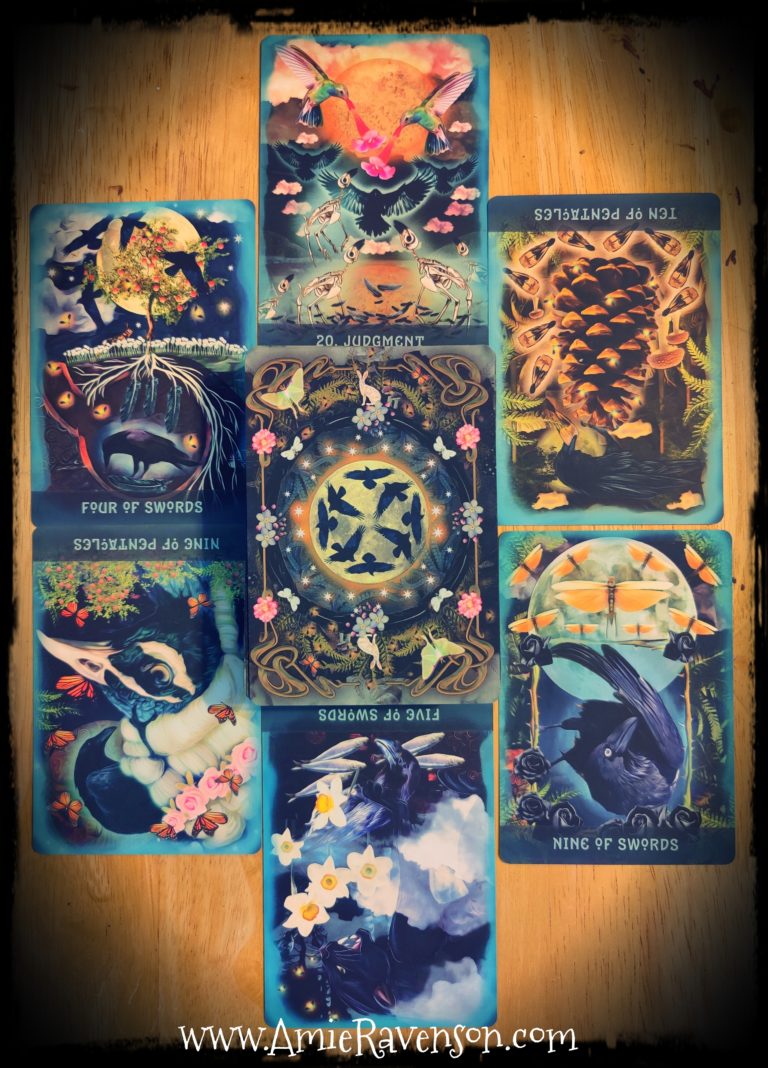
Animals in dreams often symbolize instinctual behaviors, hidden traits, or messages from your subconscious. In Tarot, animals frequently appear in cards like the Strength card (lion), Temperance card (angel with animal symbolism), and Judgement card (angelic figures). For example, dreaming of a snake might connect to the Death card, indicating transformation or shedding old habits, while a bird could align with the Fool card, representing freedom or new beginnings.
Journeys and Travel
Dreams involving travel or journeys often reflect personal growth, transitions, or life changes. In Tarot, the Chariot card symbolizes determination and forward movement, while the Wheel of Fortune represents cycles of change. If you dream of being lost, it might suggest uncertainty or a need for direction, while a smooth journey could indicate progress and alignment with your goals.
How to Use Tarot for Dream Analysis
Incorporating Tarot into your dream analysis process can deepen your understanding and provide actionable insights. Here’s a step-by-step guide to get started:
Step 1: Record Your Dreams
Keep a dream journal by your bedside to jot down dreams as soon as you wake up. Include details such as emotions, colors, people, and symbols. The more vividly you record your dreams, the easier it will be to identify patterns and connect them to Tarot meanings.
Step 2: Identify Key Symbols
Review your dream journal and highlight recurring symbols or themes. Ask yourself what these symbols mean to you personally. For example, a snake might represent fear for one person but transformation for another. Your unique associations are key to accurate interpretation.
Step 3: Draw Tarot Cards
Select a Tarot spread designed for dream analysis, such as a single-card pull for overall guidance or a three-card spread for past, present, and future insights. Alternatively, draw cards to represent specific symbols in your dream. For instance, if you dreamed of a storm, you might pull the Tower card for sudden change or the Eight of Wands for rapid movement.
Step 4: Interpret the Cards
Combine the meanings of the drawn cards with the symbols from your dream. Look for connections between the card imagery and your dream content. For example, if you pulled the High Priestess and dreamed of a mysterious door, it might indicate hidden knowledge or intuition guiding you toward a new opportunity.
Step 5: Reflect and Apply
Reflect on how the Tarot insights resonate with your current life situation. Ask yourself how the messages can be applied to your waking life. For instance, if the Three of Swords appears in relation to a dream about conflict, it might encourage you to address unresolved emotions or communicate openly with others.
Advanced Techniques for Dream Tarot Readings
For those looking to deepen their practice, advanced techniques can enhance the clarity and accuracy of dream Tarot readings.
Synchronicity and Timing
Pay attention to synchronicities—meaningful coincidences between your dreams and waking life. For example, if you dream of a specific animal and then encounter it repeatedly in your daily life, it may be a sign to explore its symbolic meaning further. Timing is also crucial; dreams often reflect immediate concerns or upcoming events, so note the date and context of your dreams.
Shadow Work and Personal Growth
Use dream Tarot readings as a tool for shadow work, exploring the hidden or repressed aspects of your psyche. Cards like the Devil or Seven of Swords can highlight areas where you may be avoiding truth or engaging in self-sabotage. By acknowledging these patterns, you can work toward healing and growth.
Meditation and Visualization
Combine meditation with Tarot to deepen your connection to your dreams. Before sleep, meditate on a specific question or intention related to your dreams. Visualize yourself receiving guidance through symbols or cards. This practice can make your dreams more vivid and meaningful, providing clearer material for Tarot interpretation.
Conclusion
Dream Tarot meanings offer a powerful pathway to understanding your subconscious mind and the messages it conveys through dreams. By learning to interpret Tarot symbols within the context of your dreams, you gain access to a deeper level of self-awareness and guidance. Whether you use Tarot as a tool for reflection, problem-solving, or spiritual growth, the insights you uncover can illuminate your path and help you navigate life’s challenges with greater clarity.
Start by keeping a dream journal, identifying key symbols, and drawing Tarot cards to explore their meanings. Over time, you’ll develop a more intuitive understanding of your dreams and the wisdom they hold. Embrace the journey of self-discovery, and let your mind become the reader that unlocks the secrets of your soul.
FAQ
What is Dream Tarot?
Dream Tarot is a method of interpreting dreams using Tarot cards, which serve as symbols to unlock subconscious messages.
How can I use Tarot to analyze my dreams?
You can use Tarot by recording your dreams, identifying key symbols, drawing Tarot cards, interpreting those cards, and reflecting on their meanings.

Leave a Reply