Short Answer
Embark on a journey into the mystical world of esoteric tarot, where each card whispers secrets of the universe, the soul, and the unseen threads that connect all things. This guide is designed to illuminate the hidden layers of tarot symbolism, revealing how these ancient cards serve as a bridge between the mundane and the divine. You will uncover the profound promises tarot holds—not just as a tool for divination, but as a mirror for self-reflection and transformation. By the end, you’ll see the cards not merely as tools, but as gateways to deeper understanding, intuition, and spiritual growth.
The Esoteric Roots of Tarot: Beyond the Surface
Tarot cards are far more than a deck of illustrated cards used for fortune-telling. Their origins trace back to 15th-century Europe, where they were first used as playing cards. However, it wasn’t until the late 18th century that occultists began to reinterpret tarot as a system of esoteric wisdom. Figures like Antoine Court de Gébelin and Éliphas Lévi linked the cards to ancient Egyptian mysticism, Kabbalah, and astrology, weaving a complex tapestry of symbolism that transcends time.
At its core, esoteric tarot is a visual language—a symbolic code that speaks to the subconscious mind. Each card is a microcosm of universal truths, reflecting archetypes that Carl Jung later identified as fundamental to human psychology. The Major Arcana, in particular, represents life’s grand themes: birth, death, love, conflict, and enlightenment. These cards don’t just predict the future; they reveal the patterns of our lives, inviting us to recognize our role in the cosmic dance.
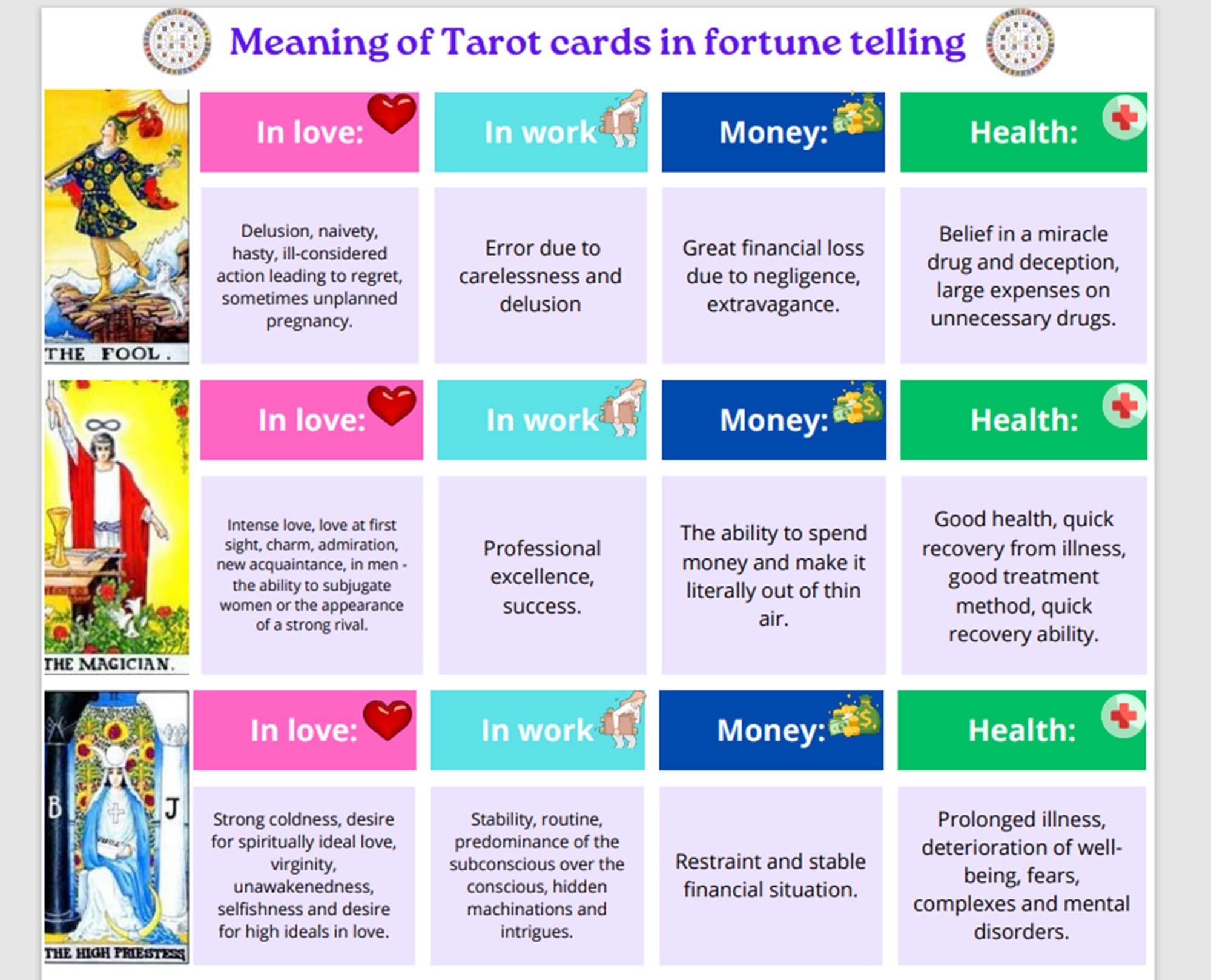
Decoding the Major Arcana: A Spiritual Roadmap
The Major Arcana consists of 22 cards, each numbered from 0 (The Fool) to XXI (The World). These cards form a narrative arc, often likened to the journey of the soul. The Fool’s adventure begins with innocence and spontaneity, while The Magician represents manifestation and willpower. As you move through the sequence, cards like The High Priestess (intuition), The Lovers (choices), and The Chariot (determination) unfold, each offering a lesson in personal evolution.
Esoteric interpretations delve into the alchemical symbolism embedded in these cards. For instance, The Hermit’s lantern is not just a source of light—it symbolizes inner wisdom, the search for truth, and the solitary path of enlightenment. Similarly, Death (card XIII) is rarely about literal demise; instead, it signifies transformation, endings that pave the way for renewal. Understanding these layers allows you to see tarot as a guide for navigating life’s inevitable cycles of change.

The Minor Arcana: The Hidden Language of Everyday Life
While the Major Arcana captures life’s grand themes, the Minor Arcana—comprising 56 cards divided into four suits (Wands, Cups, Swords, and Pentacles)—focuses on the nuances of daily existence. Each suit corresponds to an element: Wands (fire, creativity), Cups (water, emotions), Swords (air, intellect), and Pentacles (earth, material world). The court cards (Page, Knight, Queen, King) further refine these energies, representing personalities or stages of development.
Esoteric tarot readers often explore the interplay between the suits and numerology. For example, the Ace of Cups symbolizes new emotional beginnings, while the Three of Swords may reflect heartache or difficult choices. The suits also align with astrological signs and planetary influences, adding another dimension to their meanings. By studying the Minor Arcana, you gain insight into the subtle forces shaping your relationships, career, and personal growth—revealing how even the smallest events are part of a larger, meaningful pattern.
Tarot as a Tool for Self-Discovery and Transformation
One of the most powerful promises of esoteric tarot is its ability to foster self-awareness. Unlike traditional divination, which often seeks to predict outcomes, esoteric tarot encourages introspection. A reading might highlight recurring themes in your life, such as a tendency to avoid conflict (Three of Swords) or a need to embrace spontaneity (The Fool). These insights become catalysts for change, prompting you to question, adapt, and grow.
The act of pulling a card and meditating on its imagery can also serve as a form of active imagination—a technique Carl Jung used to explore the unconscious. For instance, gazing at The Star might evoke feelings of hope and divine guidance, while The Tower could trigger a confrontation with repressed fears. By engaging with the cards in this way, you tap into a wellspring of intuitive wisdom, allowing the symbols to speak directly to your soul.
The Role of Ritual and Intention in Esoteric Tarot
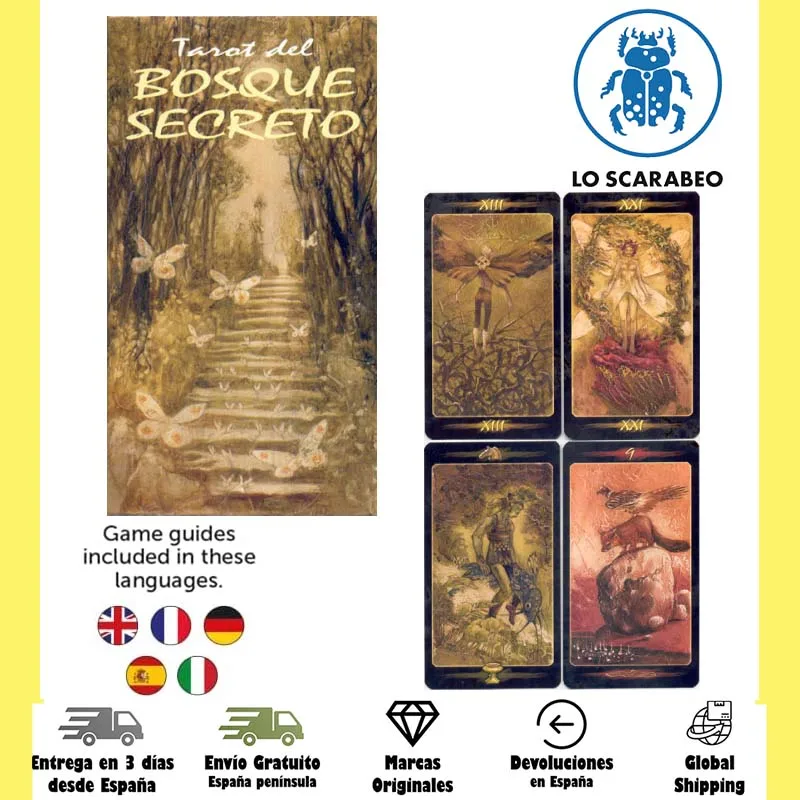
Esoteric tarot is deeply intertwined with ritual and intention. Before a reading, practitioners often cleanse their space with smoke, sound, or crystals to create a sacred atmosphere. The choice of deck matters too—some readers prefer decks with traditional Rider-Waite imagery, while others are drawn to decks like the Secret Forest Tarot, which blends nature mysticism with modern spirituality. Each card’s artwork becomes a focal point for meditation, inviting you to explore its layers of meaning.
Setting an intention is equally important. Whether you seek clarity on a relationship, guidance for a career decision, or simply a deeper connection to your intuition, framing your question with purpose shapes the energy of the reading. The cards respond not just to the question asked, but to the energy behind it, making tarot a dynamic dialogue between the querent and the divine.
Common Misconceptions and How to Approach Tarot with Discernment
Tarot is often misunderstood as a tool for predicting the future with absolute certainty. In reality, esoteric tarot is about probabilities, patterns, and potential—not fixed outcomes. The cards reflect the querent’s current energy and the collective unconscious, offering guidance rather than prophecies. Another misconception is that tarot is inherently “dark” or “evil.” While some decks feature gothic or occult imagery, the cards themselves are neutral vessels for wisdom. Their power lies in how they are used.
To approach tarot with discernment, it’s essential to cultivate a beginner’s mind—free from rigid expectations. Trust your intuition when interpreting cards, but also study traditional meanings to build a foundation. Keep a tarot journal to track your readings and notice how the cards resonate with your life over time. Remember, tarot is a mirror, not a master; its true value lies in the insights it reveals, not the control it claims to offer.
Conclusion
Esoteric tarot is a gateway to a world where symbolism, spirituality, and self-discovery intertwine. It promises not just answers, but a shift in perspective—a reminder that life’s challenges and triumphs are part of a grand, interconnected narrative. By learning to read the cards through an esoteric lens, you unlock a language that speaks to the soul, guiding you toward deeper understanding, intuition, and transformation. Whether you’re a seasoned reader or a curious beginner, the tarot invites you to explore the mysteries within and around you, one card at a time.
FAQ
What is esoteric tarot?
Esoteric tarot refers to the deeper, symbolic meanings of tarot cards, focusing on their role in self-discovery and spiritual growth rather than mere fortune-telling.
How do the Major and Minor Arcana differ?
The Major Arcana represents significant life themes and archetypes, while the Minor Arcana focuses on everyday experiences and challenges.
What role do rituals play in tarot readings?
Rituals help create a sacred space and set intentions, enhancing the connection between the reader and the cards.
Leave a Reply