Short Answer
The Devil card in tarot, often cloaked in an air of mystery and intrigue, embodies complex meanings that reflect the intricate web of human psychology and spirituality. This card, numbered fifteen in the Major Arcana, is frequently misunderstood, yet it offers profound insights into our innermost struggles and temptations. By delving into its symbolism, interpretations, and impacts on tarot readings, one can discern the multifaceted nature of this enigmatic card.
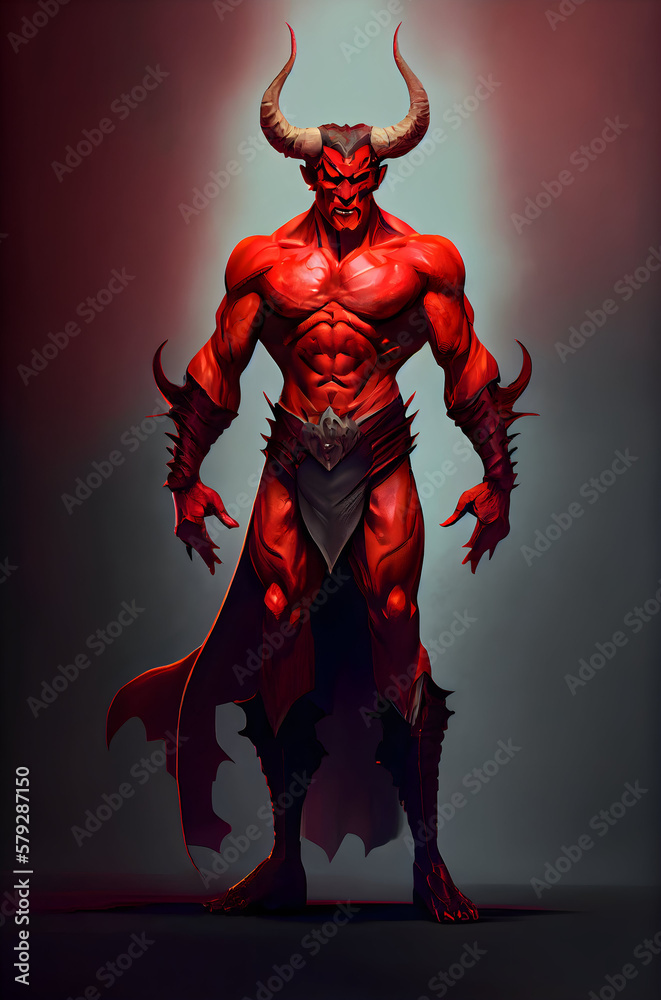
At first glance, the imagery associated with The Devil can be off-putting. Typically depicted as a horned creature, often resembling a satyr or demon, the card can evoke feelings of fear or repulsion. However, beneath this façade lies a wealth of symbolism that prompts deeper contemplation. The figure is often shown chained to two human figures, representing the binding nature of materialism, addiction, and excess. Yet these chains are not as unbreakable as they may seem. Instead, they highlight our choices: the figures have the power to remove their shackles if they choose to do so.
In exploring the meanings of The Devil card, it becomes essential to consider the duality it embodies. On one hand, it reflects bondage—capturing the essence of being ensnared by one’s desires, fears, or societal norms. Conversely, it can also represent liberation. The imagery invites the querent to examine the areas in their life where they might feel powerless or trapped, yet encourages them to recognize their ability to reclaim autonomy.
The Devil card invites introspection, suggesting that the allure of temptation can cloud judgment. It often emerges in positions of inquiry regarding personal struggles, illuminating issues surrounding addiction, obsession, or unhealthy relationships. Such interpretations compel individuals to confront uncomfortable truths, urging them to acknowledge the influence of their darker impulses. We live in a world rife with distractions—from consumerist culture to pervasive social pressures—that can lead us astray from our authentic selves. The Devil acts as a mirror, reflecting back those shadows we often prefer to ignore.
Moreover, it is vital to understand the card’s relation to materialism and earthly pleasures. In a society that frequently equates worth with wealth and status, The Devil serves as a reminder of the dangers of overindulgence. This card suggests a cautionary tale against the consequences of pursuing superficial gratification at the expense of deeper fulfillment. The chains depicted in the imagery are emblematic of the limitations we impose upon ourselves through our desires. The card prompts the inquiry: Are we genuinely free, or are we enslaved by our pursuits?
On a psychological level, The Devil card encompasses deeper dimensions beyond mere temptation. It speaks to inherent conflicts within the psyche—the struggle between the primal self and the higher self. Acknowledging these dichotomies allows for self-acceptance and the opportunity for growth. By recognizing the darker aspects of human nature, one can dismantle the stigma surrounding them and work towards integration and balance.
It’s also imperative to consider the card’s association with sexuality and desire. The Devil embodies the raw, primal energy that fuels human connections and passions. This aspect brings forth an exploration of how lust and desire can serve as both a binding force and a source of liberation. In relationships, The Devil may signify an intense, passionate connection but can also hint at obsession or possessiveness. When this card appears, it urges the querent to assess the healthiness of their desires and motivations within intimate relationships.
When interpreted in a reading, The Devil card does not necessarily predict doom or misfortune. Instead, it can serve as a wake-up call, compelling the querent to reevaluate their mindset toward life challenges. By confronting these elements head-on, they can begin to dismantle limiting beliefs and emerge from the shadows. Understanding The Devil card encourages individuals to step into their power and reclaim their narrative.
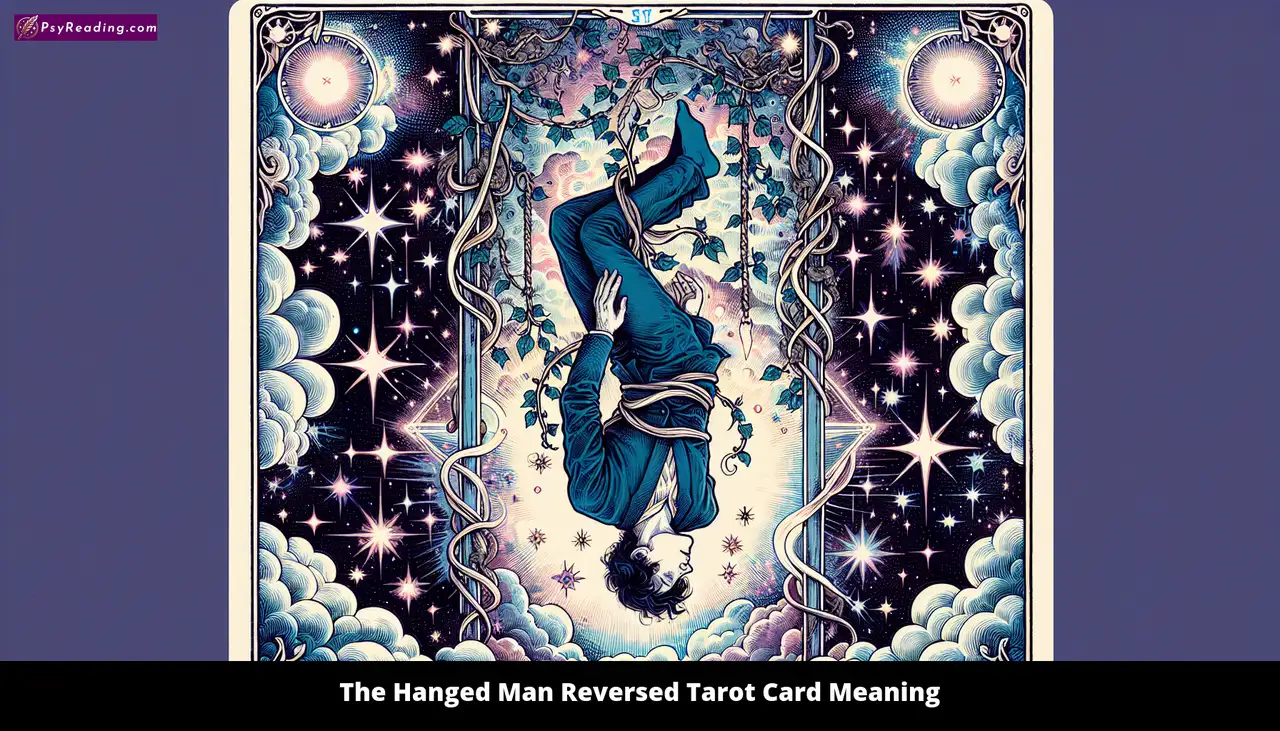
In the context of reversed interpretations, The Devil card’s significance can take on a different light. It may suggest breaking free from the chains of addiction or unhealthy relationships, symbolizing empowerment and the ability to overcome. In such instances, the energies contained within the card transition from one of entrapment to that of liberation, highlighting an individual’s journey towards self-awareness and independence.
Furthermore, the complexities associated with The Devil card contribute to the intrigue it holds within the realm of tarot. Many are fascinated by this card not merely because of its dark imagery but due to the multifarious layers of meaning it encompasses. It evokes a sense of curiosity about our deepest fears, our shadow selves, and the societal norms that shape our actions. Tarot enthusiasts and practitioners find themselves drawn into conversations spurred by The Devil, pondering existential questions and the battle between light and dark.
Ultimately, The Devil card remains a vital component within the tarot landscape. It prompts meaningful discourse surrounding the darker facets of human experience while simultaneously offering impactful lessons in personal evolution. Embracing its complexities allows individuals to foster a deeper understanding of themselves and their relationship with the world around them. As one navigates the endless tapestry of life, The Devil card stands as a testament to the power of choice, self-awareness, and the journey towards authenticity.
FAQ
What does the Devil card represent in tarot?
The Devil card represents temptation, bondage, and the duality of human nature, highlighting struggles with materialism and addiction.
How should one interpret the Devil card in a reading?
In a reading, the Devil card encourages self-reflection on personal struggles and the potential for liberation from limiting beliefs.
What does the Devil card mean when it appears reversed?
When reversed, the Devil card signifies breaking free from addiction or unhealthy relationships, symbolizing empowerment and liberation.
Leave a Reply