Short Answer
Ever wondered if tarot cards can whisper secrets darker than the shadows they’re drawn from? The “Evil Tarot” isn’t about curses or dark magic—it’s about the cards that challenge us, push boundaries, and force us to confront uncomfortable truths. In this guide, you’ll explore the meanings behind the tarot’s most misunderstood cards, uncover their playful (and sometimes sinister) symbolism, and learn how to wield their energy without fear. Whether you’re a seasoned reader or a curious newcomer, prepare to dive into the depths of the tarot’s shadowy side.
The Devil: More Than Just a Card of Bondage
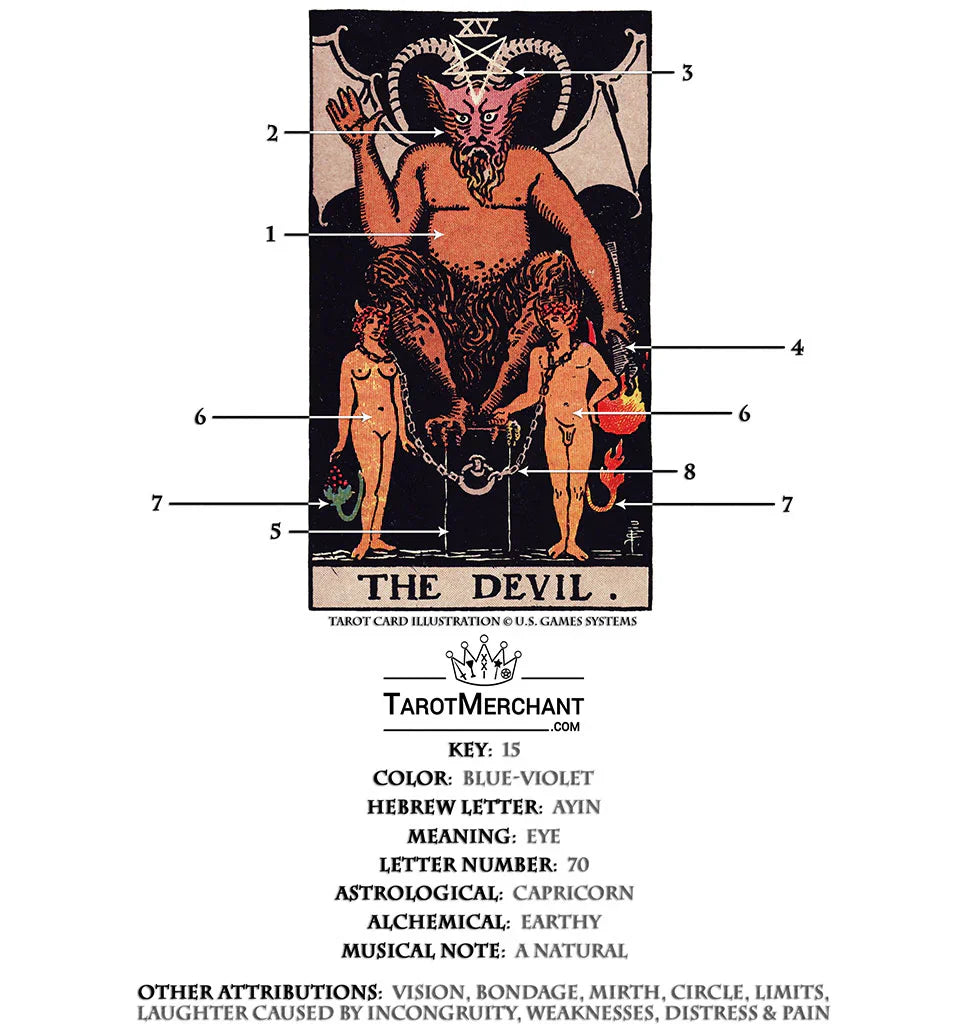
The Devil card is the poster child of “evil” tarot, often depicted with horned figures and chains. But this card isn’t about literal damnation—it’s about illusion, addiction, and the chains we create for ourselves. Think of it as a mirror showing where you’re trapped by habits, toxic relationships, or even societal expectations. The Devil asks: What’s the one thing you can’t seem to let go of, even when it’s hurting you?
In readings, this card might appear when you’re ignoring red flags or clinging to comfort over growth. It’s not a punishment—it’s an invitation to break free. The Devil’s chains are loose; you hold the key.
The Tower: When the Universe Drops the Mic
Few cards strike fear like The Tower—a tower struck by lightning, crumbling to the ground. This card symbolizes sudden upheaval, revelation, and the collapse of illusions. It’s the cosmic equivalent of a wake-up call, often appearing when you’ve built your life on shaky foundations. The Tower doesn’t warn; it acts.
But here’s the twist: The destruction it brings is necessary. The Tower’s lightning clears away what no longer serves you, forcing you to rebuild stronger. It’s terrifying, yes—but also liberating. The question isn’t *if* The Tower will strike, but how you’ll rise from the rubble.

Ten of Swords: The Ultimate “Rock Bottom” Card
This card shows a figure lying face-down, ten swords piercing their back—a graphic depiction of betrayal or defeat. But don’t panic: The Ten of Swords isn’t a death sentence. It’s the final straw before transformation. It appears when you’ve exhausted all options, when the pain of staying the same outweighs the fear of change.
The key here is the card’s aftermath: The sky is already lightening in the background. The Ten of Swords isn’t the end—it’s the dark before the dawn. It asks: What’s one thing you need to surrender to move forward?
Three of Swords: Heartbreak with a Side of Clarity
Often called the “breakup card,” the Three of Swords depicts a heart pierced by swords, usually in a stormy sky. This card isn’t just about romantic pain—it’s about grief, betrayal, and the wounds that force us to grow. It appears when you’re nursing emotional bruises, whether from a lost love, a shattered dream, or a harsh truth.
But here’s the silver lining: The Three of Swords also brings clarity. The storm clouds part, revealing a path forward. It’s a reminder that pain, though inevitable, isn’t permanent. The question isn’t *how to avoid* the swords, but how to heal from them.
Five of Pentacles: The Card of Feeling Left Out in the Cold
This card shows two figures in tattered robes, shivering outside a church window. It’s the tarot’s way of saying: You’re not alone in your struggles—but you might feel that way. The Five of Pentacles represents financial hardship, isolation, or feeling excluded. It’s the card of the “invisible poor,” those who suffer in silence.
Yet, this card also carries a message of hope. The church window glows warmly behind them, a sign that help is nearby—if you’re willing to reach out. It challenges you to ask: Where can I find community or support when I feel abandoned?

How to Work with “Dark” Tarot Cards Without Fear
Encountering these cards doesn’t mean doom—it means opportunity. Here’s how to reframe their energy:
- Ask, don’t assume: Instead of dreading The Devil, ask what habit or fear it’s highlighting. The card is a tool, not a verdict.
- Look for the lesson: The Tower’s destruction is messy, but it clears space for something new. What’s the lesson in your upheaval?
- Embrace the shadow: These cards force you to confront what you’ve ignored. Lean into the discomfort—it’s where growth happens.
- Use them as a mirror: The Three of Swords isn’t just about heartbreak; it’s about resilience. How can you turn your pain into power?
When to Seek Guidance (and When to Trust Yourself)
While tarot is a personal journey, some cards—like The Devil or The Tower—can feel overwhelming. If a reading leaves you anxious, consider these steps:
- Ground yourself: Light a candle, take deep breaths, or step outside. Reconnect with the present moment.
- Seek balance: Pair “dark” cards with their lighter counterparts. For example, The Tower’s destruction is balanced by The Star’s hope.
- Talk it out: Share your reading with a trusted friend or therapist. Sometimes, verbalizing fears makes them less daunting.
- Trust your intuition: If a card resonates as a warning, listen. If it feels like a challenge, rise to it.
Conclusion
The tarot’s “evil” cards aren’t villains—they’re teachers. They don’t predict doom; they prevent it by shining a light on what’s hidden in the dark. The Devil’s chains can be broken. The Tower’s collapse can lead to a stronger foundation. The Ten of Swords’ pain can birth resilience. These cards don’t curse you—they empower you to see the truth, no matter how uncomfortable.
So the next time you draw a card that makes your stomach drop, take a deep breath. Ask yourself: What is this card trying to tell me? The answer might just be the key to your next chapter.
FAQ
What does The Devil card represent in tarot?
The Devil card symbolizes illusion, addiction, and the chains we create for ourselves, urging introspection about personal habits and relationships.
What is the significance of The Tower card?
The Tower signifies sudden upheaval and the collapse of illusions, serving as a wake-up call to rebuild on stronger foundations.
How can I work with dark tarot cards without fear?
Reframe their energy by asking questions, looking for lessons, embracing discomfort, and using them as mirrors for personal growth.
Leave a Reply