Short Answer
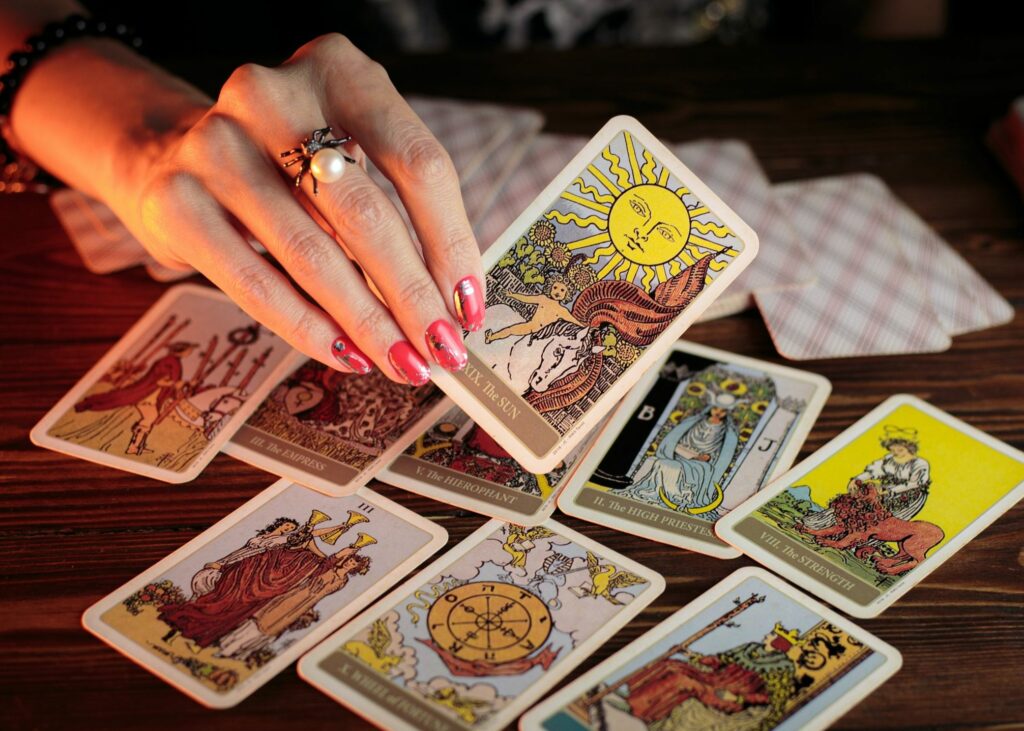
In the realm of tarot, the number 10 is represented by the Wheel of Fortune card. This card occupies a unique position within the tarot deck, inviting a myriad of interpretations, especially from a Christian perspective. The Wheel of Fortune is often viewed as a symbol of fate, cyclicality, and divine order. Its meaning, when juxtaposed with Christian tenets, becomes a poignant exploration of providence and human agency.
At first glance, the Wheel of Fortune may evoke images of randomness and capriciousness—a spinning wheel suggesting that life is merely a gamble, a game of dice influenced by chance. However, within Christian teachings, this notion transforms. Instead of randomness, the cycle reflected by this card introduces a theological dimension framed by God’s omnipresence. It suggests that while fortune may seem arbitrary, it is governed by divine providence.
In Christianity, the concept of divine providence alludes to the idea that God is in control of all events that unfold in the universe. This perfect alignment of circumstances may resonate with the Wheel of Fortune, as it embodies the perpetual turning of life’s events. It reminds believers that each occurrence—be it joyous or sorrowful—is enmeshed within a greater divine plan. Just as the wheel turns, life unfolds in cycles, suggesting that moments of prosperity and adversity are but different facets of God’s design.
The cyclical nature of the Wheel of Fortune also parallels the Christian understanding of life, death, and resurrection. In the Bible, the cyclical themes are prominent—from the seasons of nature to the resurrection of Jesus. Each cycle signifies not an end, but the preparation for a new beginning. The Wheel of Fortune invites contemplation on these themes, encouraging adherents to embrace life’s transitions with faith and resilience, aware that every downturn sets the stage for an inevitable rise.
Furthermore, the fluctuations depicted by the Wheel of Fortune allude to the scriptural depiction of humility. The Old Testament is abundant with narratives illustrating the exaltation and abasement of individuals. For instance, the rise of Joseph—from the depths of a dungeon to the heights of power—emphasizes that no one is beyond the grace of God, nor too far gone to experience that transformative call of fortune. Similarly, the New Testament showcases the idea that the first shall be last, encapsulating the enigmatic nature of God’s kingdom. This inextricable link between fortune and humility serves as a reminder that the divine order often upends human expectations.
Moreover, the Wheel of Fortune’s inherent duality—representing good luck and ill fate—hints at deeper philosophical questions among Christians. Some may ponder the nature of suffering and divine justice. The cyclicality of life suggests that tribulations are not devoid of purpose; rather, they can serve as conduits for faith, growth, and understanding. Just as Jesus faced adversity and suffering before achieving the ultimate sacrifice, believers are reminded that their trials can fortify their character and deepen their faith.
Exploring further, it is essential to recognize the societal fascination with fortune and destiny, which the Wheel of Fortune encapsulates. In contemporary culture, the persistent allure of luck—exemplified by games, lotteries, and chance encounters—is often perplexed with spiritual or existential significance. Within a Christian framework, this fascination is not merely frivolous; it reflects an innate human desire to seek meaning and stability in a vastly unpredictable world.
This ties into the notion of faith—believing in a higher purpose and understanding that one’s life trajectory—while it appears inconsistent or uncertain—is actually a pathway designed by God. The Democratic nature of the Wheel of Fortune, which spins for everyone alike, reinforces the belief that divine love and providence extend to all. It cajoles individuals into acknowledging their shared experiences of fortune and misfortune, fostering communal connections rooted in empathy and understanding.
Furthermore, the card may invoke the idea of stewardship. If life can be viewed as a series of cycles governed by God, this implicates humanity’s role in navigating such cycles responsibly. It heightens the call for Christians to engage actively with their surroundings, utilizing their resources judiciously and participating in acts of kindness and generosity, enabling peers to experience a taste of divine love and fortune.
Interestingly, in the tapestry of Christian thought, the number 10 transcends its immediate connotations. In biblical numerology, it signifies completeness and divine order—a sentiment echoed in the commandments delivered to Moses. The resonance is compelling: the Wheel of Fortune, as a representation of completeness, challenges adherents to engage with life’s cycles holistically, recognizing the interconnectedness of fortune, faith, and community.
In conclusion, the exploration of Tarot Card Number 10, viewed through a Christian lens, serves as a profound examination of fate and divine providence. It mirrors the cycles of life emphasized in Scripture, offering a robust narrative of hope intertwined with trials. The Wheel of Fortune does not merely spin in isolation; rather, it invites believers to approach the vicissitudes of existence with faith, resilience, and an acute awareness of a higher purpose. In this exploration of the card’s meaning, one observes not just a fascination with destiny, but a call to embrace life’s fullness, grounded in the knowledge that all things are woven into the fabric of divine grace.
FAQ
What does the Wheel of Fortune card represent?
The Wheel of Fortune card represents fate, cycles of life, and divine providence, illustrating how fortune can turn in various directions.
How is the Wheel of Fortune interpreted in Christian teachings?
In Christian teachings, the Wheel of Fortune symbolizes God’s control over life’s events, urging believers to recognize the divine purpose behind their experiences.
FAQ
What does the Wheel of Fortune card represent?
The Wheel of Fortune card represents fate, cycles of life, and divine providence, illustrating how fortune can turn in various directions.
How is the Wheel of Fortune interpreted in Christian teachings?
In Christian teachings, the Wheel of Fortune symbolizes God’s control over life’s events, urging believers to recognize the divine purpose behind their experiences.
Leave a Reply