Short Answer
Welcome to your guide on Feng Shui Tarot—a blend of ancient Chinese energy balancing and intuitive tarot reading. By the end of this article, you’ll understand how to use tarot cards not just for divination, but as tools to harmonize your environment and personal energy. You’ll learn how to interpret card positions through the lens of Feng Shui principles, ask playful yet meaningful questions, and navigate common challenges that arise during readings. Whether you’re a seasoned tarot reader or a curious beginner, this guide will help you infuse mindfulness and balance into your practice.
What Is Feng Shui Tarot?
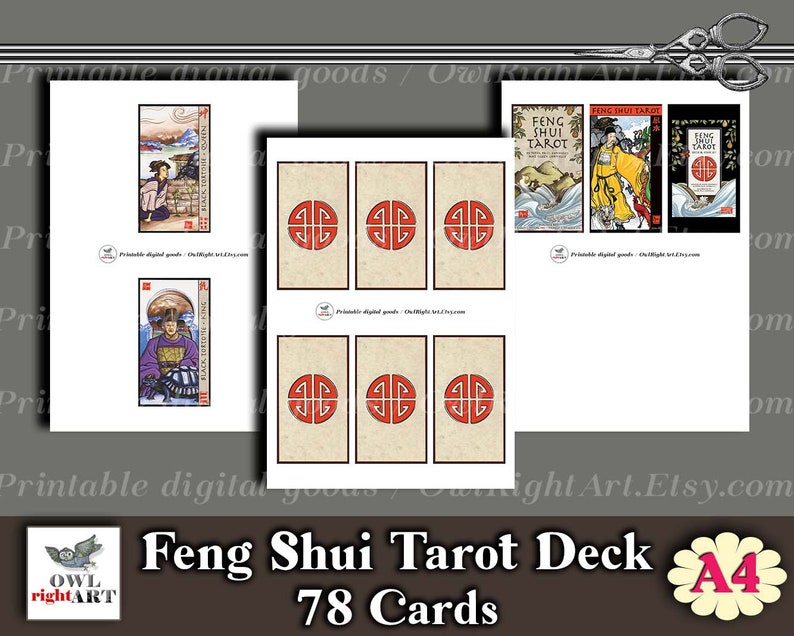
Feng Shui Tarot is the art of combining tarot card readings with the principles of Feng Shui—the Chinese philosophy of arranging your surroundings to promote harmony and positive energy flow, or qi. In this practice, tarot cards are used not only to gain insight into personal questions but also to assess and adjust the energy of a space. Each card in the tarot deck corresponds to elements (Wood, Fire, Earth, Metal, Water), colors, and life areas, such as career, relationships, or health. By drawing cards and placing them in specific positions—like the Bagua map used in Feng Shui—you can identify blockages and opportunities in your life and environment. This dual approach turns a simple tarot reading into a holistic wellness tool.
For example, drawing the Three of Pentacles in your career area might suggest collaboration and skill-building, while the Five of Cups could indicate emotional release needed in your relationships sector. By interpreting cards through both their traditional meanings and their Feng Shui associations, you create a richer, more actionable reading.
Setting Up Your Feng Shui Tarot Space
Creating a supportive environment for your Feng Shui Tarot practice is essential. Start by choosing a quiet, clutter-free space where you feel calm and focused. Use a clean table or altar, and consider incorporating elements that resonate with the five Feng Shui elements:
- Wood: Represented by plants or green candles—symbolizes growth and vitality.
- Fire: Candles or red decor—encourages passion and transformation.
- Earth: Crystals like citrine or brown textiles—supports stability and nourishment.
- Metal: White or metallic objects—enhances clarity and precision.
- Water: A small fountain or blue decor—promotes flow and intuition.
Position your tarot deck and any supporting tools (like a journal or crystals) in a way that feels intentional. You might place your deck on a wooden tray to invite growth or near a candle to spark insight. The key is to make your space feel balanced and aligned with your intention for the reading.
Asking Playful Yet Powerful Questions
In Feng Shui Tarot, the questions you ask set the tone for your energy reading. While traditional tarot often focuses on deep, introspective queries, Feng Shui Tarot encourages a playful curiosity that aligns with life areas. Instead of asking, “Will I get a promotion?” try framing it as, “What energy is flowing in my career space right now, and how can I enhance it?” This shifts the focus from outcome to awareness and action.
Another approach is to ask about the energy of a specific room or object. For example: “What does the energy in my bedroom need to feel more peaceful?” or “Which Feng Shui element is missing in my workspace?” These questions invite the cards to reveal not just personal insights, but environmental guidance—perfect for integrating Feng Shui principles.
Remember: the more specific and open-ended your question, the more nuanced your reading will be. Avoid yes/no questions, and instead, invite the wisdom of the cards to guide your understanding of energy flow.
Interpreting Cards Through the Bagua Map
The Bagua map is a Feng Shui tool used to analyze different areas of your life by overlaying a grid onto your home or workspace. Each of the nine sections corresponds to a life area, such as wealth, love, or health. In Feng Shui Tarot, you can use the Bagua to position your cards and interpret their messages in context.
For instance, if you’re drawing cards to assess your health area (the center of the Bagua), the Strength card might suggest inner resilience, while the Eight of Pentacles could indicate a need for consistent self-care. To use the Bagua with tarot:
- Identify the life area you want to explore.
- Draw one or three cards and place them in the corresponding Bagua section.
- Interpret the cards both traditionally and through their elemental and life-area associations.
This method turns a general reading into a targeted Feng Shui assessment, helping you identify where energy is stagnant or flowing freely.

Navigating Challenges in Feng Shui Tarot Readings
Even with the best intentions, challenges can arise during your Feng Shui Tarot practice. One common issue is overcomplicating the reading by trying to force cards into Bagua positions that don’t resonate. If a card doesn’t feel aligned with a life area, trust your intuition—sometimes the message is meant to be interpreted more broadly.
Another challenge is interpreting cards too literally. For example, the Tower card might traditionally indicate sudden change, but in a Feng Shui context, it could signal the need to release old energy in a cluttered closet. Stay flexible and consider the card’s symbolism in relation to your space and life.
You may also encounter resistance when drawing cards that highlight imbalances, like the Five of Swords in your relationship area. Instead of avoiding the message, use it as a prompt to reassess your environment or habits. Feng Shui Tarot is about awareness, not judgment—so approach challenging cards with curiosity rather than fear.
Using Tarot to Enhance Your Feng Shui Practice
Beyond readings, tarot can be a daily tool to support your Feng Shui goals. Try drawing a single card each morning to set an intention for the day, aligning it with the energy you want to cultivate. For example, if you draw the Ace of Wands, focus on igniting creativity in your workspace. If the Hermit appears, prioritize solitude and reflection in your home.
You can also use tarot to guide Feng Shui adjustments. If the Page of Cups appears frequently, it might be time to add more water elements (like a small fountain) to your home to encourage emotional flow. By treating tarot as a compass for your Feng Shui journey, you create a dynamic, responsive practice that evolves with your needs.
Conclusion
Feng Shui Tarot is more than a reading—it’s a pathway to balance, clarity, and intentional living. By merging the wisdom of tarot with the principles of Feng Shui, you transform a simple card draw into a holistic practice that nurtures both your inner and outer world. Whether you’re assessing the energy of a room, setting intentions with daily cards, or interpreting life areas through the Bagua map, this approach invites mindfulness and harmony into every aspect of your life.
Start small: create a sacred space, ask open-ended questions, and let the cards guide your understanding of energy flow. Over time, you’ll find that Feng Shui Tarot isn’t just about predicting the future—it’s about shaping it with intention, awareness, and a touch of playful curiosity.
FAQ
What is Feng Shui Tarot?
Feng Shui Tarot is the practice of combining tarot readings with Feng Shui principles to balance energy and enhance personal and environmental well-being.
How do I set up a Feng Shui Tarot space?
Choose a quiet, clutter-free area, incorporate elements representing the five Feng Shui elements, and arrange your tarot tools intentionally.
What types of questions should I ask in Feng Shui Tarot?
Focus on open-ended questions that explore energy flow, such as ‘What energy is present in my career space?’ rather than yes/no questions.
Leave a Reply