Short Answer
Welcome to this comprehensive guide on flash cards and playing cards. Whether you’re an educator, a parent, a student, or simply someone looking to enhance learning or entertainment, this guide will provide you with valuable insights into the world of cards. You’ll discover the different types of flash cards and playing cards, their uses, benefits, and how to create or choose the right ones for your needs. By the end, you’ll have a thorough understanding of these versatile tools and how they can enrich your personal or professional life.
Understanding Flash Cards
Flash cards are compact, portable learning aids designed to reinforce memory through repetition and active recall. They typically consist of a question or prompt on one side and the answer or information on the reverse. Flash cards are widely used in education, language learning, professional training, and even for personal development. Their simplicity and effectiveness make them a favorite among learners of all ages.
The primary advantage of flash cards is their ability to promote active engagement with the material. Unlike passive reading, flash cards require the learner to recall information, which strengthens memory retention. They are also highly customizable, allowing users to tailor content to specific subjects, difficulty levels, or learning objectives. Whether you’re memorizing vocabulary, historical dates, math formulas, or medical terms, flash cards can be adapted to suit virtually any topic.
Types of Flash Cards
Flash cards come in various formats, each suited to different learning styles and purposes. The most common types include:
Traditional Paper Flash Cards
These are the classic, handwritten or printed cards made from sturdy paper or cardstock. They are inexpensive, easy to create, and ideal for quick study sessions. Traditional flash cards are perfect for learners who prefer tactile engagement and the ability to physically manipulate the cards.

Digital Flash Cards
With the rise of technology, digital flash cards have become increasingly popular. These can be created using apps or online platforms, allowing for interactive learning, spaced repetition, and multimedia integration. Digital flash cards are convenient for on-the-go studying and can be synchronized across multiple devices. Popular tools include Anki, Quizlet, and Brainscape.
Subject-Specific Flash Cards
Flash cards can be specialized for specific subjects such as languages, science, history, or mathematics. For example, language learners might use flash cards with vocabulary words and their translations, while science students might use them for memorizing periodic table elements or biological terms. Subject-specific flash cards help focus learning on targeted areas of knowledge.
Multimedia Flash Cards
These flash cards incorporate images, audio, or video to enhance learning. For instance, a language learner might use flash cards with pictures of objects alongside their names in the target language. Multimedia flash cards are particularly effective for visual and auditory learners, making complex concepts easier to grasp.
Benefits of Using Flash Cards
Incorporating flash cards into your learning routine offers numerous benefits:
- Improved Memory Retention: Flash cards leverage the testing effect, where actively recalling information strengthens memory more effectively than passive review.
- Portability and Convenience: Flash cards are small and lightweight, making them easy to carry and use anywhere, from commutes to coffee breaks.
- Customization: You can create flash cards tailored to your specific learning goals, ensuring that you focus on the material most relevant to you.
- Engagement and Motivation: The interactive nature of flash cards keeps learners engaged and motivated, reducing boredom compared to traditional study methods.
- Versatility: Flash cards can be used for a wide range of subjects and skill levels, from elementary school students to professionals in specialized fields.
Creating Effective Flash Cards
To maximize the effectiveness of flash cards, follow these best practices:
Keep It Simple
Each flash card should focus on a single concept, question, or piece of information. Avoid overloading cards with too much text, as this can overwhelm the learner and reduce effectiveness.
Use Clear and Concise Language
Write questions or prompts in a straightforward manner. Avoid jargon or complex phrasing unless it’s essential to the learning objective. The goal is to promote quick recall, so clarity is key.
Incorporate Visuals
Whenever possible, include images, diagrams, or symbols to reinforce the information. Visual aids can significantly enhance memory retention, especially for visual learners.
Organize by Difficulty
Group flash cards by difficulty level or topic to create a structured learning path. Start with easier concepts and gradually progress to more challenging material. This approach helps build confidence and prevents frustration.
Review Regularly
Consistent review is essential for long-term retention. Use a spaced repetition system to revisit flash cards at optimal intervals, ensuring that information is reinforced over time.
Understanding Playing Cards
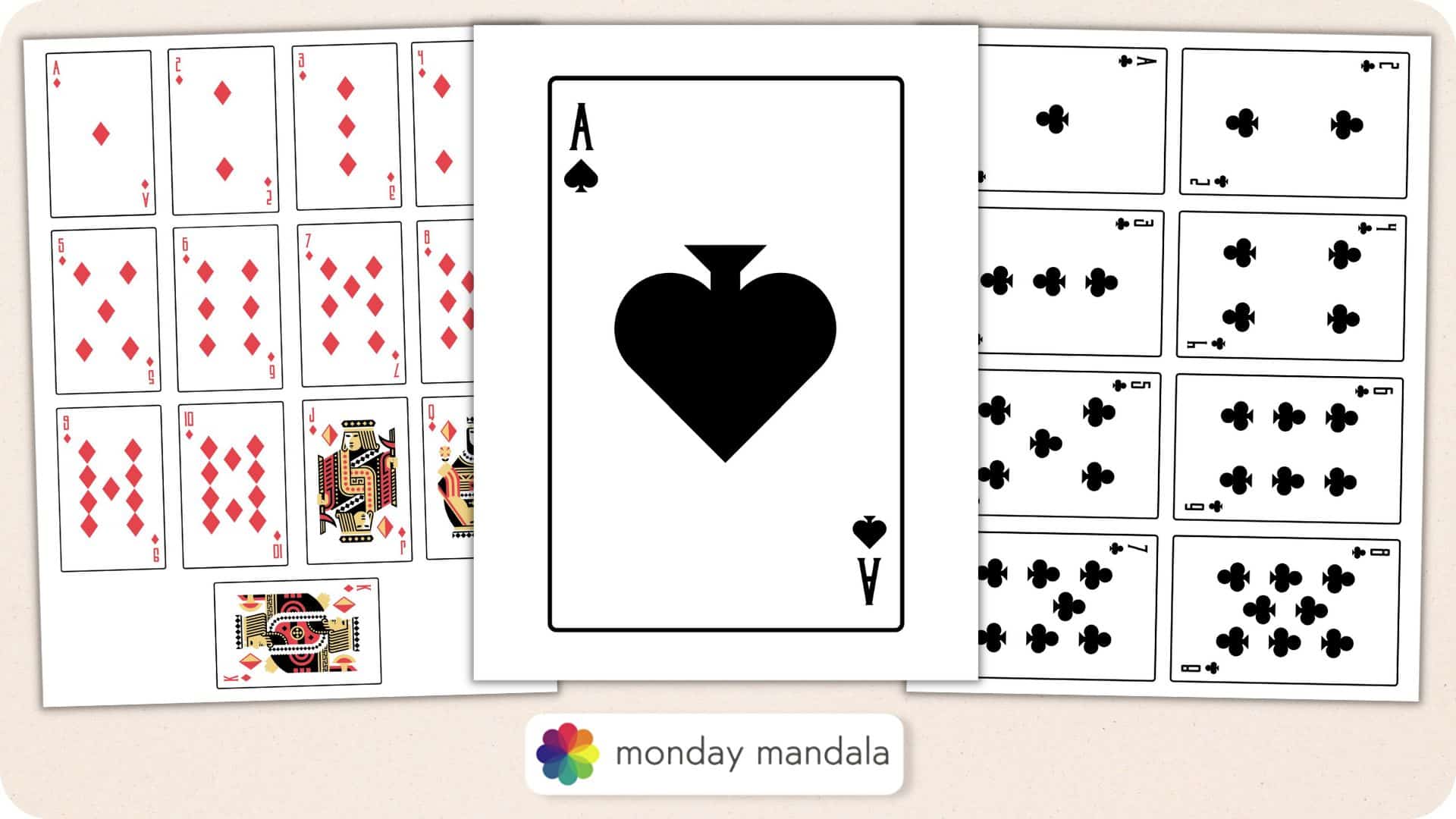
Playing cards are a timeless form of entertainment, used for games, magic tricks, and even educational purposes. A standard deck consists of 52 cards divided into four suits: hearts, diamonds, clubs, and spades. Each suit contains 13 ranks, from Ace to King, along with face cards (Jack, Queen, King) and number cards. Playing cards are versatile tools that can be adapted for various games, from classics like Poker and Bridge to educational games that teach strategy and probability.
Types of Playing Cards
Playing cards come in a variety of styles and formats, each suited to different purposes and preferences:
Standard Playing Cards
These are the traditional decks used for most card games. They typically feature a standard design with suits, ranks, and sometimes decorative patterns or artwork. Standard playing cards are widely available and affordable, making them a popular choice for casual gaming.
Custom Playing Cards
Custom playing cards are personalized decks designed for specific themes, events, or branding. They can feature unique artwork, logos, or designs tailored to the user’s preferences. Custom playing cards are often used for promotional purposes, corporate events, or as collectible items.

Educational Playing Cards
These decks are designed to teach specific skills or subjects, such as math, history, or language. For example, a deck might include cards with math problems on one side and answers on the reverse, or historical events paired with their dates. Educational playing cards make learning interactive and fun, blending entertainment with education.
Specialty Playing Cards
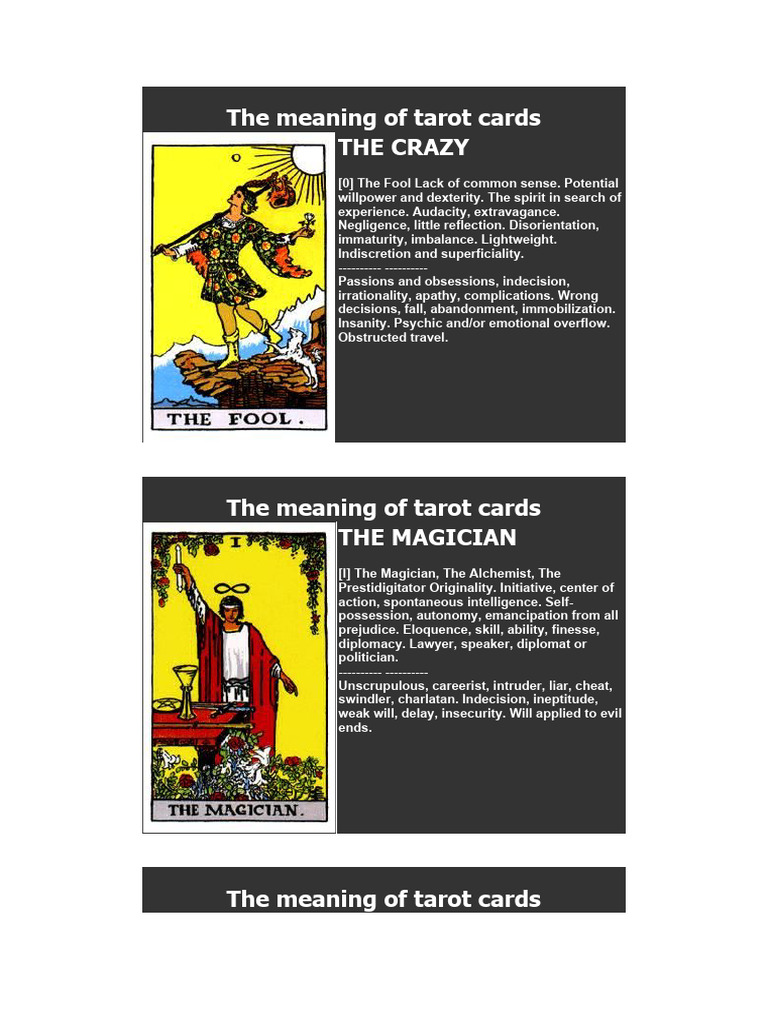
Specialty decks include variations like tarot cards, Uno cards, or decks designed for specific games like Poker or Blackjack. These decks often feature unique rules or mechanics that differentiate them from standard playing cards. Specialty decks are ideal for enthusiasts looking to explore new games or challenges.
Benefits of Playing Cards
Playing cards offer more than just entertainment; they provide a range of cognitive and social benefits:
- Cognitive Development: Playing card games enhances critical thinking, problem-solving, and strategic planning skills. Games like Poker and Bridge require players to analyze probabilities and make calculated decisions.
- Social Interaction: Card games bring people together, fostering communication, teamwork, and friendly competition. They are a great way to bond with family and friends while enjoying a shared activity.
- Memory and Recall: Many card games, such as Memory or Go Fish, require players to remember card positions or sequences, which can improve memory and recall abilities.
- Stress Relief: Engaging in a card game can be a relaxing and enjoyable way to unwind. The focus required to play can provide a mental break from daily stressors.
- Versatility: Playing cards can be adapted for various age groups and skill levels, making them suitable for children, adults, and seniors alike.
Choosing the Right Playing Cards
When selecting playing cards, consider the following factors to ensure you choose the best deck for your needs:
Purpose
Determine whether you need the cards for casual gaming, educational purposes, or professional use. This will help you narrow down the type of deck that suits your needs.
Quality and Durability
Look for decks made from high-quality materials, such as plastic-coated or linen-finish cards, which are more durable and resistant to wear and tear. A well-made deck will last longer and provide a better playing experience.
Design and Aesthetics
Choose a design that appeals to you or aligns with your preferences. Whether you prefer classic designs, vibrant artwork, or custom themes, the visual appeal of the cards can enhance your enjoyment of the game.
Size and Format
Playing cards come in various sizes, from standard poker-sized cards to larger bridge-sized cards. Consider the format that best suits your playing style and the games you intend to play.
Conclusion
Flash cards and playing cards are powerful tools that cater to a wide range of learning and entertainment needs. Flash cards excel in promoting active recall and memory retention, making them invaluable for students and professionals alike. Playing cards, on the other hand, offer a blend of cognitive challenges, social interaction, and fun, making them a staple in both casual and competitive settings.
By understanding the different types of flash cards and playing cards, as well as their benefits and applications, you can make informed decisions about how to incorporate them into your routine. Whether you’re creating custom flash cards to master a new language, selecting a deck of playing cards for a family game night, or exploring educational card games, these tools provide endless possibilities for growth and enjoyment.
Start experimenting with flash cards and playing cards today, and discover how they can enhance your learning journey or bring more fun and connection into your life. The versatility and adaptability of these tools ensure that there’s always something new to explore and enjoy.
FAQ
What are flash cards used for?
Flash cards are used as learning aids to reinforce memory through active recall and repetition.
What types of playing cards exist?
Types of playing cards include standard playing cards, custom playing cards, educational playing cards, and specialty playing cards.
Leave a Reply