Short Answer
Embarking on a journey of emotional healing can feel overwhelming, but tarot cards offer a powerful tool to guide you through the process. This guide will help you understand how tarot can serve as a mirror to your emotional recovery, revealing signs of progress and areas that still need attention. You’ll learn about the types of tarot spreads best suited for healing, how to interpret cards related to emotional growth, and practical steps to integrate tarot into your self-care routine. Whether you’re new to tarot or an experienced reader, this guide will provide insights to deepen your connection with the cards and your inner self.
Understanding Emotional Healing Through Tarot
Tarot is more than just a divination tool—it’s a reflective practice that can illuminate your emotional landscape. When used intentionally, tarot cards act as a bridge between your conscious mind and subconscious, helping you recognize patterns, release blockages, and celebrate milestones in your healing journey. The cards don’t predict the future; instead, they offer guidance and clarity, showing you where you’ve grown and where you might still need to nurture yourself. By drawing cards regularly, you create a dialogue with your emotions, making it easier to track your progress over time.
Key Tarot Cards That Indicate Emotional Recovery
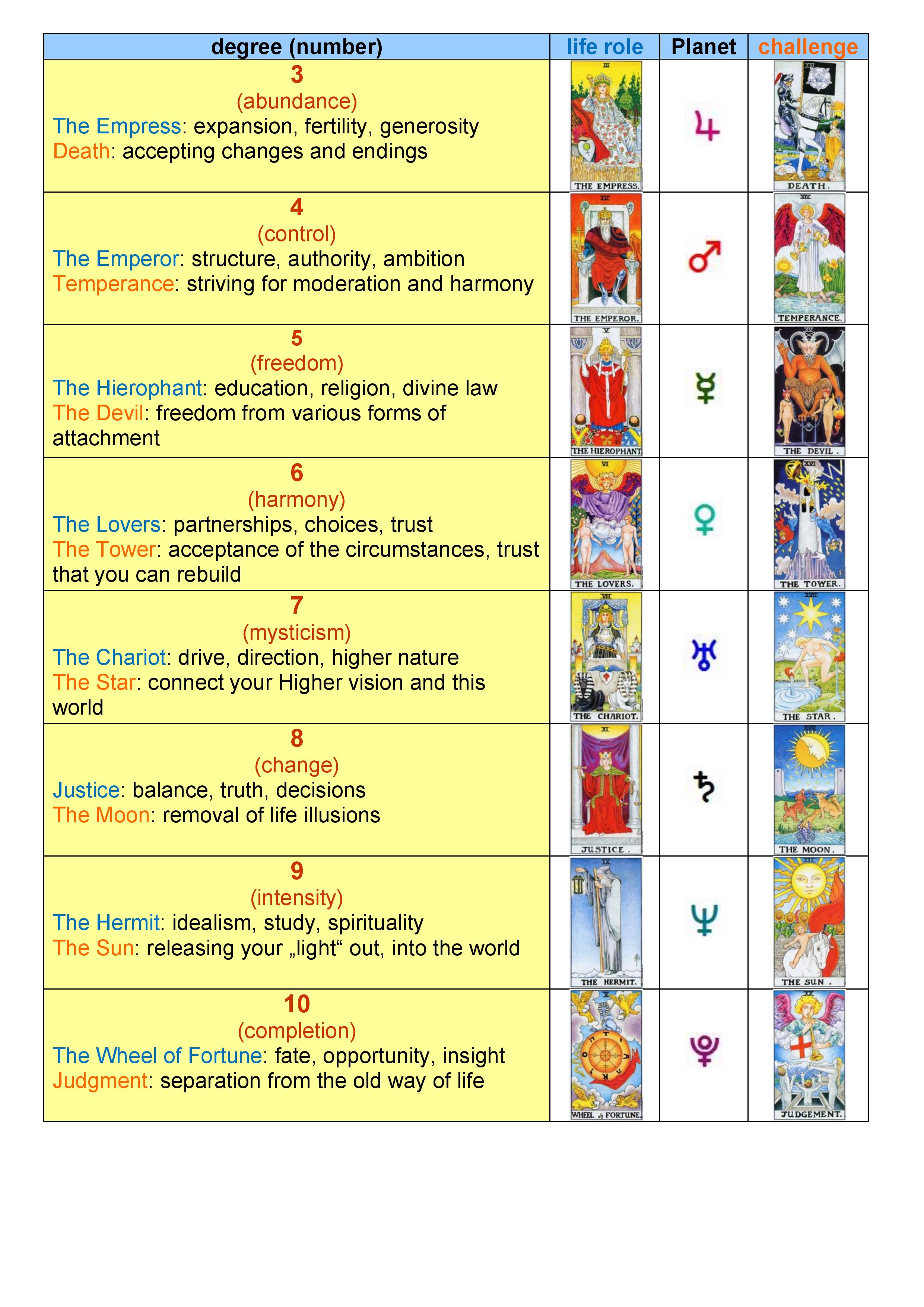
Certain tarot cards are particularly resonant when it comes to emotional healing. The Eight of Cups often appears when you’re ready to leave behind emotional baggage, signaling a step toward self-discovery. The Four of Cups may indicate a moment of introspection, where you’re evaluating your emotional state and deciding what truly matters to you. The Temperance card is a powerful symbol of balance and harmony, suggesting that you’re finding equilibrium in your emotions. Meanwhile, the Queen of Cups reflects emotional maturity and compassion, both for yourself and others. Recognizing these cards in your readings can affirm that you’re on the right path.

Tarot Spreads for Tracking Emotional Progress
Not all tarot spreads are created equal when it comes to healing. A simple three-card spread—representing your past emotional state, present healing stage, and future potential—can provide a snapshot of your journey. For deeper insight, try a seven-card spread that covers themes like self-awareness, emotional release, and personal growth. Another effective spread is the “Healing Journey” layout, which includes cards for acknowledging pain, finding strength, and embracing transformation. These spreads help you visualize your progress and identify areas where you might need to focus your energy.
Interpreting Reversed Cards in the Context of Healing
Reversed tarot cards often carry a negative connotation, but in the context of healing, they can be incredibly revealing. A reversed card might indicate an area where you’re stuck emotionally, such as the Three of Swords reversed, which suggests you’re beginning to release heartache. The Ten of Swords reversed can signal the end of a painful cycle, while the Hermit reversed may point to a need for connection rather than isolation. When interpreting reversed cards, focus on the underlying message—they’re not failures but invitations to explore deeper layers of your emotions.

How to Use Tarot for Daily Emotional Check-Ins
Incorporating tarot into your daily routine can turn it into a powerful self-care ritual. Start by setting an intention for your reading, such as “What do I need to focus on today for my emotional well-being?” Draw a single card each morning or evening and reflect on its message. Over time, you’ll notice recurring themes or cards that resonate with your emotional state. Journaling your interpretations can also help you track patterns and recognize how your feelings evolve. This practice not only keeps you grounded but also reinforces your connection to your inner wisdom.
Common Misconceptions About Tarot and Healing
One of the biggest misconceptions is that tarot can “fix” your emotions. Tarot doesn’t provide instant solutions; instead, it offers perspective and tools to navigate your feelings. Another myth is that you need to be a “psychic” to use tarot effectively—intuition and openness are far more important than any supernatural ability. Some people also believe that certain cards always mean the same thing, but context is key. The same card can have different meanings depending on the question or situation. Understanding these nuances will help you use tarot more effectively in your healing journey.
Creating a Sacred Space for Tarot Readings
Your environment plays a significant role in the energy of your tarot readings. Designate a quiet, clutter-free space where you can focus without distractions. Light a candle, burn incense, or play soft music to set the mood. You might also incorporate crystals like amethyst for intuition or rose quartz for emotional healing. The goal is to create a sanctuary where you feel safe and open to receiving guidance. This ritualistic approach not only enhances your connection to the cards but also reinforces your commitment to emotional growth.
Combining Tarot with Other Healing Modalities
Tarot can be a complementary tool alongside other healing practices like meditation, therapy, or energy work. For example, you might use tarot to prepare for a therapy session by drawing a card that reflects your current emotional state. Alternatively, pair tarot with affirmations—draw a card and then create a positive statement based on its message. You could also integrate tarot into yoga or breathwork by selecting a card that aligns with your intention for the practice. These combinations amplify the healing power of tarot, making it a versatile tool in your wellness toolkit.
Conclusion
Tarot cards are more than just a deck of illustrations—they’re a gateway to deeper self-awareness and emotional healing. By learning to interpret the cards through the lens of your personal journey, you can gain clarity, track your progress, and celebrate your growth. Whether you use tarot for daily check-ins, structured spreads, or reflective journaling, the key is to approach it with an open heart and mind. Remember, healing is not linear, and tarot is here to guide you, not judge you. Embrace the process, trust your intuition, and let the cards illuminate your path to emotional recovery.
Leave a Reply