Short Answer
The number 12 in the tarot holds deep symbolic significance, often representing completion, cosmic order, and the cyclical nature of life. Among the Major Arcana, The Hanged Man (Card XII) stands out as one of the most enigmatic and thought-provoking cards. This guide explores the meaning of The Hanged Man as the 12th tarot card, its upright and reversed interpretations, and the deeper spiritual lessons it offers. Whether you’re a seasoned tarot reader or a curious beginner, understanding this card can provide profound insights into surrender, perspective, and transformation.
The Symbolism of The Hanged Man (Card XII)
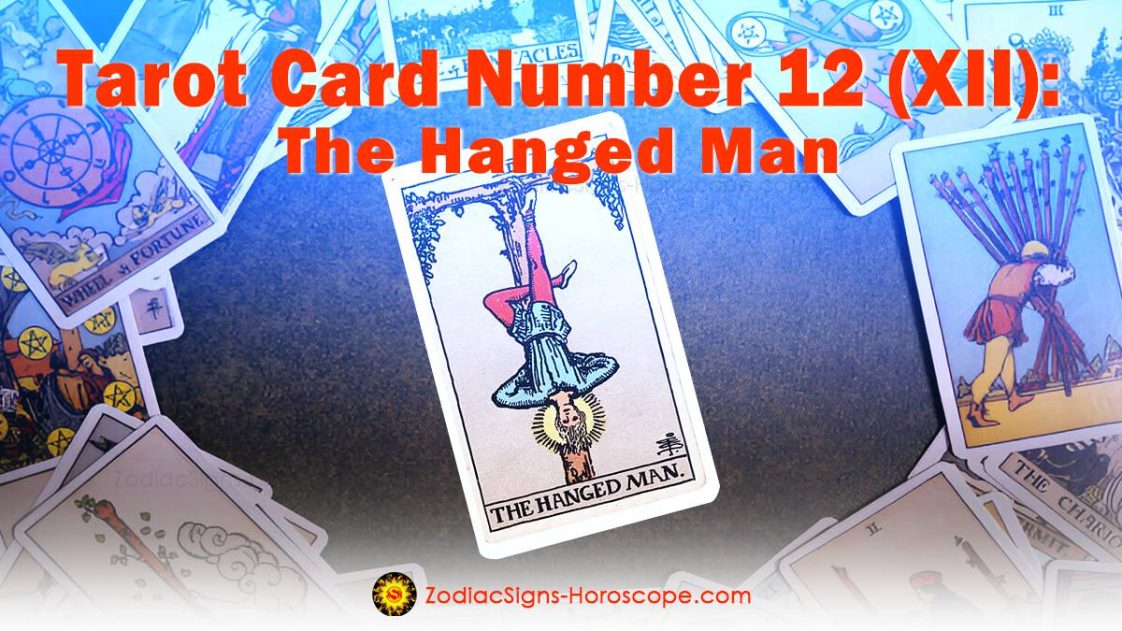
The Hanged Man is a card rich in paradox and symbolism. At first glance, the image of a figure suspended upside-down may seem unsettling, but this is intentional. The figure’s calm demeanor suggests a state of voluntary surrender rather than suffering. The card’s imagery often includes:

- Upside-Down Posture: Represents a shift in perspective, seeing the world from a different angle.
- Halo or Light: Symbolizes enlightenment or a higher understanding gained through stillness.
- Legs Crossed in an “L” Shape: Indicates balance and the union of opposites.
- Serene Expression: Reflects inner peace despite external circumstances.
The number 12 itself is significant in many spiritual traditions. In the tarot, it bridges the end of one cycle (11, Justice) and the beginning of another (13, Death). This placement underscores The Hanged Man’s role as a transitional card, urging the querent to pause and reflect before moving forward.
Upright Meaning: Surrender and New Perspectives
When The Hanged Man appears upright in a reading, it signals a time of voluntary surrender, sacrifice, or a shift in perception. This card encourages you to:
- Pause and Reflect: Instead of forcing outcomes, allow things to unfold naturally. This is not a time for action but for contemplation.
- See Things Differently: The upside-down position suggests that what seems like a setback may actually be an opportunity in disguise.
- Embrace Sacrifice: Sometimes, giving up control or letting go of attachments leads to greater rewards.
- Trust the Process: The Hanged Man teaches that delays or detours are part of a larger plan.
In love readings, this card may indicate a need for patience or a period of waiting before a relationship can progress. In career contexts, it could suggest taking a step back to reassess goals or waiting for the right moment to make a move.
Reversed Meaning: Resistance and Stagnation
When The Hanged Man appears reversed, it often points to resistance, avoidance, or a refusal to see things from a new angle. Key themes include:
- Feeling Stuck: You may be clinging to old patterns or resisting necessary change.
- Martyrdom: The reversed card can indicate unnecessary self-sacrifice or playing the victim.
- Lack of Perspective: You might be too focused on one viewpoint, unable to see alternative solutions.
- Delay Without Purpose: Unlike the upright card, which suggests deliberate pauses, the reversed Hanged Man may indicate wasted time or procrastination.
In relationships, this card reversed can signal a toxic dynamic where one or both parties are unwilling to compromise. In career readings, it may warn against staying in a dead-end job out of fear or stubbornness.

Common Observations and Deeper Reasons for Fascination
Many people are drawn to The Hanged Man because of its counterintuitive message: that surrender can be more powerful than control. This card challenges modern society’s obsession with productivity and constant action, offering a radical alternative—stillness as a form of strength. The fascination also lies in its visual and symbolic depth, which invites multiple interpretations. Some see it as a metaphor for spiritual awakening, while others view it as a psychological tool for breaking free from limiting beliefs.
Another reason for its enduring appeal is its connection to the number 12. In numerology, 12 is a master number associated with harmony, balance, and cosmic order. This aligns with The Hanged Man’s theme of finding meaning in apparent chaos. The card’s duality—appearing both as a challenge and a blessing—makes it a powerful tool for self-reflection.
Practical Applications: How to Work with The Hanged Man
To harness the energy of The Hanged Man in your life, consider the following practices:
- Meditation and Stillness: Spend time in quiet reflection to gain new insights. The card’s message is best understood through introspection.
- Journaling Prompts: Ask yourself, “Where am I resisting change?” or “What would happen if I surrendered control?”
- Creative Expression: Draw, paint, or write about a situation where you felt “hung upside-down.” How did it change your perspective?
- Tarot Journaling: Pull The Hanged Man and explore its message in your current life. What sacrifices or shifts in perception are needed?
For those struggling with decision-making, The Hanged Man advises waiting rather than rushing. Trust that the universe is guiding you, even when the path isn’t clear.
Conclusion
The Hanged Man as the 12th tarot card is a profound reminder that sometimes, the most powerful action is inaction. By surrendering control and adopting a new perspective, you open yourself to deeper wisdom and unexpected blessings. Whether upright or reversed, this card challenges you to look beyond surface-level interpretations and embrace the transformative power of stillness. In a world that glorifies constant motion, The Hanged Man offers a sacred pause—a chance to see life from a new angle and emerge wiser, stronger, and more aligned with your true path.
FAQ
What does The Hanged Man tarot card symbolize?
The Hanged Man symbolizes surrender, new perspectives, and the power of stillness, inviting introspection and reflection.
What does it mean when The Hanged Man appears upright?
When upright, The Hanged Man indicates voluntary surrender, sacrifice, and a shift in perception, urging contemplation rather than action.
What does it mean when The Hanged Man appears reversed?
When reversed, The Hanged Man often signifies resistance, stagnation, or a refusal to see things from a new angle, leading to feelings of being stuck.
Leave a Reply