Short Answer
Ever wondered if the universe has a way of whispering secrets through a deck of illustrated cards? Fortune telling with tarot isn’t just about predicting the future—it’s about tapping into intuition, exploring possibilities, and embracing life’s twists with a touch of mystery. In this guide, we’ll peel back the velvet curtain on tarot reading, revealing what the cards truly predict and how they can serve as a playful mirror to your inner world. Whether you’re a curious beginner or a seasoned enthusiast, prepare to shuffle your perceptions and let the cards guide you through the art of divination.
The Tarot Deck: A Mirror of Life’s Possibilities
The tarot deck is more than a collection of colorful cards—it’s a symbolic language that reflects the human experience in all its complexity. Traditionally consisting of 78 cards, the deck is divided into two main sections: the Major Arcana and the Minor Arcana. The Major Arcana, with 22 cards like The Fool, The Lovers, and Death, represents life’s grand themes and spiritual lessons. These cards often signify pivotal moments or deep transformations in a reading. The Minor Arcana, with 56 cards divided into four suits (Cups, Pentacles, Swords, and Wands), mirrors the everyday events and challenges we face, offering nuanced insights into relationships, finances, decisions, and personal growth.
Each card carries rich imagery and archetypal energy. For instance, The Magician symbolizes manifestation and resourcefulness, while The High Priestess embodies intuition and hidden knowledge. When a card appears in a reading, it doesn’t just predict a fixed outcome—it invites you to reflect on the energies at play and how they resonate with your current situation. The tarot doesn’t dictate your fate; it empowers you to navigate it with awareness and creativity.
How Tarot Cards Predict: Beyond Fortune-Telling
At its core, tarot is a tool for introspection and guidance, not a crystal ball that reveals a predetermined future. The cards act as a catalyst for self-discovery, helping you explore potential paths and hidden influences in your life. When you pose a question to the tarot, you’re essentially asking the universe (or your subconscious) to highlight patterns, challenges, or opportunities you might not have considered. The predictions you receive are more like energetic roadmaps than rigid prophecies.
For example, drawing The Tower card might signal an unexpected upheaval, but it also suggests the possibility of rebuilding on a stronger foundation. Similarly, The Three of Cups often indicates celebration and joy, but it can also hint at social dynamics or the need to nurture relationships. The key lies in interpreting the cards’ messages within the context of your question and your life. Tarot encourages you to see challenges as opportunities for growth and to trust your own judgment in navigating them.
Common Misconceptions About Tarot Predictions
One of the biggest myths about tarot is that it’s a form of fortune-telling that strips away free will. In reality, tarot readings are collaborative—you and the cards co-create meaning based on your intuition and the reader’s interpretation. Another misconception is that the cards always predict doom or gloom. While some cards, like The Ten of Swords, can indicate difficult endings, they often pave the way for renewal and new beginnings. The tarot’s power lies in its ability to reveal both the shadows and the light in any situation.
Some people also believe that tarot readings are only for the spiritually gifted or those with psychic abilities. This couldn’t be further from the truth. Tarot is accessible to anyone willing to engage with its symbolism and reflect on its messages. The more you practice, the more attuned you become to the cards’ meanings and your own intuitive insights. Think of tarot as a conversation starter with your inner self—one that grows richer with each shuffle.
Practical Tips for Reading Tarot Cards
Ready to dive into tarot? Start with a deck that resonates with you. Whether it’s the classic Rider-Waite-Smith or a modern interpretation, choose cards that spark your curiosity. Before a reading, ground yourself by taking a few deep breaths and centering your mind. This helps you approach the cards with clarity and openness. When shuffling, focus on your question or intention—whether it’s about love, career, or personal growth.
There are countless spreads to explore, from the simple three-card spread (past, present, future) to more complex layouts like the Celtic Cross. For beginners, start small. Draw one card daily and reflect on how its message applies to your day. Keep a journal to track your interpretations and notice patterns over time. Remember, there’s no single “right” way to read tarot—trust your instincts and let your intuition guide you.
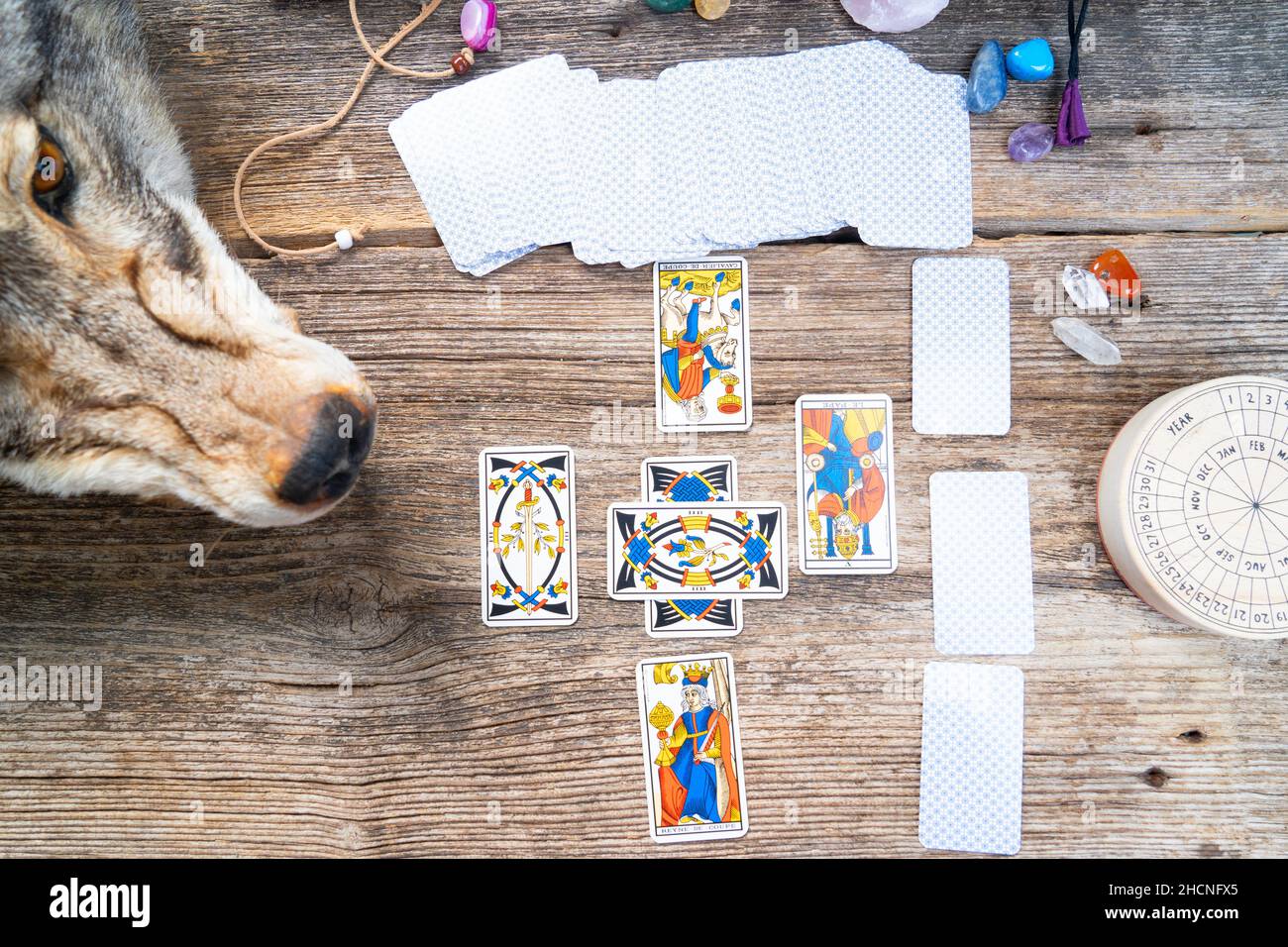
Lighting candles, using crystals, or creating a quiet space can enhance your reading experience, but they’re not essential. The most important element is your willingness to engage with the cards and explore their messages. Don’t be afraid to ask follow-up questions or revisit a reading if something feels unclear. Tarot is a journey, not a destination.
Tarot and the Challenge of Free Will vs. Fate
Here’s a playful challenge: What if the tarot doesn’t predict your future, but instead reveals the future you’re most likely to create based on your current path? This reframing turns tarot into a powerful tool for self-awareness and proactive decision-making. For instance, if you draw The Five of Pentacles, which often signifies financial struggle, the card isn’t dooming you to poverty—it’s highlighting an area where you might need to take action, like budgeting or seeking new opportunities.
The tarot doesn’t remove your agency; it empowers you to make choices that align with your highest good. It’s like having a wise friend who points out the elephant in the room, but leaves the door open for you to decide how to handle it. This perspective shifts tarot from a passive fortune-telling tool to an active guide for personal evolution. So, the next time you draw a card, ask yourself: What can I learn from this? How can I use this insight to shape my path?
Conclusion
Tarot is a dance between mystery and meaning, a practice that blends ancient symbolism with modern introspection. It doesn’t predict your future in black and white terms but instead offers a kaleidoscope of possibilities, challenges, and insights. Whether you’re seeking clarity on a relationship, a career move, or simply exploring the depths of your psyche, the tarot can serve as a playful and profound companion on your journey.
Remember, the cards are a mirror—not a master. They reflect back to you the energies and choices already at play in your life, inviting you to step into your power with awareness and courage. So shuffle the deck, ask your question, and let the cards guide you. After all, the future isn’t set in stone—it’s a canvas waiting for your brushstrokes.
FAQ
What is the purpose of tarot reading?
Tarot reading serves as a tool for self-discovery, helping individuals explore potential paths and gain insights into their lives.
How can I start reading tarot?
Begin by selecting a tarot deck that resonates with you, grounding yourself before readings, and practicing interpretations regularly.
Leave a Reply