Short Answer
This comprehensive guide explores the Fournier Museum in Vitoria, Spain, offering readers an in-depth look at one of the world’s most fascinating collections dedicated to playing cards. From its historical significance to its artistic and cultural impact, you’ll discover what makes this museum a must-visit destination. Whether you’re a history enthusiast, an art lover, or simply curious about the evolution of playing cards, this article covers everything you need to know—including the museum’s unique exhibits, its connection to the Fournier family, and practical tips for planning your visit.
The History and Legacy of the Fournier Museum
The Fournier Museum, located in Vitoria-Gasteiz, Spain, is a treasure trove of playing card history, showcasing over 20,000 items spanning centuries. Founded in 1986, the museum is housed in the historic Casa del Cordón, a 16th-century building that adds to its charm. The collection was originally assembled by the Fournier family, renowned playing card manufacturers, whose legacy dates back to 1870. The museum’s exhibits trace the evolution of playing cards from their origins in ancient civilizations to their modern-day forms, highlighting their role in culture, art, and even espionage.
The Fournier family’s contribution to the world of playing cards is unparalleled. Their factory in Vitoria produced high-quality decks that were exported globally, cementing the city’s reputation as a hub for card manufacturing. Today, the museum preserves this heritage, offering visitors a glimpse into the craftsmanship and artistry behind these seemingly simple objects. The collection includes rare decks from the 15th century, hand-painted cards from the Renaissance, and even decks used for fortune-telling and gambling.
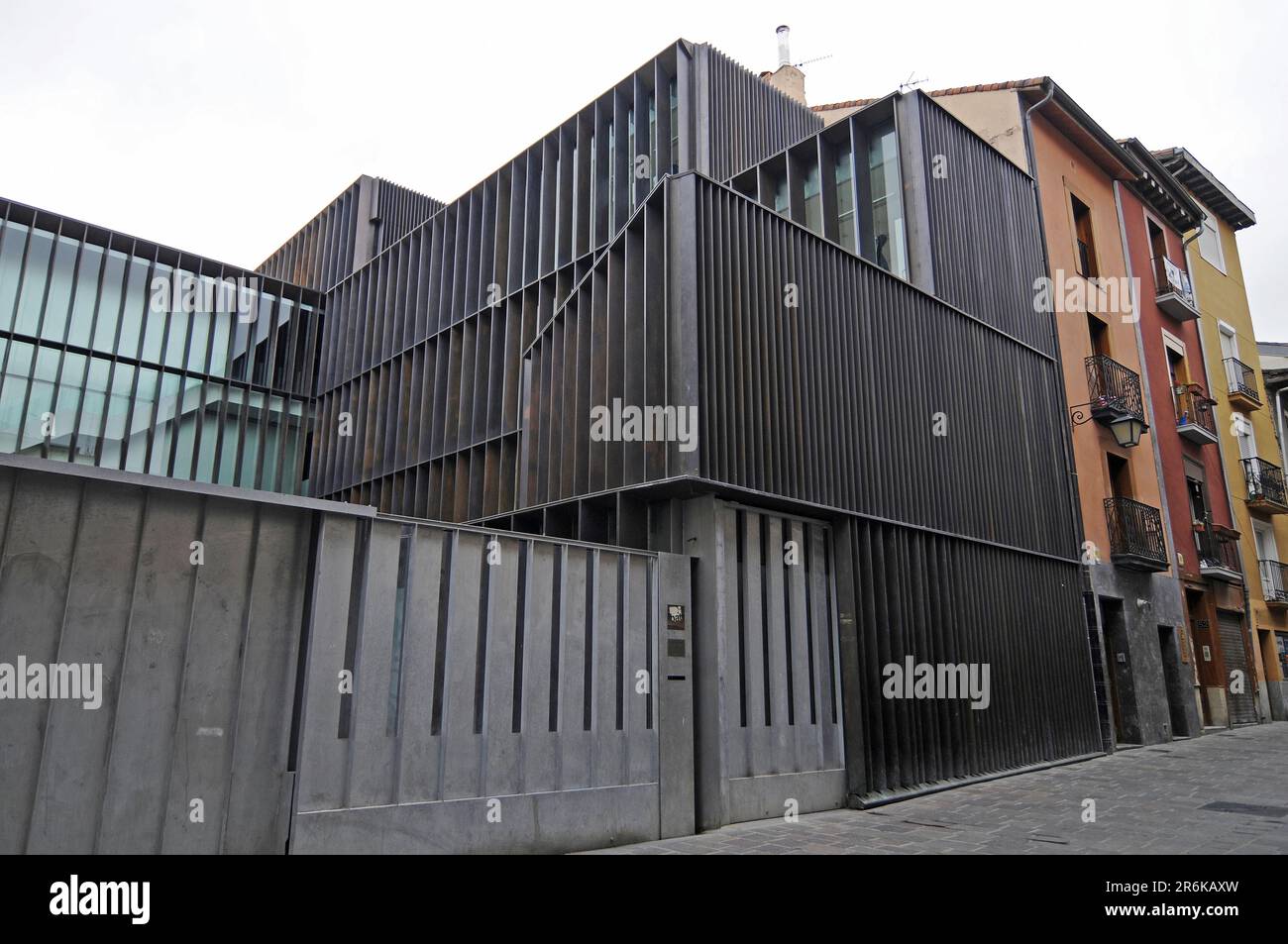
Exploring the Museum’s Exhibits: A Journey Through Time
The Fournier Museum’s exhibits are organized chronologically, allowing visitors to follow the story of playing cards from their earliest forms to contemporary designs. One of the most striking sections features medieval and Renaissance cards, often handcrafted with intricate illustrations. These early decks were not just tools for games but also works of art, reflecting the cultural and religious themes of their time. Visitors can admire cards depicting biblical scenes, mythological figures, and even political satire.
A highlight of the museum is its collection of Spanish playing cards, which are renowned for their vibrant colors and elaborate designs. The museum also showcases decks from other European countries, including France, Italy, and Germany, each with its own unique style. For example, French decks from the 18th and 19th centuries are celebrated for their elegant court cards, while German decks often feature bold, graphic designs. The museum’s global perspective underscores the universal appeal of playing cards and their adaptability across cultures.
Beyond historical artifacts, the Fournier Museum also celebrates the artistic and creative potential of playing cards. Temporary exhibitions often feature contemporary artists who have reimagined cards as a medium for expression. These exhibits challenge traditional notions of playing cards, transforming them into sculptures, installations, and even digital art. This blend of old and new ensures that the museum remains a dynamic space for both education and inspiration.

The Fournier Family and Their Impact on Playing Card Culture
The Fournier family’s influence extends far beyond the walls of the museum. Founded by Heraclio Fournier in 1870, the family’s company became a leader in playing card production, introducing innovations that set new standards for quality and design. Heraclio Fournier’s vision was to create decks that were not only functional but also visually stunning, a philosophy that continues to inspire the museum’s exhibits today.
The museum pays homage to the Fournier family’s legacy through interactive displays that explain the manufacturing process. Visitors can learn about the techniques used to produce playing cards, from hand-painting to modern printing methods. The museum also features a workshop where visitors can try their hand at creating their own deck, offering a hands-on experience that connects them to the craftsmanship of the past. This interactive approach makes the museum accessible to all ages, fostering a deeper appreciation for the art of playing cards.
In addition to their commercial success, the Fournier family was also committed to preserving the cultural significance of playing cards. Their collection of rare and historical decks became the foundation of the museum, ensuring that future generations could explore the rich history of this ubiquitous object. Today, the museum stands as a testament to their dedication, serving as both a cultural institution and a tribute to the enduring appeal of playing cards.
Practical Information for Visitors
Planning a visit to the Fournier Museum is straightforward, but there are a few key details to keep in mind. The museum is located in the heart of Vitoria-Gasteiz, a city known for its medieval charm and vibrant cultural scene. It is easily accessible by public transport, with several bus and train routes stopping nearby. For those driving, parking is available in the city center, though spaces can be limited during peak tourist seasons.
The museum is open Tuesday through Sunday, with extended hours on weekends. Admission is affordable, with discounts available for students, seniors, and groups. Audio guides are provided in multiple languages, including English, making it easy for international visitors to fully appreciate the exhibits. The museum also offers guided tours, which provide deeper insights into the history and significance of the collections. Be sure to check the museum’s website for the latest information on opening hours and special events.
For families visiting with children, the museum offers educational programs and workshops designed to engage young minds. These activities often include storytelling sessions, craft workshops, and interactive games that teach the history of playing cards in a fun and engaging way. The museum’s gift shop is another highlight, offering a variety of souvenirs, including replicas of historical decks, books, and locally made crafts. It’s the perfect place to pick up a unique memento of your visit.

Why the Fournier Museum is a Must-Visit Destination
The Fournier Museum is more than just a collection of playing cards—it’s a celebration of human creativity, history, and culture. Whether you’re drawn by the allure of historical artifacts, the beauty of artistic designs, or the interactive experiences, the museum offers something for everyone. Its blend of education and entertainment makes it an ideal destination for families, couples, and solo travelers alike.
One of the museum’s greatest strengths is its ability to connect visitors to the past while inspiring them to think about the future. The exhibits challenge preconceived notions about playing cards, revealing their role in art, science, and even social change. For example, playing cards have been used as tools for education, propaganda, and even espionage throughout history. The museum’s thoughtful curation ensures that these lesser-known stories are brought to light, enriching the visitor experience.
Beyond its exhibits, the Fournier Museum also serves as a cultural hub for Vitoria-Gasteiz. It hosts lectures, workshops, and temporary exhibitions that explore themes related to playing cards and their broader cultural significance. These events provide opportunities for visitors to engage with experts and fellow enthusiasts, fostering a sense of community around this unique art form. Whether you’re a casual visitor or a dedicated collector, the museum offers endless opportunities for discovery and inspiration.
Conclusion
The Fournier Museum in Vitoria is a hidden gem that offers a captivating journey through the history and artistry of playing cards. From its origins in the Fournier family’s legacy to its modern-day exhibits, the museum provides a comprehensive look at how these seemingly simple objects have shaped cultures around the world. Whether you’re fascinated by history, art, or craftsmanship, the Fournier Museum promises an experience that is both educational and enchanting. Plan your visit today and discover the magic of playing cards in a whole new light.
FAQ
What is the Fournier Museum?
The Fournier Museum is a museum in Vitoria-Gasteiz, Spain, dedicated to the history and art of playing cards.
What can visitors expect to see at the museum?
Visitors can explore a vast collection of over 20,000 items, including historical decks and contemporary art inspired by playing cards.
When is the museum open?
The museum is open Tuesday through Sunday with extended hours on weekends.
Leave a Reply