Short Answer
Welcome to a journey into the mysterious and evocative world of Haunted Tarot Meanings: Messages from the Unknown. In this guide, you’ll explore the deeper symbolism, historical roots, and practical applications of haunted tarot decks. Whether you’re a seasoned tarot reader or a curious newcomer, this resource will illuminate the eerie, intuitive, and transformative power of tarot cards that resonate with the supernatural. From understanding the psychological underpinnings of these decks to interpreting their haunting imagery, you’ll gain insights that bridge the gap between the seen and unseen. Prepare to uncover the secrets whispered by the cards and discover how they can guide you through life’s most perplexing questions.
Understanding Haunted Tarot Decks: Origins and Evolution
Haunted tarot decks are not just tools for divination; they are gateways to the subconscious, often infused with themes of the macabre, the mystical, and the otherworldly. These decks draw inspiration from folklore, gothic literature, and esoteric traditions, creating a visual and symbolic language that speaks to the darker aspects of human experience. The origins of haunted tarot can be traced back to the 18th and 19th centuries, when occultists like the Hermetic Order of the Golden Dawn began experimenting with tarot as a means of exploring the hidden realms of the psyche. Over time, artists and creators have reimagined traditional tarot imagery, infusing it with themes of hauntings, curses, and spectral encounters.

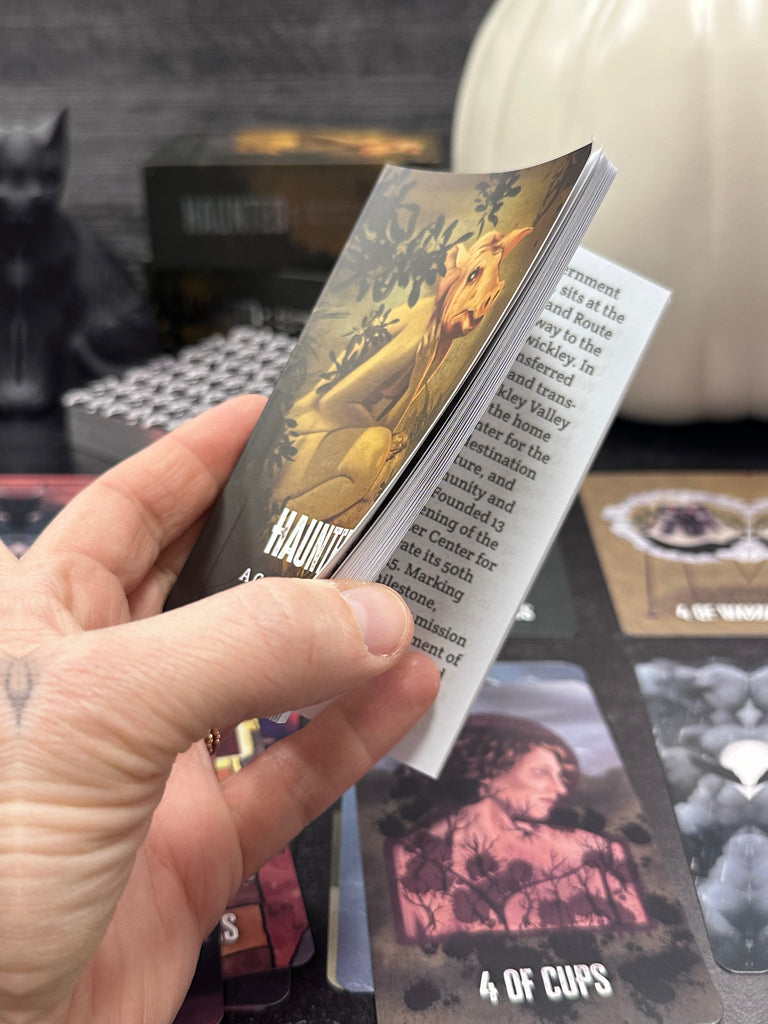
One of the most striking examples of a haunted tarot deck is the Haunted: A Cursed Appalachian Tarot Deck, which blends Appalachian folklore with tarot symbolism. This deck features eerie illustrations that evoke the misty mountains and forgotten legends of the region, making it a powerful tool for those drawn to the mystique of Southern Gothic tales. By understanding the historical and cultural context of these decks, readers can better appreciate the layers of meaning embedded in each card.
Key Themes in Haunted Tarot: Symbolism and Interpretation
Haunted tarot decks are rich with symbolism that taps into universal fears, desires, and archetypes. Some of the most common themes include:
- Death and Rebirth: Often represented by skeletal figures or decaying landscapes, these cards symbolize transformation and the inevitability of change.
- Shadow Selves: Cards like The Devil or The Hanged Man may represent repressed emotions or aspects of the self that are difficult to confront.
- Hauntings and Spirits: Figures of ghosts, apparitions, or spectral hands often appear in haunted tarot, suggesting unresolved issues or lingering energies.
- Curses and Hexes: Cards like The Tower or Ten of Swords may depict sudden upheavals or karmic retribution, reflecting the idea of being “cursed” by past actions.
- Intuition and the Supernatural: The Moon card, for example, is frequently reimagined in haunted tarot as a guide to navigating the unknown and trusting one’s instincts.
For instance, in the Tattoo Tarot Deck: Ink & Intuition, the imagery is deeply personal and visceral, with tattoos serving as a metaphor for the indelible marks left by life’s experiences. This deck encourages readers to see their struggles and triumphs as part of a larger, often haunting, narrative. By familiarizing yourself with these themes, you can develop a more nuanced understanding of how haunted tarot cards reflect the complexities of the human experience.

Practical Applications: How to Use Haunted Tarot in Readings
Haunted tarot decks can be used in a variety of ways, depending on the reader’s intent and the deck’s unique symbolism. Here are some practical applications to consider:
- Shadow Work: Use haunted tarot to explore your inner demons, fears, or unresolved traumas. Cards like The Hermit or The Tower can serve as mirrors, reflecting aspects of yourself that need healing.
- Spirit Communication: Some readers believe that haunted tarot decks can act as a bridge to the spirit world. Lay out a spread and ask for messages from ancestors, spirit guides, or even the deck itself.
- Predictive Readings: While haunted tarot is often associated with introspection, it can also be used for predictive readings. Cards like The Wheel of Fortune or The Star may reveal future trends or hidden influences.
- Creative Inspiration: Artists, writers, and musicians often turn to haunted tarot for inspiration. The eerie imagery can spark new ideas or serve as a muse for creative projects.
- Rituals and Spells: Some practitioners incorporate haunted tarot into rituals, using the cards to focus intentions or banish negative energies. For example, placing The Devil card under a candle during a banishing ritual can amplify the effect.
When conducting a reading, it’s important to approach the deck with an open mind and a willingness to confront the unknown. Haunted tarot often reveals truths that are uncomfortable or challenging, but these insights can be incredibly liberating. For example, pulling The Moon card in a spread might indicate a need to trust your intuition, even when the path ahead feels uncertain.
Comparing Haunted Tarot Decks: Finding the Right Fit
Not all haunted tarot decks are created equal. Each deck has its own unique aesthetic, symbolism, and energy, making it essential to find one that resonates with your personal journey. Here’s a comparison of some notable decks:
| Deck Name | Theme | Best For |
|---|---|---|
| Haunted: A Cursed Appalachian Tarot Deck | Southern Gothic folklore, curses, and hauntings | Those drawn to regional folklore and eerie landscapes |
| Wild Unknown Tarot | Nature-based symbolism with a dark, intuitive edge | Readers who prefer minimalist, nature-inspired imagery |
| Tattoo Tarot Deck: Ink & Intuition | Body art as a metaphor for life’s marks and transformations | Those interested in personal symbolism and transformation |
When choosing a deck, consider the imagery that speaks to you on a deep level. Do you feel drawn to the misty mountains of Appalachia, the stark beauty of nature, or the visceral storytelling of tattoos? Your connection to the deck’s aesthetic will enhance your readings and make the experience more meaningful.
Interpreting Haunted Tarot Cards: A Step-by-Step Guide
Interpreting haunted tarot cards requires a blend of intuition, symbolism, and context. Here’s a step-by-step guide to help you unlock the messages within the cards:
- Observe the Imagery: Take a moment to study the card’s visual elements. Note the colors, figures, and symbols present. For example, a card depicting a ghostly figure might suggest unresolved emotions or a lingering presence.
- Consider the Card’s Traditional Meaning: While haunted tarot decks often reinterpret traditional meanings, it’s helpful to start with the classic interpretations. For instance, The High Priestess traditionally represents intuition and hidden knowledge, which aligns well with the themes of haunted tarot.
- Connect to Your Intuition: Haunted tarot is deeply personal. Ask yourself how the card makes you feel. Does it evoke fear, curiosity, or a sense of déjà vu? Your emotional response is a key to unlocking its meaning.
- Look for Patterns: In a spread, pay attention to recurring themes or symbols. For example, if The Tower appears multiple times, it might indicate a significant upheaval or revelation in your life.
- Journal Your Insights: Keep a tarot journal to record your interpretations and any synchronicities you notice. Over time, you’ll develop a personal lexicon of meanings that resonate with you.
For example, pulling The Death card in a haunted tarot reading might initially evoke fear, but in the context of transformation, it could signify the end of a difficult phase and the beginning of something new. The key is to remain open to the card’s message, even if it challenges your preconceptions.
Conclusion
Haunted tarot decks offer a unique and powerful way to explore the unknown, confront your shadows, and connect with the deeper layers of your psyche. Whether you’re drawn to the eerie landscapes of Appalachia, the raw symbolism of tattoos, or the intuitive beauty of nature-based decks, these cards provide a rich tapestry of meaning to guide your journey. By understanding the origins, themes, and practical applications of haunted tarot, you can unlock its full potential as a tool for divination, healing, and self-discovery. Embrace the mystery, trust your intuition, and let the haunted tarot reveal the messages that await you in the unknown.
FAQ
What is haunted tarot?
Haunted tarot refers to tarot decks that incorporate themes of the supernatural and the macabre, often reflecting deeper psychological and mystical insights.
How can I use haunted tarot in my readings?
Haunted tarot can be used for shadow work, spirit communication, predictive readings, creative inspiration, and in rituals or spells.

Leave a Reply