Short Answer
In this guide, you’ll explore the rare but profound concept of the Death Tarot card representing actual death—a topic shrouded in metaphor yet deeply rooted in human experience. You’ll uncover the symbolic layers of transformation, endings, and rebirth that the card embodies, while also examining its literal interpretations in tarot readings. Whether you’re a seasoned tarot enthusiast or a curious newcomer, this exploration will illuminate the card’s dual nature: a harbinger of literal mortality and a catalyst for profound personal evolution.
The Death Tarot Card: More Than Just an End
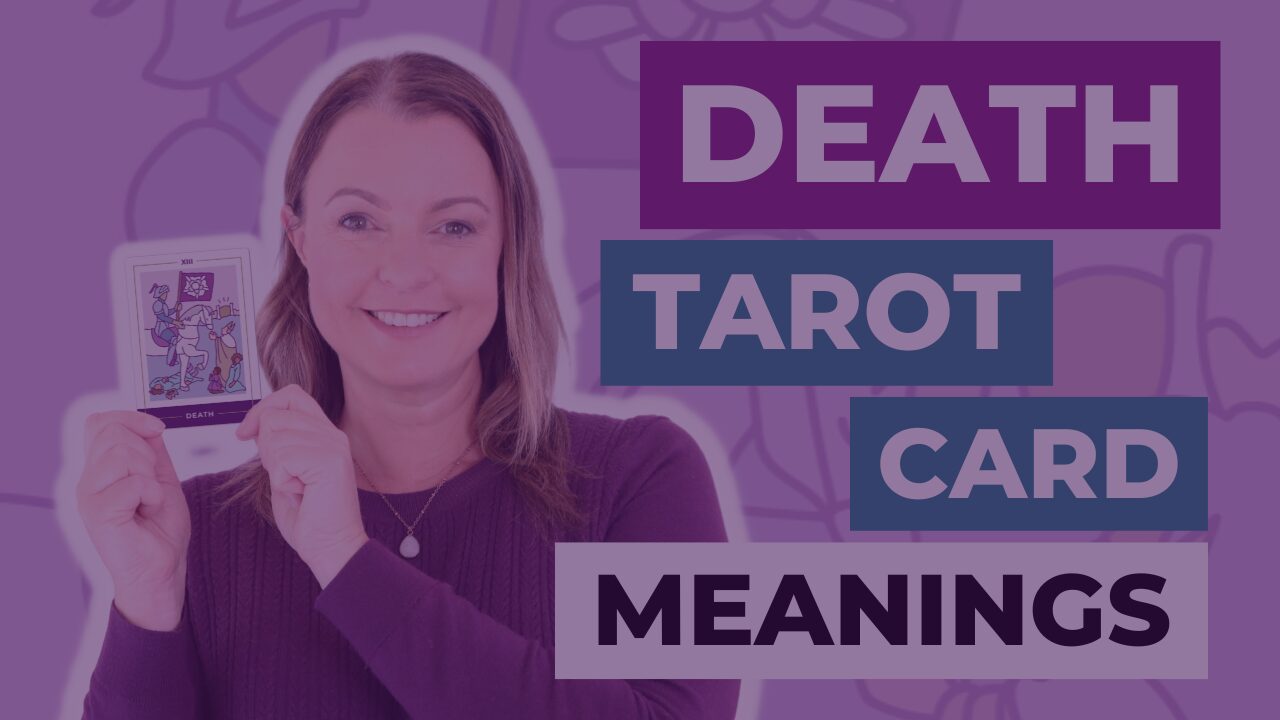
The Death Tarot card, often numbered XIII in the Major Arcana, is one of the most misunderstood cards in the deck. Its skeletal figure, often depicted riding a white horse and holding a black flag, evokes fear and finality. Yet, in most tarot interpretations, Death does not signify physical demise but rather the end of a cycle, a transformation, or a shedding of old habits. However, there are rare instances where the card’s message transcends metaphor, touching on the literal—actual death.

When Death appears in a reading, it may signal the conclusion of a significant phase in life, such as the end of a relationship, career, or personal identity. This transition, while painful, paves the way for renewal. The card’s imagery—decay and rebirth—mirrors nature’s cycles, reminding us that endings are necessary for growth. Yet, in some contexts, especially when paired with other ominous cards or in readings focused on health or aging, Death can hint at mortality itself, urging reflection on life’s impermanence.
When Death Points to Literal Mortality
While tarot is primarily a tool for self-reflection and guidance, its symbolism can occasionally intersect with literal interpretations. In readings focused on health, aging, or existential crises, the Death card may serve as a stark reminder of life’s fragility. This is not to say the card is a death sentence—tarot does not predict the future with certainty—but rather that it highlights the inevitability of change, including the ultimate transition.
For those facing terminal illness or grieving a loss, the Death card can appear as a validation of their emotions, a space to acknowledge fear and prepare for what lies ahead. It may also serve as a prompt to live more fully in the present, embracing each moment before the next inevitable cycle begins. The card’s message is not one of despair but of acceptance and preparation, urging the querent to confront their mortality with courage.

The Metaphorical Power of Death: A Catalyst for Change
Beyond its literal implications, the Death card’s metaphorical power is its most compelling aspect. It represents the death of the ego, the shedding of outdated beliefs, and the embrace of a new self. This card often appears during major life upheavals—divorce, career shifts, or spiritual awakenings—where the old must make way for the new. The imagery of decay and renewal underscores the idea that growth requires sacrifice.
In a reading, Death can signal the need to let go of toxic relationships, self-destructive patterns, or limiting mindsets. It challenges the querent to release what no longer serves them, even if it feels painful. The card’s energy is not destructive but regenerative, akin to the forest fire that clears the way for new growth. This duality—destruction and creation—is what makes Death one of the most dynamic cards in the tarot deck.

How to Interpret Death in a Reading
Interpreting the Death card requires context. If it appears in a spread focused on personal growth, it likely signals transformation rather than literal death. Ask yourself: What old habits, relationships, or beliefs am I being called to release? The card may also indicate a significant external change, such as a move, a new phase in life, or a spiritual awakening.
However, if the reading pertains to health or aging, Death’s appearance may warrant deeper reflection. It could be a sign to prioritize self-care, confront fears about mortality, or seek closure in unresolved matters. The card’s energy is not to be feared but understood as a natural part of life’s rhythm. By acknowledging its message, you can navigate transitions with greater clarity and resilience.
Conclusion
The Death Tarot card is a paradox—a symbol of both literal and metaphorical endings. While its rare literal interpretations remind us of life’s impermanence, its metaphorical power offers a pathway to renewal and growth. Whether it appears in a reading as a harbinger of change or a gentle nudge toward acceptance, Death challenges us to confront our fears, release what no longer serves us, and embrace the inevitable cycles of life. In doing so, it becomes not a card of despair, but one of profound transformation and rebirth.
FAQ
What does the Death Tarot card represent?
The Death Tarot card symbolizes the end of a cycle and transformation, not necessarily actual death.
In what context does the Death card indicate literal death?
The Death card may suggest literal death in readings focused on health or significant life changes, especially when paired with other cards.
What should you do if you draw the Death card?
Consider the context of your reading; it often suggests letting go of old patterns or preparing for significant changes.
Leave a Reply