Short Answer
The Hierophant in tarot often represents tradition, structure, and spiritual guidance—but in relationships, this card can be a double-edged sword. Is your partnership built on deep-rooted stability, or is it trapped in rigid patterns that stifle growth? This guide explores the Hierophant’s dual role in love, helping you discern whether your relationship is a foundation for wisdom or a cage of stagnation. You’ll learn how to recognize the signs of a healthy Hierophant dynamic, navigate its challenges, and cultivate a bond that honors tradition while embracing evolution.
The Hierophant as a Symbol of Stability in Relationships
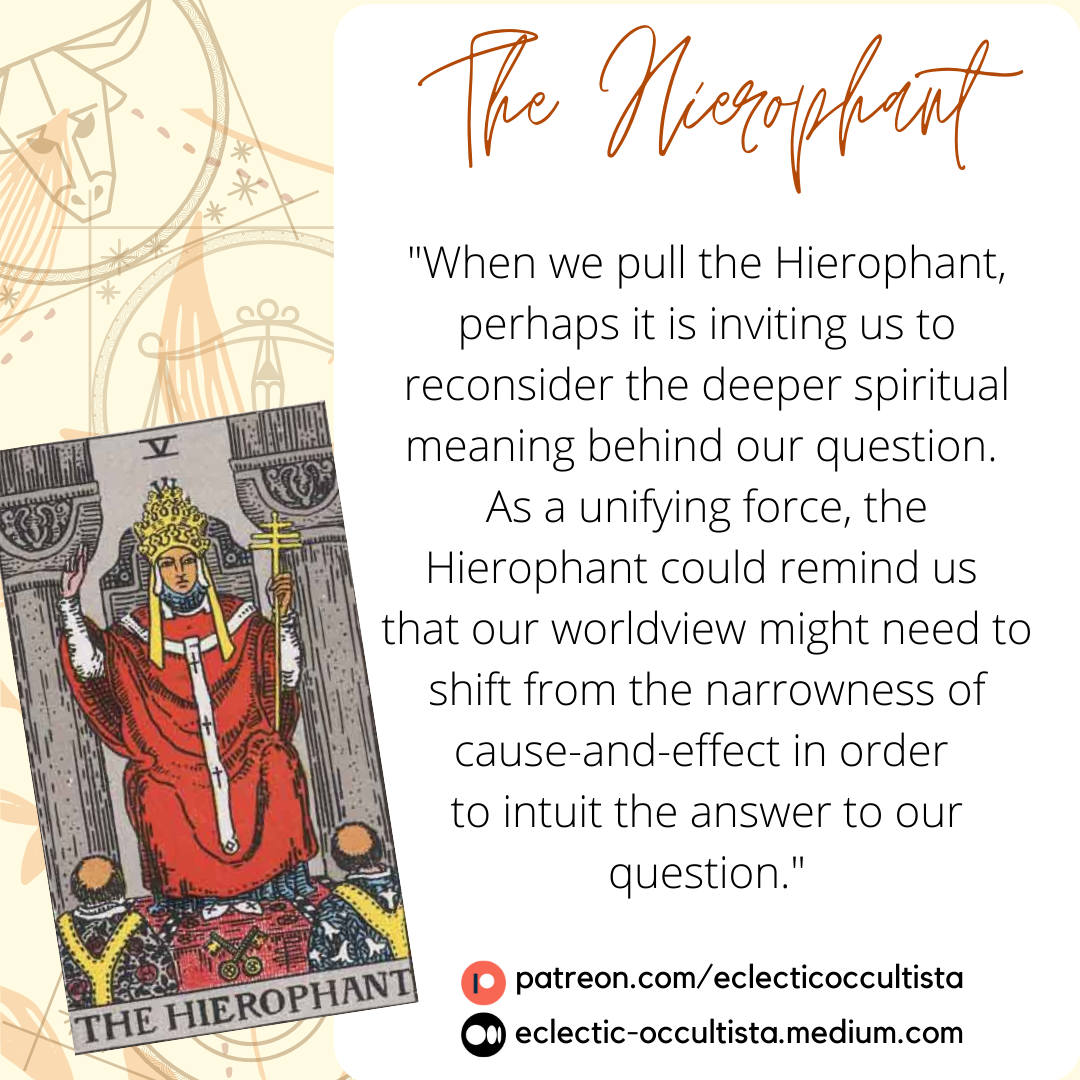
The Hierophant is the bridge between the divine and the earthly, often depicted as a spiritual leader or mentor. In relationships, this card embodies the qualities of commitment, shared values, and long-term security. When the Hierophant appears in a love reading, it suggests a partnership grounded in mutual respect, tradition, and a clear moral or philosophical alignment. Couples under this card’s influence often prioritize stability over spontaneity, valuing rituals, routines, and a sense of permanence.
This stability can manifest in practical ways, such as shared financial goals, religious or spiritual practices, or a mutual dedication to family traditions. For example, a couple who celebrates anniversaries with the same annual trip or attends religious services together may be reflecting the Hierophant’s energy. The card’s presence reassures that the relationship is built on a solid framework, reducing anxiety about uncertainty. However, this very stability can become a double-edged sword if it morphs into rigidity.
When the Hierophant Becomes a Trap: Recognizing Stagnation
While the Hierophant’s stability is valuable, it can also create a sense of being “stuck” if the relationship resists change. The card’s emphasis on tradition and external authority (e.g., societal norms, religious doctrine, or family expectations) may lead to a dynamic where growth is stifled. For instance, a couple might stay together out of duty rather than love, clinging to outdated roles or beliefs that no longer serve them. This is especially common in long-term relationships where comfort has replaced passion, and routine has replaced exploration.
Signs that the Hierophant’s energy has turned restrictive include:
- Fear of Breaking Norms: Avoiding necessary conversations about change because “it’s not how things are done.”
- Lack of Individuality: One or both partners suppressing personal growth to maintain the status quo.
- External Validation Over Internal Connection: Prioritizing appearances (e.g., staying married for social status) over authentic emotional intimacy.
- Resistance to New Experiences: Dismissing new hobbies, beliefs, or lifestyles as “frivolous” or “wrong.”
If these patterns sound familiar, the Hierophant’s shadow side may be at play—trapping you in a relationship that feels safe but ultimately unfulfilling.
The Role of Authority in Hierophant Relationships
The Hierophant’s association with authority—whether from a spiritual leader, a parent, or societal expectations—can deeply influence romantic dynamics. In healthy relationships, this authority is shared and consensual, with both partners agreeing on core values and boundaries. For example, a couple might jointly decide to follow certain religious practices or financial principles, feeling empowered by their choices rather than constrained.
However, authority can become oppressive when it’s imposed unilaterally. This might look like one partner dictating the terms of the relationship based on their beliefs, dismissing the other’s needs, or using tradition as a weapon (“We’ve always done it this way, so you must comply”). In such cases, the Hierophant’s energy shifts from a guiding force to a controlling one, eroding trust and autonomy.
To balance authority in a relationship, consider these steps:
- Open Dialogue: Discuss the origins of your shared values. Are they truly yours, or inherited from family or culture?
- Flexibility: Allow room for individual interpretations of tradition. For example, celebrating holidays in new ways that resonate with both partners.
- Mutual Respect: Ensure that rules and expectations are agreed upon, not dictated. A relationship thrives when both parties feel heard.
Hierophant Relationships and Spiritual Growth
One of the Hierophant’s most profound gifts is its connection to spiritual growth. In love, this can mean a relationship that serves as a vessel for deeper wisdom, shared enlightenment, or a journey toward higher consciousness. Couples who meditate together, study sacred texts, or explore metaphysical practices often find that their bond transcends the physical, offering a sense of purpose and unity.
However, spiritual growth within a Hierophant relationship requires intentionality. Without active participation from both partners, the relationship may become dogmatic rather than enlightening. For example, attending the same church every Sunday without personal reflection or discussion can lead to a hollow ritual rather than a shared spiritual path. To avoid this, prioritize:
- Personal Exploration: Encourage each other to ask questions, seek knowledge, and grow individually.
- Shared Rituals with Meaning: Create traditions that hold personal significance, such as a monthly gratitude journal or a yearly retreat.
- Non-Judgmental Support: Allow space for differing beliefs or doubts without fear of rejection.
When both partners engage with the Hierophant’s spiritual aspects mindfully, the relationship becomes a sanctuary for growth rather than a museum of past traditions.

Breaking Free: Transforming a Stuck Hierophant Relationship
If you’ve identified that your relationship is leaning too heavily into the Hierophant’s restrictive side, transformation is possible—but it requires courage and self-awareness. Start by asking yourself and your partner hard questions: What traditions or beliefs no longer serve us? Where have we sacrificed our individuality for the sake of comfort? Are we staying together out of love or fear?
Next, introduce small acts of rebellion against stagnation. This might mean trying a new activity together, revisiting old dreams you’d set aside, or simply having a conversation about what’s missing. The goal isn’t to dismantle the relationship’s foundation but to reinforce it with authenticity. For example, if you’ve always celebrated holidays a certain way but now feel uninspired, brainstorm new traditions that excite both of you.
In some cases, the Hierophant’s energy may signal that the relationship has run its course. If the rigidity feels suffocating and neither partner is willing to adapt, it may be time to part ways. Ending a relationship built on tradition isn’t failure; it’s a courageous step toward growth. Trust that the Hierophant’s lessons—even the painful ones—will guide you toward a more fulfilling path.
Conclusion
The Hierophant in relationships is a complex figure: a guardian of stability and a potential jailer of stagnation. Its energy can provide the structure needed for deep, lasting love, but it can also trap couples in cycles of rigidity, fear, and unexamined tradition. The key to harnessing the Hierophant’s power lies in balance—honoring the past while remaining open to the future, respecting authority while preserving individuality, and cherishing tradition without letting it become a prison.
Ask yourself: Is your relationship a sanctuary of wisdom and growth, or a museum of outdated patterns? The answer may evolve over time, and that’s okay. What matters is that you approach the Hierophant’s lessons with honesty and intention, ensuring that your love story is one of both depth and dynamism.
FAQ
What does the Hierophant card mean in relationships?
The Hierophant card in relationships symbolizes tradition, stability, and spiritual guidance, but it can also indicate stagnation if rigid patterns are followed.
How can I identify if my relationship is stuck in Hierophant energy?
Signs include fear of breaking norms, lack of individuality, and prioritizing external validation over emotional connection.
Leave a Reply