Short Answer
Embarking on your tarot journey can feel overwhelming, but this guide will transform your approach from novice hesitation to confident interpretation. You’ll discover how to shift your perspective, decode symbols with ease, and cultivate a deeper connection with the cards—even as a beginner. By the end, you’ll see tarot not just as a tool, but as a mirror reflecting your intuition and the hidden currents of life. Let’s dive into the art of reading tarot like a pro, starting with the foundations and building up to advanced techniques that will surprise and inspire you.
Understanding the Tarot Deck: More Than Just Cards
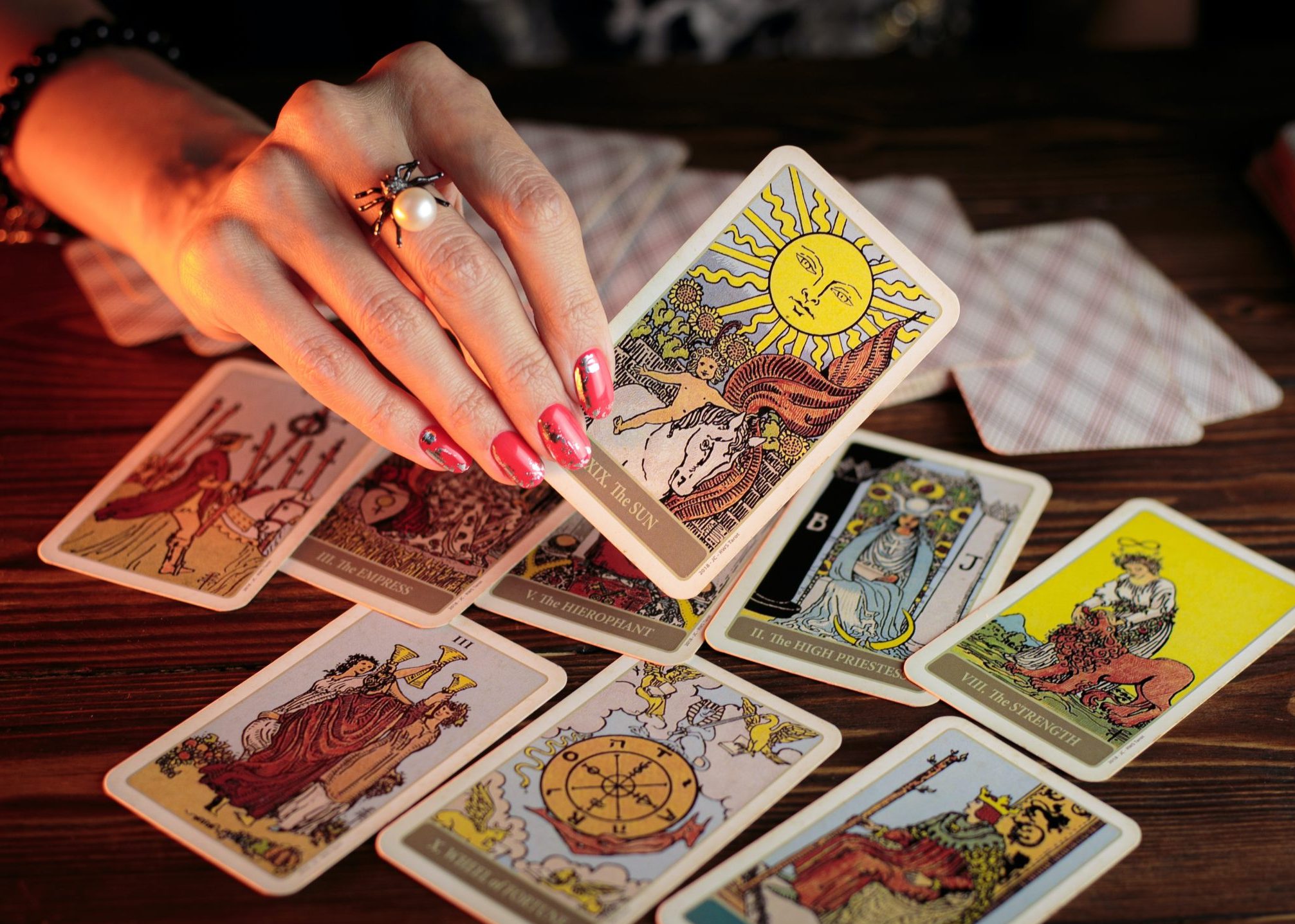
The tarot deck is a symbolic universe waiting to be explored. Unlike a simple fortune-telling tool, it’s a visual language that speaks to your subconscious. A standard deck has 78 cards divided into two main groups: the Major Arcana (22 cards representing life’s big themes) and the Minor Arcana (56 cards reflecting everyday experiences). Each card is rich with imagery—from the Fool’s leap of faith to the Ten of Swords’ dramatic finale—inviting you to pause and reflect. Start by familiarizing yourself with the Major Arcana first; these cards often carry the most profound messages and act as guideposts in readings. As you flip through the deck, notice how the images resonate with your emotions or current life situations. This isn’t about memorization—it’s about letting the symbols spark your intuition. The more you engage with the imagery, the more the cards will reveal themselves to you.
Shifting Your Perspective: From Predictions to Insights
One of the biggest misconceptions about tarot is that it offers fixed predictions. In reality, tarot is a tool for insight, not destiny. The cards don’t dictate your future; they highlight patterns, energies, and possibilities. To interpret them like a pro, shift your focus from “What will happen?” to “What can I learn from this?” For example, pulling the Three of Cups might suggest a celebration or reconnection, but it could also hint at overindulgence or superficial relationships. The key is to ask open-ended questions that encourage reflection, such as, “What lesson is this situation teaching me?” or “How can I align with the energy of this card?” This mindset turns readings into a dialogue with your higher self, where curiosity replaces fear and uncertainty becomes a playground for growth.
Decoding the Language of Symbols: Your Secret Weapon
Tarot cards are visual poetry, and every element—colors, objects, and even the card’s position—holds meaning. Start by breaking down a card’s symbolism into three layers: the foreground (main figures), the background (setting), and the colors (emotional tone). For instance, the High Priestess is draped in blue (intuition) and sits between two pillars (duality), while a stormy sky in the background might hint at hidden turmoil. Don’t overcomplicate it; even small details like a raised hand or a downward gaze can shift the card’s message. Keep a journal to track recurring symbols in your readings. Over time, you’ll notice patterns—perhaps roses (love) appear when relationships are in focus, or swords (conflict) show up during decision-making phases. This practice trains your eye to see beyond the surface and uncover deeper layers of meaning.
Reading Beyond the Cards: The Power of Intuition
While traditional interpretations provide a solid foundation, your intuition is the bridge to truly insightful readings. After laying out a spread, take a deep breath and let your mind wander. Notice which cards make your heart race or your palms tingle—these are often the ones carrying the most personal significance. Trust your gut reactions, even if they contradict guidebook meanings. For example, the Death card might traditionally signal transformation, but if it feels heavy or ominous to you, explore why. Is it reflecting a fear of change, or is it warning of stagnation? Intuition thrives in the gray areas, where logic falls short. To strengthen this skill, practice with simple one-card pulls. Draw a card daily and jot down your first impressions without consulting a guide. You’ll be amazed at how quickly your intuitive hits align with the cards’ traditional meanings.
Crafting Spreads That Reveal Hidden Truths
A spread is like a map—it guides your interpretation, but it shouldn’t limit it. While the Celtic Cross is a classic, don’t hesitate to create your own spreads tailored to specific questions. For instance, a “Clarity Spread” with three cards (past, present, future) can help untangle a confusing situation, while a “Shadow Work Spread” with positions like “What I hide” or “What I need to embrace” can dive into self-discovery. The key is to keep spreads simple at first. A three-card spread (past-present-future) is perfect for beginners, while a five-card spread (situation-obstacle-advice-external influences-outcome) adds depth. As you grow, experiment with positions that resonate with your intuition. Remember, the cards are tools, not rules—your unique perspective is what makes a reading powerful.

Common Pitfalls and How to Avoid Them
Even seasoned readers stumble, but knowing the traps can save you time and frustration. One of the biggest mistakes is over-reliance on guidebooks. While they’re helpful for beginners, memorizing meanings by rote can stifle your intuition. Instead, use them as a starting point, then let your personal connection to the cards guide you. Another pitfall is reading for others too soon. Tarot is deeply personal, and projecting your interpretations onto someone else’s life can lead to misalignment. If you must read for others, frame the cards as “energies” rather than fixed predictions. Lastly, avoid reading when emotionally drained or distracted. Tarot thrives in a state of calm focus—if your mind is cluttered, the messages will be too. Take a few deep breaths before shuffling, and set an intention to remain open and neutral.
Conclusion: Your Tarot Journey Starts Now
Tarot is less about mastery and more about exploration—a lifelong dance between symbolism, intuition, and self-discovery. As you continue to pull cards, ask deeper questions, and trust your instincts, you’ll find that the deck becomes a trusted companion, offering clarity in chaos and curiosity in the mundane. Remember, there’s no “right” way to read tarot. Whether you’re drawn to the dramatic imagery of the Tower or the gentle wisdom of the Star, each card is an invitation to see the world—and yourself—differently. So shuffle your deck, pull a card, and let the journey unfold. The answers you seek are already within you; the tarot is just the mirror.
FAQ
What is tarot?
Tarot is a deck of cards used for divination, self-reflection, and insight, consisting of the Major and Minor Arcana.
How can beginners start reading tarot?
Beginners can start by familiarizing themselves with the deck, practicing with simple spreads, and trusting their intuition.
What are common mistakes in tarot reading?
Common mistakes include over-reliance on guidebooks, reading for others too soon, and approaching readings with a cluttered mind.
Leave a Reply