Short Answer
Embark on a mystical journey into the realm of love tarot meanings, where each card whispers secrets of your heart’s deepest desires, hidden fears, and the cosmic dance of relationships. Whether you’re seeking clarity in a budding romance, navigating the complexities of a long-term partnership, or deciphering the enigmatic signals of a crush, the tarot offers a mirror to your soul’s yearnings. In this guide, you’ll uncover the profound symbolism behind each card, learn how to interpret their messages in the context of love, and discover how to harness their wisdom to illuminate your romantic path. Prepare to see your relationships through a lens of ancient intuition and modern insight—where every spread becomes a story, and every card, a chapter waiting to be read.
The Lovers: A Dance of Destiny and Choice
The Lovers card is the tarot’s most iconic symbol of love, but its meaning transcends mere romance. It represents harmony, alignment, and the choices we make when our hearts are at stake. In a love reading, this card often signifies a deep connection—whether it’s a soulmate bond, a transformative relationship, or a moment of reckoning where you must choose between passion and practicality. The imagery of Adam and Eve beneath the angel Raphael (or sometimes, the Greek god Hermes) suggests that love is not just about emotion but about integration—balancing desire with wisdom. If The Lovers appear in your spread, ask yourself: Are you embracing this connection with open arms, or are you hesitating at a crossroads? The card urges you to trust your intuition and follow the path that resonates with your highest self.
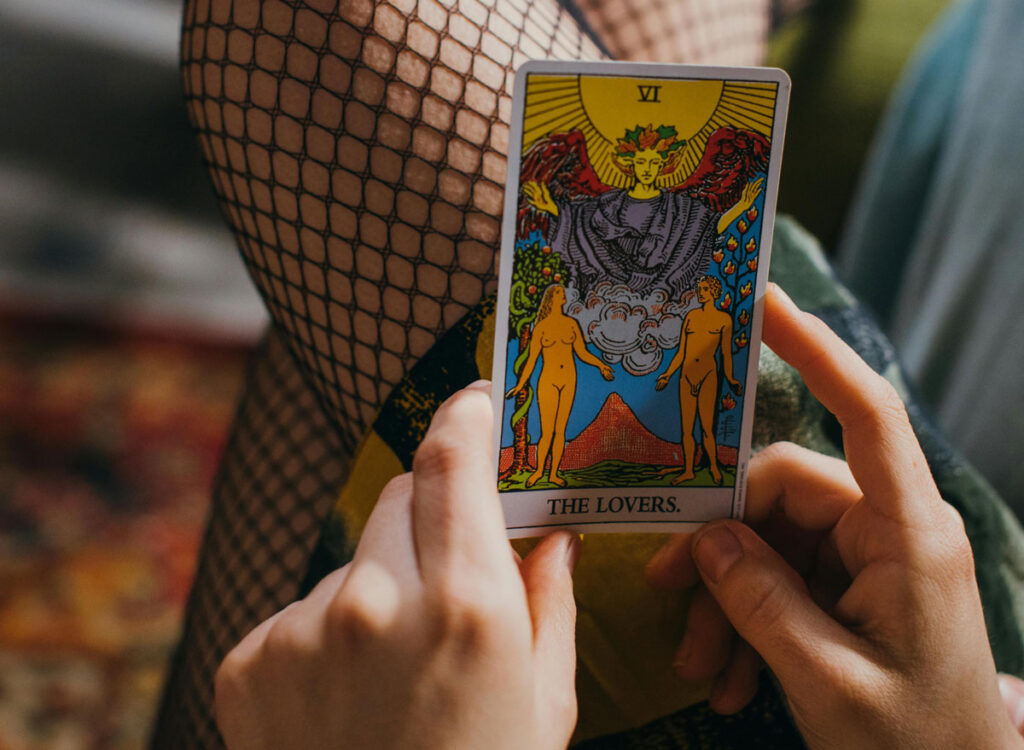
The Two of Cups: The Alchemy of Mutual Desire
Where The Lovers speaks to cosmic bonds, the Two of Cups is the tarot’s embodiment of mutual attraction and emotional reciprocity. This card is a celebration of unity, where two souls meet in perfect harmony—think of it as the spark that ignites a flame. In a love reading, the Two of Cups often heralds the beginning of a relationship built on trust and shared passion. It can also appear when you’re reflecting on a past love, reminding you of the moments when your heart was truly seen. The card’s imagery—a man and woman exchanging cups, often crowned by a caduceus—symbolizes not just romance but the healing power of connection. If this card lands in your spread, it’s a sign to nurture the bonds that make your heart feel full, whether that’s with a partner, a friend, or even yourself.

The Three of Swords: Healing the Wounds of the Heart
Love isn’t always a fairy tale, and the Three of Swords is here to remind you that heartbreak is a necessary part of growth. This card often appears when you’re processing pain—whether it’s a betrayal, a loss, or the slow unraveling of a relationship. The imagery of three swords piercing a heart may seem bleak, but it’s a call to face your emotions rather than suppress them. In a love reading, the Three of Swords isn’t a prediction of doom; it’s an invitation to heal. It asks you to acknowledge your wounds so you can release them. If this card appears, consider it a sign that you’re being called to mend what’s broken, whether that means forgiving a partner, setting boundaries, or walking away from a love that no longer serves you. Remember, even the darkest nights give way to dawn.
The Ten of Cups: The Vision of Domestic Bliss
If the Three of Swords is about healing, the Ten of Cups is its radiant counterpart—a vision of love’s ultimate fulfillment. This card is the tarot’s promise of joy, family, and emotional security. It often appears when you’re dreaming of a future with a partner, envisioning a home filled with laughter and shared dreams. The imagery of a family dancing under a rainbow is a powerful metaphor for the love that feels like coming home. In a reading, the Ten of Cups can signify a relationship that’s reaching a place of deep contentment, or it may be urging you to create that sense of belonging in your own life. If this card lands in your spread, it’s a reminder that love isn’t just about grand gestures—it’s about the quiet, everyday moments that weave a tapestry of happiness.

Reading the Cards: Spreads for Love Insights
To truly understand what the tarot reveals about your love life, you’ll need to go beyond single-card readings. Try these spreads to dive deeper:
- The Past-Present-Future Spread: Place three cards in a row to represent the evolution of your love story. The first card reveals the roots of your current situation, the second offers insight into your present dynamics, and the third hints at where things are headed.
- The Relationship Cross: Lay out five cards in a cross shape. The center card represents the core of the relationship, while the cards around it show influences like external pressures, emotional states, and potential outcomes.
- The Clarity Spread: Draw four cards to represent you, your partner (or desired partner), the challenges between you, and the potential resolution. This spread is perfect for untangling complex emotions.
As you lay out the cards, pay attention to recurring themes, symbols, and emotions. The tarot speaks in metaphors, so trust your gut when interpreting their messages. Don’t be afraid to journal your thoughts—sometimes, the most profound insights come from revisiting your readings days or weeks later.
Common Pitfalls in Love Tarot Readings
Even the most seasoned tarot readers can stumble when interpreting love spreads. Here are a few mistakes to avoid:
- Over-reliance on “Yes” or “No” questions: Love is fluid, and the tarot thrives on nuance. Instead of asking, “Will I get back together with my ex?” try, “What do I need to understand about this relationship?”
- Ignoring reversed cards: A reversed card isn’t a failure—it’s a whisper of what’s hidden or blocked. For example, the reversed Three of Cups might indicate unresolved grief, while the reversed Six of Cups could suggest nostalgia that’s holding you back.
- Projecting your desires onto the cards: The tarot reflects your subconscious, but it’s not a magic 8-ball. If you’re desperate for a certain outcome, you might misread the cards. Stay neutral and let the symbols guide you.
Conclusion
The tarot is more than a tool—it’s a conversation with your soul. Through the language of symbols and archetypes, it reveals the hidden currents of your love life, offering guidance, warnings, and affirmations. Whether you’re deciphering The Lovers’ call to destiny, navigating the heartache of the Three of Swords, or envisioning the joy of the Ten of Cups, remember that every card is a piece of a larger story. Your love life isn’t set in stone; it’s a living, breathing journey shaped by your choices, your wounds, and your capacity to love. So shuffle your deck, ask the questions that weigh on your heart, and let the cards be your guide. After all, the most powerful love stories are the ones we write with courage, curiosity, and an open heart.
FAQ
What does The Lovers card mean in a love reading?
The Lovers card signifies harmony and deep connections, often presenting choices between passion and practicality.
How can I use tarot spreads to understand my love life?
Tarot spreads like the Past-Present-Future Spread and Relationship Cross help in gaining insights and clarity into your relationship dynamics.
What are some common mistakes in love tarot readings?
Common mistakes include over-reliance on ‘Yes’ or ‘No’ questions, ignoring reversed cards, and projecting personal desires onto the readings.
Leave a Reply