Short Answer
Welcome to a journey through the hidden layers of meaning within a standard deck of playing cards. Beyond their role in games, these 52 cards—each with its own unique symbolism and history—carry rich metaphors that reflect life, fate, and the human experience. In this guide, we’ll explore the origins, symbolism, and deeper significance of the suits, court cards, and numbers that make up the deck. You’ll discover how these seemingly simple tools have evolved into a timeless language of their own, blending art, spirituality, and cultural tradition.
The Symbolic Language of the Four Suits
The four suits in a standard deck—hearts, diamonds, clubs, and spades—are more than just decorative elements; they represent fundamental aspects of human life and the natural world. Hearts, often associated with love and emotion, symbolize the emotional core of existence. Diamonds, linked to wealth and material success, reflect ambition and the pursuit of prosperity. Clubs, connected to growth and vitality, evoke the energy of nature and human endeavor. Spades, the darkest suit, signify challenge and transformation, embodying the inevitability of change and the passage of time.
These suits trace their roots to medieval Europe, where they were inspired by the four elements—fire, earth, air, and water. Hearts correspond to water, diamonds to earth, clubs to fire, and spades to air. This elemental connection adds another layer of meaning, suggesting that the deck is a microcosm of the universe itself, where each suit plays a role in the grand tapestry of life.
The Court Cards: Archetypes of Human Nature
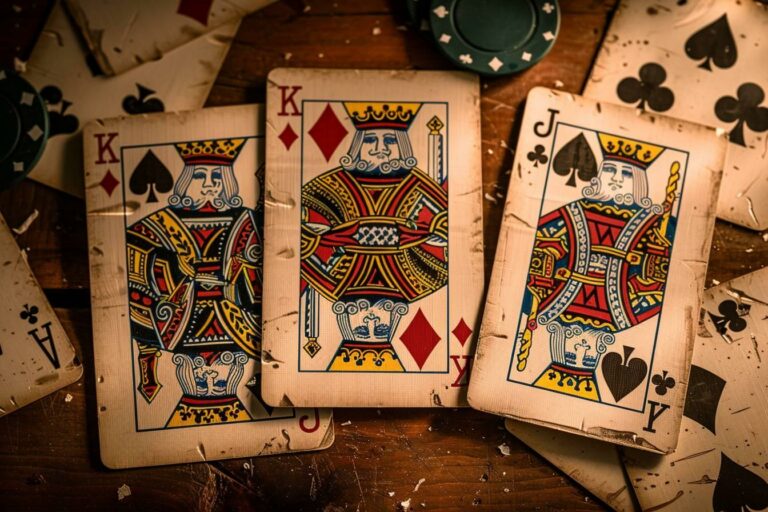
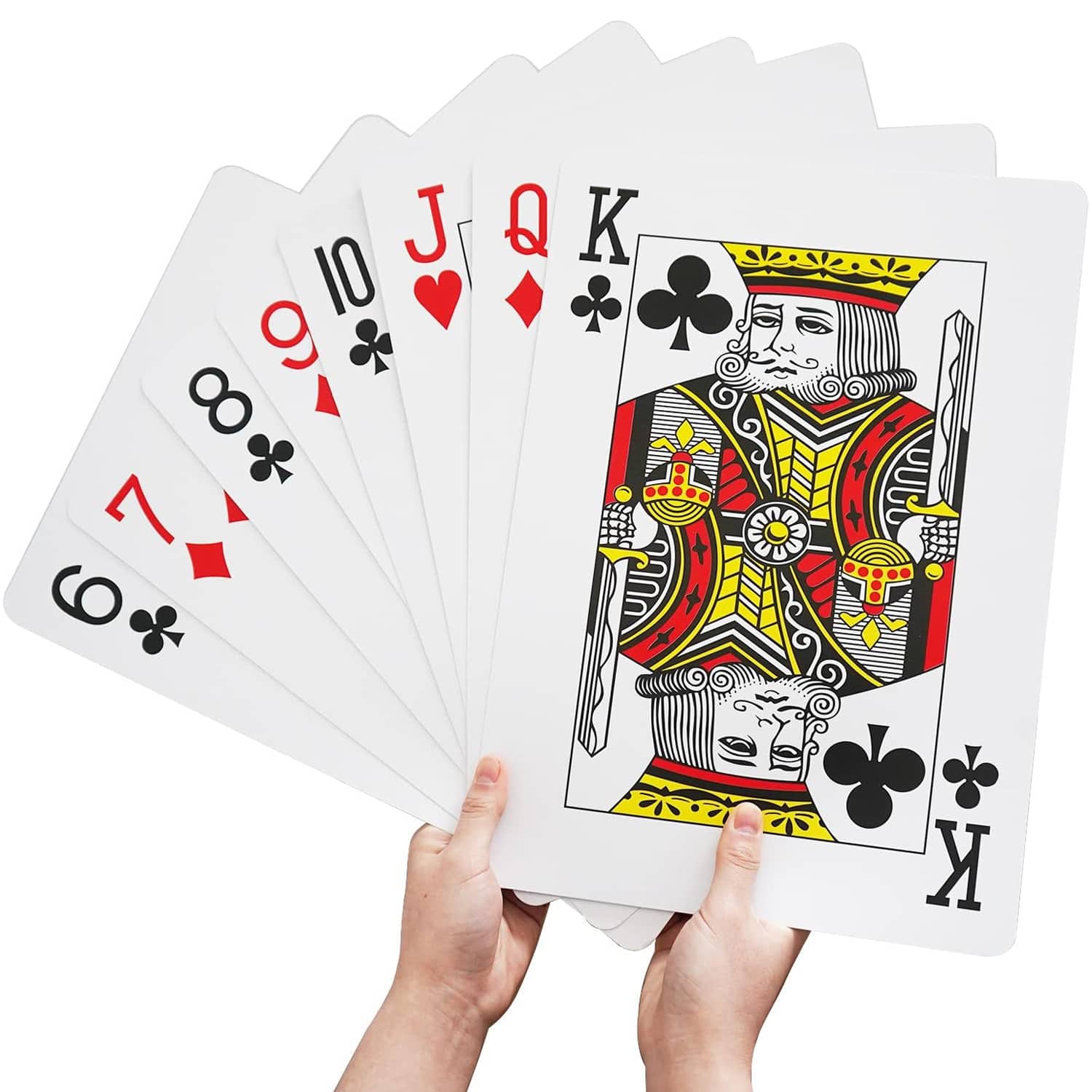
The court cards—king, queen, jack, and sometimes knight—are among the most intriguing elements of the deck. Each represents a distinct archetype, embodying personality traits, roles, and energies that resonate deeply with the human psyche. The kings, often seen as authoritative figures, symbolize leadership, wisdom, and mastery. The queens represent intuition, nurturing, and emotional intelligence, while the jacks embody youthful energy, curiosity, and adaptability.
These characters are not just static symbols; they tell a story of human interaction and evolution. The king of hearts, for example, might represent a compassionate leader, while the queen of spades could signify a figure of mystery and transformation. The court cards invite us to reflect on the roles we play in life and the qualities we admire or seek in others. They are a mirror to our own personalities and the dynamics of the relationships we navigate.
The Numerical Journey: From Ace to King
The numbers on the cards—from the ace to the king—follow a journey that mirrors the stages of life. The ace, often seen as a symbol of new beginnings, represents potential and opportunity. As the numbers progress from two to ten, they reflect growth, challenges, and the passage of time. The number ten, often associated with completion, suggests the end of a cycle and the readiness to begin anew.
This numerical progression is not just a mathematical sequence; it’s a metaphor for personal development. Each number carries its own energy and meaning. For instance, the number three is often linked to creativity and collaboration, while the number seven is considered a symbol of luck and spiritual insight. The king, representing the pinnacle of the suit’s hierarchy, embodies mastery and the culmination of experience.
The Joker: The Wild Card of Fate
The joker, a relatively modern addition to the deck, is a wildcard that defies categorization. It represents unpredictability, chaos, and the unexpected twists of life. Unlike the other cards, the joker has no fixed suit or number, making it a symbol of freedom and the unknown. In many games, the joker can take on any role, reflecting its adaptability and the idea that sometimes, the most unpredictable elements hold the greatest power.
The joker’s origins are shrouded in mystery, with theories ranging from its connection to the Fool card in tarot to its role as a symbol of mischief and transformation. Regardless of its history, the joker serves as a reminder that life is full of surprises and that sometimes, the cards we least expect can change everything.
The Cultural and Historical Tapestry of Playing Cards
Playing cards have a rich and diverse history that spans centuries and continents. Originating in China during the Tang Dynasty, they spread to the Islamic world and eventually reached Europe in the 14th century. Each culture adapted the deck to its own traditions, adding unique symbols and meanings. For example, the French suits—hearts, diamonds, clubs, and spades—became the standard in the Western world, while other regions developed their own variations.
In Europe, playing cards became intertwined with art, literature, and even politics. The court cards, for instance, were often modeled after historical figures or mythological characters, adding a layer of storytelling to the deck. Tarot cards, which share similarities with playing cards, further enriched the symbolic language of the cards, blending mysticism with everyday life.
The Metaphorical Power of the Deck
A deck of cards is more than a tool for games; it’s a metaphor for life itself. The randomness of a shuffle mirrors the unpredictability of fate, while the structured hierarchy of the suits reflects the order we seek in a chaotic world. The court cards represent the roles we play and the relationships we form, while the numbers remind us of the passage of time and the cycles of growth and change.
This metaphorical power has made playing cards a popular subject in art, literature, and even psychology. The deck can be seen as a tool for self-reflection, a way to explore our own personalities and the dynamics of our lives. Whether used in divination, storytelling, or simply as a source of entertainment, the deck remains a timeless symbol of human experience.
Conclusion
The world of playing cards is a fascinating blend of history, symbolism, and metaphor. From the suits that represent the elements of life to the court cards that embody human archetypes, each element of the deck tells a story. The numbers guide us through the journey of growth, while the joker reminds us of the unpredictability of fate. Whether you’re a player, a collector, or simply someone who appreciates the beauty of these cards, there’s always more to discover in the intricate language of the deck.
Next time you hold a deck of cards, take a moment to consider the deeper meanings hidden within. They are not just tools for games; they are a reflection of the human experience, a mirror to our lives, and a testament to the enduring power of symbolism.
FAQ
What do the four suits in a deck of cards represent?
The four suits—hearts, diamonds, clubs, and spades—represent fundamental aspects of human life and the natural world, linked respectively to emotions, wealth, growth, and challenges.
What is the significance of the court cards in playing cards?
Court cards symbolize archetypes of human nature such as leadership, intuition, and youthful energy, reflecting personality traits and social roles.
How does the numerical sequence in a deck of cards relate to life stages?
The numbers from ace to king mirror personal development stages, from new beginnings and potential to mastery and completion.
What does the joker card symbolize in a deck?
The joker represents unpredictability, chaos, and freedom, acting as a wildcard that embodies the unexpected twists of life.
Where did playing cards originate from historically?
Playing cards originated in China during the Tang Dynasty, later spreading to the Islamic world and Europe, evolving culturally with unique symbols and meanings.
Leave a Reply