Short Answer
Dive into the enigmatic world of the Nostradamus Tarot, where ancient prophecy meets modern mysticism. This guide explores the origins, symbolism, and cultural impact of the deck, revealing why it continues to captivate seekers of truth and mystery. You’ll uncover the intriguing metaphors woven into its cards, the psychological allure that draws people in, and the debates that surround its interpretations. Whether you’re a skeptic or a believer, this exploration will challenge your perceptions and deepen your understanding of fate, foresight, and the human fascination with the unknown.
The Origins of the Nostradamus Tarot: A Bridge Between Past and Present
The Nostradamus Tarot is a tarot deck inspired by the prophecies of Michel de Nostredame, the 16th-century French astrologer whose cryptic quatrains have baffled scholars and enthusiasts for centuries. Unlike traditional tarot decks, which draw from medieval Christian symbolism or esoteric traditions like the Rider-Waite-Smith deck, the Nostradamus Tarot merges Nostradamus’s apocalyptic visions with the archetypal structure of tarot. The result is a deck that feels both timeless and eerily prescient, as if the cards themselves are echoes of Nostradamus’s own words.
The deck typically consists of 78 cards, divided into the Major Arcana and Minor Arcana, just like classic tarot. However, the imagery often reflects Nostradamus’s themes of war, upheaval, and celestial omens. For example, the Tower card might depict a crumbling fortress under a blood-red sky, while the Wheel of Fortune could show a cosmic wheel inscribed with Nostradamus’s quatrains. This fusion of tarot tradition with Nostradamus’s prophetic language creates a unique visual and symbolic language that resonates with those drawn to the idea of fate being written in the stars.
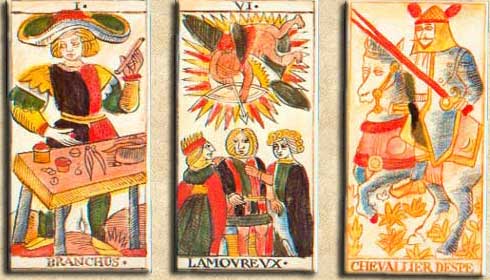
The appeal of the Nostradamus Tarot lies in its ability to make the abstract tangible. Nostradamus’s prophecies are often vague and open to interpretation, but when translated into tarot imagery, they become more immediate and personal. A seeker shuffling the deck might feel as though they are holding a piece of history—a tool that bridges the gap between the Renaissance seer and modern-day divination practices.
Symbolism and Metaphor: Decoding the Deck’s Hidden Language
The Nostradamus Tarot is rich with metaphor, each card serving as a visual riddle that invites deeper contemplation. Unlike decks that focus on personal growth or spiritual enlightenment, the Nostradamus Tarot leans into the darker, more ominous aspects of fate. The High Priestess, for instance, might not depict a serene guardian of hidden knowledge but rather a shadowy figure holding a scroll inscribed with Nostradamus’s most cryptic quatrains. This twist on tradition underscores the deck’s emphasis on prophecy over personal insight.
One of the most striking metaphors in the deck is the use of celestial imagery. Nostradamus was deeply influenced by astrology, and many of his prophecies reference comets, eclipses, and planetary alignments. In the Nostradamus Tarot, these cosmic events are often depicted as looming over the cards, suggesting that the cards themselves are portals to a larger, predetermined narrative. The Moon card, for example, might show a blood moon casting an eerie glow over a battlefield, reinforcing the idea that the cards are not just tools for self-reflection but windows into a fate that is already written.
The Minor Arcana also carries this metaphorical weight. Swords, typically associated with intellect and conflict in traditional tarot, might be illustrated with crossed blades inscribed with Nostradamus’s warnings of war. Cups, symbols of emotion and intuition, could feature chalices overflowing with dark liquid or inscribed with quatrains about betrayal and loss. This consistent use of metaphor creates a cohesive narrative throughout the deck, one that feels less like a guide for personal decision-making and more like a map of a world hurtling toward an inevitable destiny.

The power of the Nostradamus Tarot lies in its ability to make the abstract feel concrete. By weaving Nostradamus’s prophecies into the tarot’s structure, the deck transforms divination from a personal practice into a conversation with history itself. Each card becomes a piece of a larger puzzle, one that the seeker is invited to interpret in the context of their own life—and the world at large.
The Psychological Allure: Why the Nostradamus Tarot Captivates the Modern Mind
In an era of uncertainty, the Nostradamus Tarot offers a unique psychological appeal. It taps into the human desire to find patterns in chaos, to believe that there is a grand design behind the randomness of life. The deck’s focus on prophecy and omens provides a sense of control in an unpredictable world, as if knowing the future—even in vague terms—can mitigate fear. This psychological draw is amplified by the deck’s aesthetic, which often features dark, dramatic imagery that feels both ancient and urgent.
For skeptics, the Nostradamus Tarot can be seen as a psychological tool rather than a literal predictor of the future. The act of drawing cards and interpreting their meanings can serve as a form of self-reflection, helping individuals confront their anxieties and uncertainties. The deck’s emphasis on fate and inevitability can also be a double-edged sword: while it may offer comfort to those who feel overwhelmed by life’s unpredictability, it can also foster a sense of helplessness, as if free will is an illusion.
The deck’s appeal is further enhanced by its cultural resonance. Nostradamus’s prophecies have been referenced in everything from literature to pop culture, and the tarot deck capitalizes on this existing fascination. By merging the two, the Nostradamus Tarot creates a bridge between the esoteric and the mainstream, making it accessible to those who might not typically engage with tarot or prophecy. This crossover appeal ensures that the deck remains relevant, whether as a tool for divination, art, or simply as a conversation starter about the nature of fate.
Cultural Impact and Controversy: Prophecy or Paranoia?
The Nostradamus Tarot is not without its critics. Skeptics argue that the deck’s reliance on Nostradamus’s prophecies—many of which are notoriously vague—leads to interpretations that are more about confirmation bias than true foresight. The quatrains themselves are often so ambiguous that they can be applied retroactively to any number of events, making the deck’s “prophetic” claims feel more like a fun exercise in pattern recognition than a genuine glimpse into the future.
Despite these criticisms, the deck has carved out a niche in both the tarot and prophecy communities. It has been embraced by those who see tarot as a tool for exploring the darker aspects of human experience, as well as by those who are drawn to the idea of fate as an inescapable force. The deck’s imagery has also inspired artists, writers, and filmmakers, further cementing its place in popular culture. Whether viewed as a serious divinatory tool or a creative reinterpretation of Nostradamus’s work, the Nostradamus Tarot continues to spark debate and fascination.
The controversy surrounding the deck also highlights a broader cultural tension: the human need to believe in something greater than ourselves. In a world where science and rationality dominate, the Nostradamus Tarot offers a counterpoint—a reminder that mystery and metaphor still hold power. Whether this power comes from the divine, the subconscious, or simply the human imagination is a question that each seeker must answer for themselves.
How to Use the Nostradamus Tarot: A Practical Guide
Using the Nostradamus Tarot is not unlike using any other tarot deck, but its unique symbolism and focus on prophecy require a slightly different approach. Here are some tips for working with the deck:
- Set an Intention: Because the deck is steeped in themes of fate and inevitability, it’s helpful to approach readings with a clear question or intention. Are you seeking insight into a specific event, or are you exploring broader themes of destiny?
- Embrace the Metaphor: The Nostradamus Tarot thrives on metaphor, so don’t be afraid to interpret the cards in unexpected ways. A card that seems ominous might hold a hidden message of resilience or transformation.
- Context Matters: Given the deck’s focus on prophecy, it can be helpful to research Nostradamus’s quatrains that correspond to the cards you draw. This can provide additional layers of meaning and context.
- Journal Your Readings: The Nostradamus Tarot often reveals patterns over time. Keeping a journal of your readings can help you track recurring themes and deepen your understanding of the deck’s symbolism.
Whether you use the deck for divination, meditation, or creative inspiration, the key is to approach it with an open mind. The Nostradamus Tarot is not just a tool for predicting the future—it’s an invitation to explore the mysteries of fate, free will, and the human experience.
Conclusion: The Enduring Mystery of the Nostradamus Tarot
The Nostradamus Tarot is more than just a deck of cards—it’s a conversation between the past and the present, a fusion of ancient prophecy and modern mysticism. Its unique appeal lies in its ability to make the abstract feel tangible, to turn the intangible whispers of fate into vivid, arresting imagery. Whether you approach it as a tool for divination, a work of art, or a psychological exploration, the deck offers something for everyone: a sense of connection to history, a challenge to the boundaries of belief, and a reminder that the line between prophecy and paranoia is often a matter of perspective.
In a world that often feels chaotic and unpredictable, the Nostradamus Tarot provides a framework for understanding the unknown. It asks us to consider the role of fate in our lives, to question whether our paths are truly our own, and to find meaning in the metaphors that surround us. Whether you’re a believer in prophecy or a skeptic of the supernatural, the deck’s power lies in its ability to provoke thought, spark imagination, and—perhaps most importantly—keep the conversation about the mysteries of life alive.
FAQ
What is the Nostradamus Tarot?
The Nostradamus Tarot is a tarot deck inspired by the prophecies of Michel de Nostredame, combining his apocalyptic visions with traditional tarot symbolism.
How does the Nostradamus Tarot differ from other tarot decks?
Unlike traditional decks, the Nostradamus Tarot focuses on themes of prophecy, fate, and darker aspects of human experience.
Leave a Reply