Short Answer
Have you ever wondered why the Rider-Waite tarot deck feels so familiar, even if you’ve never held a deck in your hands? Or perhaps you’ve drawn a card and thought, “Wait, does this mean the opposite of what I think?” Tarot cards are rich with symbolism, but their meanings can twist and turn like a playful riddle. In this guide, we’ll explore the Original Rider-Waite tarot deck—its history, design, and the fascinating world of opposite meanings. By the end, you might find yourself looking at your deck with fresh eyes and a new challenge: can you reinterpret the cards when their meanings flip?
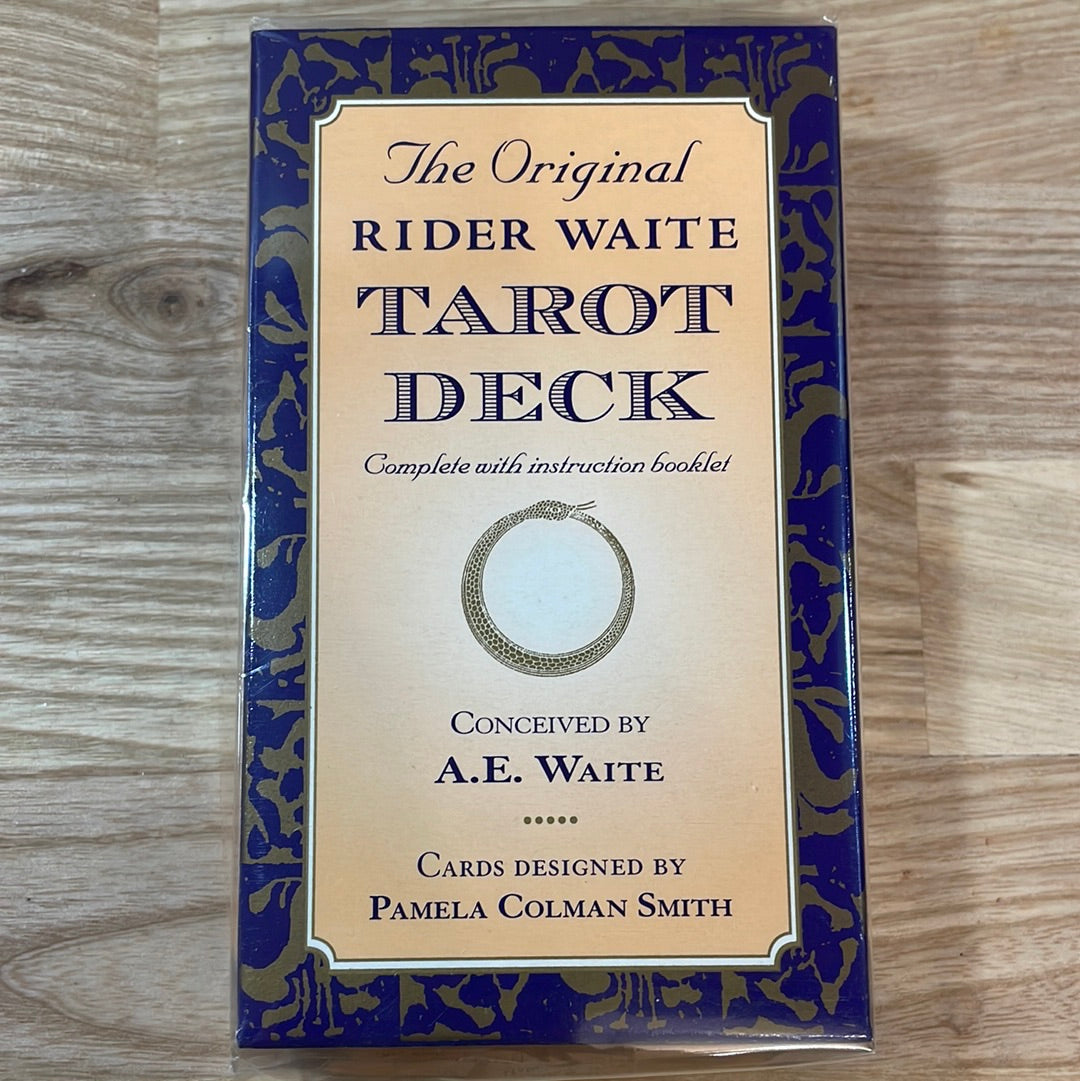
The Original Rider-Waite Tarot: A Brief History
The Rider-Waite tarot deck, first published in 1909, is one of the most iconic and widely used tarot decks in the world. Created by artist Pamela Colman Smith under the guidance of mystic A.E. Waite, this deck revolutionized tarot by introducing fully illustrated scenes on all 78 cards—previously, only the Major Arcana had detailed imagery. The deck’s name comes from its publisher, Rider & Company, and Waite’s involvement as the designer of the system.

The imagery draws heavily from medieval and Renaissance art, alchemy, and Christian mysticism. The Fool, for example, is depicted as a young man standing at the edge of a cliff, symbolizing new beginnings and spontaneity. The High Priestess, draped in blue and white, represents intuition and hidden knowledge. These visuals weren’t just decorative; they were designed to evoke emotional and psychological responses, making the deck accessible to both beginners and seasoned readers.
One of the deck’s most distinctive features is its use of color and composition. The vibrant hues and intricate details invite contemplation, while the scenes themselves tell stories. Whether it’s the Three of Cups, showing three women dancing with cups raised in celebration, or the Tower, with its lightning-struck structure and falling figures, each card is a snapshot of a moment—one that can be interpreted in countless ways.
Decoding the Symbolism: Why It Matters
Symbolism is the language of tarot. Every element in a card—from the objects and colors to the poses and expressions of the figures—carries meaning. In the Rider-Waite deck, symbols are layered, allowing for multiple interpretations. For instance, the Moon card features a crayfish emerging from a pool, a dog and a wolf howling at the moon, and two towers in the distance. These elements represent intuition, illusion, and the subconscious. But what happens when you flip the script and consider the opposite meaning?
Understanding symbolism helps you move beyond memorizing keywords. It allows you to engage with the cards on a deeper level, noticing details you might have overlooked. For example, the Chariot card shows a figure in armor riding a chariot pulled by two sphinxes—one black, one white. The sphinxes represent opposing forces, and the charioteer’s control over them symbolizes balance and determination. But if you consider the opposite, you might ask: what happens when balance is lost? What does it mean to be pulled in two directions?
Opposite Meanings: The Tarot’s Playful Twist
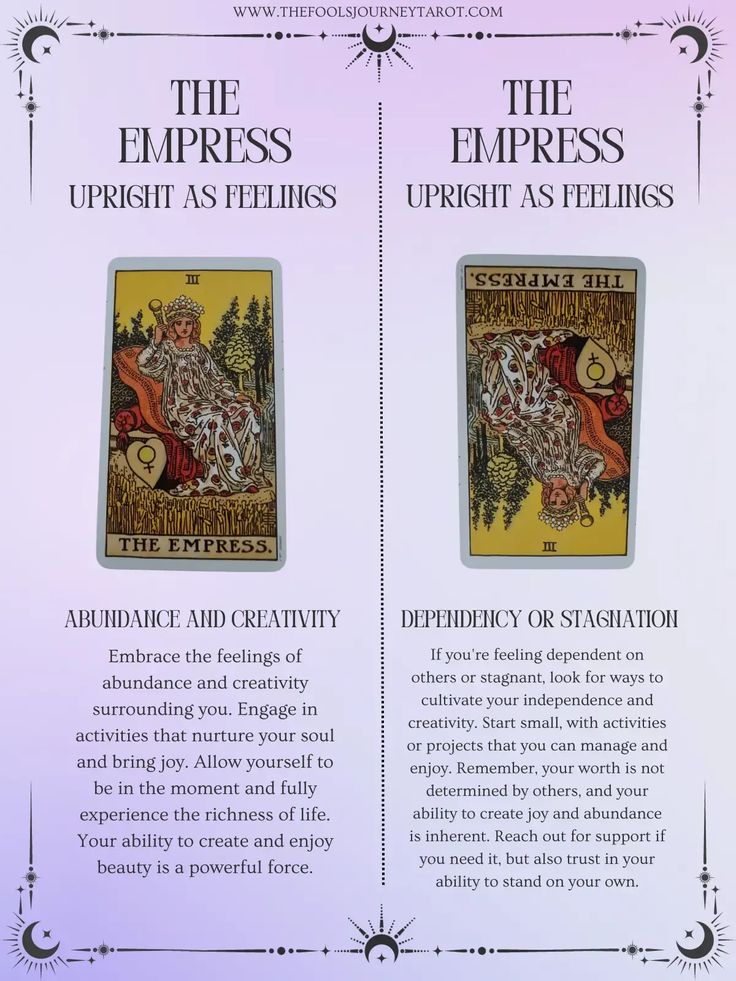
Tarot is not a rigid system. While traditional meanings provide a foundation, the beauty of tarot lies in its flexibility. Opposite meanings challenge you to think critically and intuitively about the cards. For example, the traditional meaning of the Eight of Swords is restriction and feeling trapped. But what if the opposite meaning is liberation? Perhaps the swords are not binding you but protecting you, or the blindfold is a choice rather than a limitation.
This concept isn’t about discarding traditional meanings but expanding them. It’s a playful exercise that encourages creativity and adaptability. Try this challenge: pull a card and list its traditional meaning. Then, brainstorm three opposite meanings. For instance, the Death card often signifies transformation and endings. An opposite meaning could be stagnation or resistance to change. How does that shift your perspective?
Opposite meanings can also reveal hidden layers in a reading. If a client is struggling with a situation, flipping the meaning of a card might highlight an alternative path or a blind spot. It’s a reminder that tarot is a tool for exploration, not a set of fixed rules.
Common Cards and Their Opposite Meanings
Let’s dive into some popular cards and explore their opposite meanings:
The Lovers
Traditional meaning: Love, harmony, choices, and union. The card often depicts Adam and Eve under the watchful eye of an angel, symbolizing divine blessing.
Opposite meaning: Disharmony, separation, or a choice that leads to imbalance. Perhaps the union is forced, or the choice is made out of obligation rather than desire.
The Wheel of Fortune

Traditional meaning: Cycles, change, and fate. The wheel spins, with figures climbing and falling, representing life’s ups and downs.
Opposite meaning: Stagnation or resistance to change. What if the wheel is stuck? What if the figures are too afraid to climb or too comfortable to fall?
The Hermit

Traditional meaning: Solitude, introspection, and wisdom. The Hermit holds a lantern, seeking inner guidance.
Opposite meaning: Isolation or avoidance. Perhaps the Hermit is hiding from the world, or the lantern’s light is too dim to guide them.
How to Use Opposite Meanings in Readings
Incorporating opposite meanings into your readings can add depth and nuance. Here’s how to do it effectively:
- Context is key: Always consider the question or situation before flipping meanings. A card’s opposite might not apply in every context.
- Balance the extremes: Use opposite meanings to highlight potential pitfalls or hidden opportunities. For example, if The Tower appears, its opposite might be stability or a sudden awakening.
- Ask open-ended questions: Instead of asking, “Will I get the job?” try, “What challenges might arise in this situation?” This opens the door to exploring opposite meanings.
- Trust your intuition: If a card’s opposite meaning resonates with you, even if it contradicts traditional interpretations, explore it. Tarot is a personal journey.
Practical Exercises to Explore Opposite Meanings
Ready to put this into practice? Here are a few exercises to sharpen your skills:
- Card Pull Challenge: Pull one card daily and write down its traditional meaning. Then, write three opposite meanings. Reflect on how these alternatives change your perspective.
- Three-Card Spread: Lay out three cards representing past, present, and future. For each card, note the traditional meaning and its opposite. How do these opposites interact with the narrative?
- Client Scenario: Imagine a client is facing a difficult decision. Pull a card for them and interpret both the traditional and opposite meanings. How might the opposite meaning reveal a blind spot?
- Group Discussion: If you’re part of a tarot study group, bring a card and have everyone share their interpretations, including opposite meanings. You might be surprised by the insights!
Conclusion
The Original Rider-Waite tarot deck is more than just a collection of pretty pictures—it’s a gateway to self-discovery, intuition, and creative thinking. By exploring opposite meanings, you unlock a new dimension of interpretation, one that challenges you to question, adapt, and grow. Whether you’re a seasoned reader or just beginning your tarot journey, this playful exercise reminds you that tarot is not about rigid answers but about exploration and connection.
So, the next time you draw a card, ask yourself: what if the opposite is true? You might find that the most profound insights come from flipping the script.
FAQ
What is the Original Rider-Waite tarot deck?
The Original Rider-Waite tarot deck, published in 1909, is one of the most iconic tarot decks, known for its fully illustrated scenes on all 78 cards.
What are opposite meanings in tarot?
Opposite meanings in tarot encourage readers to think critically about card interpretations, exploring how a card’s meaning can shift based on context.
How can I use opposite meanings in my tarot readings?
Incorporate opposite meanings by considering context, balancing extremes, asking open-ended questions, and trusting your intuition.
Leave a Reply