Short Answer
In this comprehensive guide, you’ll explore the multifaceted meanings of persona and personality, uncovering how they shape communication, influence perceptions, and even redefine identities. You’ll discover the subtle yet powerful ways these concepts promise a shift in perspective—inviting you to question assumptions, challenge norms, and embrace curiosity. Whether you’re a student, professional, or simply someone intrigued by the human psyche, this article will equip you with the knowledge to navigate the complexities of persona and personality with clarity and insight.
The Dual Nature of Persona: Mask and Mirror
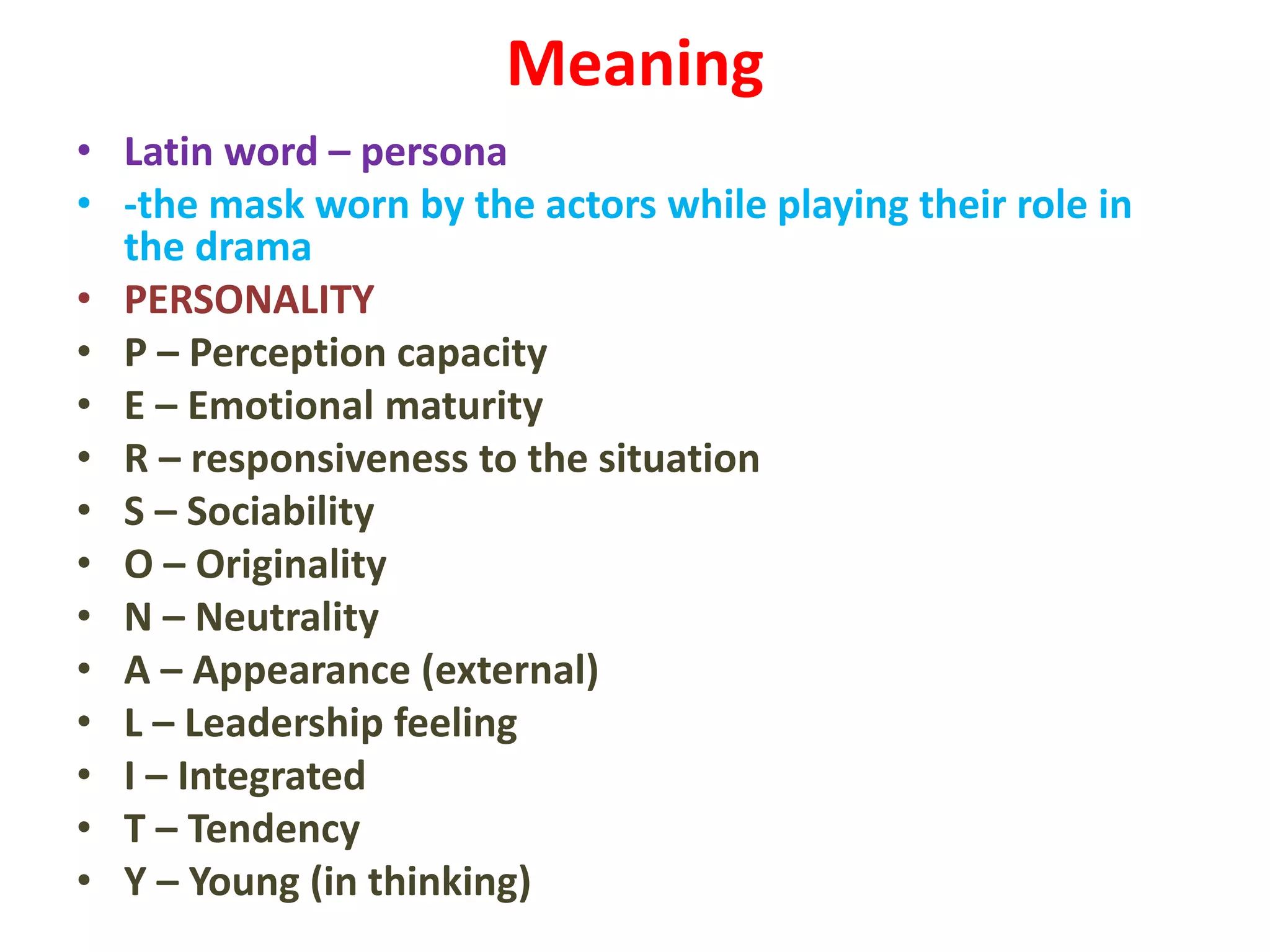
A persona is far more than a superficial façade; it is both a mask and a mirror. On one hand, it serves as a deliberate construction—a curated version of oneself designed to align with social expectations, professional roles, or cultural narratives. Think of a CEO adopting a confident demeanor in boardrooms or an artist presenting a rebellious image to the public. These personas are intentional, serving as tools to navigate specific contexts.
Yet, a persona is also a mirror, reflecting back the expectations, biases, and desires of the audience. It’s the way a politician’s speech resonates with voters or how a brand’s messaging appeals to its target demographic. This duality means personas are never static; they evolve as the audience’s perceptions shift. Understanding this balance is key to leveraging personas effectively—whether in marketing, leadership, or personal branding.

Personality: The Core vs. The Performance
While a persona is often a performance, personality is the core—the enduring traits, behaviors, and emotional patterns that define an individual. Psychologists like Carl Jung and the Big Five personality model (Openness, Conscientiousness, Extraversion, Agreeableness, Neuroticism) categorize personality as relatively stable over time. However, personality isn’t entirely fixed; it interacts dynamically with experiences, environments, and even the personas we adopt.
For example, an introverted person might develop an extroverted persona for networking events, but their underlying personality traits (e.g., preference for solitude) will still influence their energy levels and interactions. This interplay between core personality and situational personas highlights why understanding both is essential. It explains why some people thrive in certain roles while struggling in others, despite their best efforts to adapt.
How Personas Shape Perception and Influence Behavior
Personas are powerful because they simplify complexity. In a world overflowing with information, personas help us categorize people and ideas quickly. A “thought leader” persona, for instance, signals authority and expertise, making it easier for audiences to engage with content without dissecting every detail. This is why brands and individuals invest heavily in crafting personas—they create shortcuts in perception.
However, personas can also distort reality. Stereotypes, for example, are rigid personas applied to entire groups, often oversimplifying individual differences. A “millennial entrepreneur” persona might conjure images of tech-savviness and risk-taking, but it ignores the diversity within that demographic. Recognizing these distortions is crucial for fostering authentic connections and avoiding biases in communication.

The Psychology Behind Curiosity: Why Personas Intrigue Us
Curiosity is the driving force behind our fascination with personas. Humans are wired to seek patterns and narratives, and personas provide both. They offer a story—a coherent identity that makes sense of fragmented behaviors. This narrative appeal explains why we’re drawn to celebrity personas, fictional characters, or even the carefully crafted social media profiles of influencers.
Psychologically, curiosity also stems from the uncertainty reduction theory. When we encounter a persona, our brains work to fill in gaps, making assumptions based on limited information. This mental exercise keeps us engaged, whether we’re trying to “decode” a colleague’s professional persona or analyzing a historical figure’s public image. The more ambiguous a persona, the more our curiosity is piqued—leading to deeper exploration or, conversely, misinterpretation.
Practical Applications: Using Personas and Personality in Daily Life
The concepts of persona and personality aren’t just abstract theories—they have real-world applications. In the workplace, understanding your own persona can help you navigate office politics or leadership roles more effectively. For example, a manager might adopt a “mentor” persona to foster team growth, while still retaining their authentic personality traits.
In personal relationships, recognizing personas can prevent misunderstandings. A partner who presents a “strong, independent” persona might actually crave emotional support, while someone with a “fun-loving” persona could be masking deeper insecurities. By looking beyond the surface, you can build more meaningful connections.
For content creators and marketers, personas are indispensable tools. Developing a buyer persona, for instance, helps tailor messaging to resonate with a target audience’s values and pain points. However, it’s essential to balance persona-driven strategies with authenticity to avoid alienating audiences who value transparency.
Conclusion
Persona and personality are two sides of the same coin, each shaping how we present ourselves and how others perceive us. A persona is a dynamic tool—adaptable, strategic, and often performative—while personality is the bedrock of individuality, offering consistency amid change. Together, they create a fascinating interplay that influences everything from personal relationships to global branding.
By understanding the nuances of both, you gain the power to shift perspectives, challenge assumptions, and cultivate curiosity—not just in others, but in yourself. Whether you’re refining your professional image, deepening personal connections, or simply exploring the complexities of human identity, these concepts serve as a compass. Embrace the duality of persona and personality, and you’ll unlock new dimensions of insight, empathy, and strategic thinking.
FAQ
What is the difference between persona and personality?
Persona is a constructed image or role we present to others, while personality refers to the enduring traits and behaviors that define who we are.
How do personas influence behavior?
Personas simplify complexity and create shortcuts in perception, affecting how individuals and brands are perceived by others.
Leave a Reply