Short Answer
Welcome to a deep dive into the chilling world of Phasmophobia and the art of Horror Deck Angles—a guide that will unravel the psychological thrills, strategic nuances, and atmospheric mastery that make this game a standout in the horror genre. Whether you’re a seasoned ghost hunter or a curious newcomer, this exploration will equip you with the knowledge to navigate the spectral unknown with confidence and cunning. Prepare to confront your fears, outsmart the supernatural, and discover why Phasmophobia redefines horror gaming.
The Haunting Allure of Phasmophobia: A Modern Horror Masterpiece
Phasmophobia is more than just a game; it’s an immersive descent into the unknown, where every creaking floorboard and flickering light could be the prelude to a terrifying encounter. Developed by Kinetic Games, this first-person horror experience drops players into the role of paranormal investigators armed with nothing but their wits, a handful of gadgets, and an unshakable resolve. The game’s brilliance lies in its ability to blend psychological horror with tangible, interactive gameplay. Unlike traditional horror games that rely on jump scares or predictable narratives, Phasmophobia thrives on unpredictability, forcing players to adapt in real-time to the whims of the unseen entities haunting their virtual abode.
The game’s appeal is rooted in its authenticity. The procedural generation of maps, combined with voice recognition and dynamic AI behaviors, ensures that no two playthroughs are alike. Players must rely on evidence—EMF readings, fingerprints, ghost orbs—to deduce the type of spirit they’re facing, adding a layer of strategy to the terror. This fusion of horror and deduction creates an experience that is as intellectually engaging as it is viscerally frightening.
Horror Deck Angles: The Art of Strategic Investigation
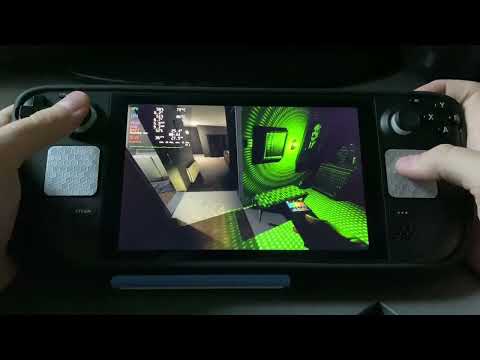
In the realm of Phasmophobia, survival isn’t just about running or hiding—it’s about outsmarting the supernatural. This is where Horror Deck Angles come into play. A “deck” in this context refers to the collection of tools and evidence you gather during an investigation, while “angles” represent the strategic positioning and angles from which you observe and interact with the environment. Mastering this concept is the key to turning the tide against even the most relentless spirits.
The foundation of Horror Deck Angles lies in understanding the ghost’s behavior patterns. Spirits in Phasmophobia exhibit distinct traits—some favor certain rooms, others are drawn to light or sound. By strategically placing cameras, tripods, and other equipment, you can monitor these patterns without directly confronting the entity. For example, positioning a tripod in a hallway where the ghost frequently roams allows you to capture evidence from a safe distance, reducing the risk of a sudden, terrifying encounter. Similarly, using EMF readers at specific angles can help triangulate the ghost’s location without triggering its wrath.
Another critical aspect is the use of sound. Spirits in Phasmophobia are highly sensitive to noise, and certain actions—like slamming doors or speaking—can provoke them. Horror Deck Angles involve using sound to your advantage, such as luring the ghost into a trap or using voice commands to distract it while you gather evidence. The game’s voice recognition system adds another layer of depth, allowing you to interact with the ghost in ways that can either de-escalate or escalate the situation.
Equipment: Your Arsenal Against the Unknown
No ghost hunter is complete without the right tools, and Phasmophobia offers a diverse arsenal to aid in your investigations. Each piece of equipment serves a unique purpose, and knowing how to leverage them effectively is crucial for survival.
- EMF Reader: This device detects electromagnetic fields, which spike in the presence of a ghost. It’s essential for identifying the entity’s location and behavior patterns.
- Spirit Box: A controversial but powerful tool, the Spirit Box scans for radio frequencies that spirits can manipulate. It’s invaluable for communicating with the ghost and gathering clues.
- UV Flashlight: Used to reveal fingerprints and other evidence, the UV flashlight is a must-have for piecing together the ghost’s identity.
- Thermometer: Spirits lower the ambient temperature, and the thermometer helps you track these fluctuations, indicating the ghost’s proximity.
- Cameras and Tripods: These allow you to monitor the environment remotely, reducing the risk of direct encounters while still gathering evidence.
- Salt and Crucifix: Defensive tools that can temporarily ward off or weaken the ghost, giving you precious seconds to escape or gather your bearings.
The key to using these tools effectively lies in experimentation and adaptation. Each ghost type responds differently to equipment, and part of the challenge is figuring out which tools work best in any given situation. This trial-and-error process adds to the game’s replayability, ensuring that no two investigations feel the same.
The Psychology of Fear: Why Phasmophobia Strikes a Chord
At its core, Phasmophobia is a psychological horror experience. The game preys on primal fears—the unknown, the unseen, and the uncontrollable. Unlike many horror games that rely on visual scares or predictable jump scares, Phasmophobia thrives on tension and uncertainty. The fear isn’t just in what you see, but in what you don’t see. The creaking floors, the distant whispers, the flickering lights—all of these elements work together to create an atmosphere of dread that lingers long after you’ve turned off the game.
This psychological depth is amplified by the game’s multiplayer mechanics. Playing with friends adds a layer of social dynamics that can heighten the fear. Will your teammate scream and run, or will they stay calm under pressure? The unpredictability of human behavior mirrors the unpredictability of the ghost, creating a uniquely immersive experience. The game also leverages voice chat to simulate real-life paranormal investigations, making the horror feel more tangible and immediate.
The fear in Phasmophobia is also deeply personal. Each player brings their own experiences and anxieties to the game, and the procedural nature of the encounters ensures that the horror feels tailored to you. Whether it’s the fear of the dark, the unknown, or the supernatural, the game taps into universal fears, making it accessible and relatable to a wide audience.
Mastering the Game: Tips and Tricks for Aspiring Ghost Hunters
Becoming a proficient ghost hunter in Phasmophobia requires a mix of strategy, adaptability, and nerves of steel. Here are some essential tips to help you survive the night:
- Start Small: Begin with beginner maps and easier ghost types to familiarize yourself with the mechanics and equipment. Gradually work your way up to more challenging scenarios.
- Stay Calm: Panic is your worst enemy. Focus on gathering evidence methodically rather than rushing around in a frenzy. The more organized you are, the better your chances of survival.
- Use the Environment: Pay attention to the layout of the map. Certain rooms and objects can be used to your advantage, such as luring the ghost into a trap or using furniture to block its path.
- Communicate Effectively: If playing with a team, clear communication is key. Assign roles and share information to avoid duplication of effort and to ensure everyone is on the same page.
- Experiment with Equipment: Don’t be afraid to try different combinations of tools. Some ghosts respond better to certain equipment, and experimentation can lead to breakthroughs.
- Know When to Retreat: If the ghost becomes too aggressive or the situation becomes untenable, don’t hesitate to make a run for it. Survival is the ultimate goal.
Conclusion: Embracing the Unknown
Phasmophobia is more than just a game—it’s an experience that challenges your mind, tests your nerves, and immerses you in a world where the line between the known and the unknown blurs. By mastering Horror Deck Angles, leveraging your equipment, and understanding the psychological underpinnings of fear, you can transform from a novice investigator into a seasoned ghost hunter capable of facing any spectral challenge.
The true beauty of Phasmophobia lies in its unpredictability. No two investigations are the same, and the thrill of uncovering the unknown is what keeps players coming back for more. Whether you’re playing solo or with friends, the game offers a uniquely terrifying experience that lingers long after the session ends. So, gather your equipment, steel your nerves, and step into the darkness—your next ghostly encounter awaits.
FAQ
What is Phasmophobia?
Phasmophobia is a cooperative horror game where players investigate paranormal activity using specialized equipment to identify ghost types.
What are Horror Deck Angles?
Horror Deck Angles describe the strategic setup and positioning of equipment and observation points to maximize safety and evidence collection.
What equipment is used in Phasmophobia?
Players use tools like EMF readers, spirit boxes, UV flashlights, thermometers, cameras, salt, and crucifixes.
How does Phasmophobia utilize psychology to create fear?
It leverages atmospheric tension, unpredictable AI behaviors, voice recognition, and multiplayer dynamics to create a deeply immersive horror experience.
How can new players improve their chances of survival?
By starting with easier maps, staying calm, communicating clearly, experimenting with equipment, and knowing when to retreat.
Leave a Reply