Short Answer
Welcome to a transformative journey into the art of Reconciliation, Love, and Reunion—where broken bonds are mended, hearts are rekindled, and lost connections are rediscovered. This guide will explore the emotional, spiritual, and practical dimensions of reconciliation, offering insights into love’s resilience and the power of reunion. Whether you seek to heal a fractured relationship, reignite a fading flame, or understand the deeper forces at play, this article will illuminate the path with metaphor, wisdom, and actionable steps.
The Alchemy of Broken Hearts: Understanding Reconciliation
Reconciliation is not merely the act of patching up differences; it is an alchemical process where pain is transmuted into understanding, and wounds become gateways to deeper intimacy. Like a shattered vase meticulously reassembled with gold lacquer (kintsugi), relationships often emerge stronger from the fractures, their history etched into every seam. The Japanese art of kintsugi teaches us that imperfection is not a flaw but a testament to resilience—a metaphor that resonates deeply in love’s reconciliation.
At its core, reconciliation requires three essential elements: acknowledgment, empathy, and action. Acknowledge the pain without blame; empathize with the other’s perspective; and take deliberate steps toward healing. This triad forms the foundation of any successful reunion, whether in romantic partnerships, familial bonds, or friendships.

The Language of Love: Communicating Through Silence and Words
Love speaks in dialects beyond words—through silence that comforts, tears that cleanse, and gestures that transcend language. Reconciliation often begins when we learn to listen not just with our ears but with our hearts. The poet Rumi once wrote, “Silence is the language of God; all else is poor translation.” In moments of estrangement, silence can be a sanctuary where both parties retreat to reflect, or it can become a chasm if left unaddressed.
However, words remain the bridge between silence and understanding. A heartfelt apology, expressed without excuses, can dissolve resentment like sunlight on morning dew. Similarly, active listening—where you paraphrase your partner’s feelings to confirm understanding—creates a safe space for vulnerability. The key is authenticity: speak from the soul, not the script of ego.
Rituals of Reunion: Sacred Acts to Mend the Bond
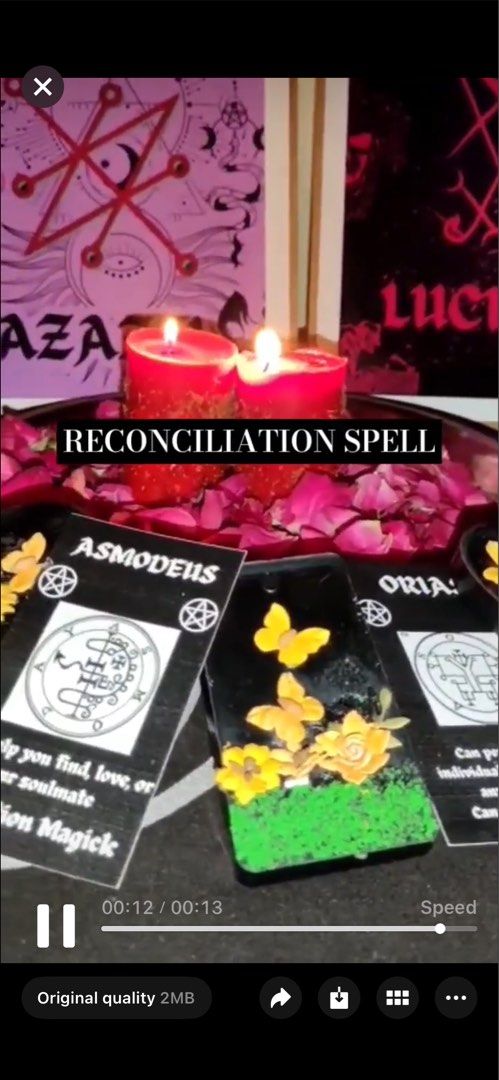
Throughout history, cultures have employed rituals to heal and reunite. From the ancient Greek practice of katadesmoi (binding spells for reconciliation) to modern-day couples’ retreats, these acts serve as anchors in turbulent emotional waters. A reconciliation ritual might involve lighting a candle to symbolize hope, writing letters to release pent-up emotions, or even creating a shared vision board to reignite common dreams.
One particularly potent ritual is the “Sacred Space Ceremony”, where both parties gather in a neutral, serene environment (like a garden or quiet room) and take turns sharing three things they appreciate about each other. This practice shifts the focus from grievances to gratitude, rewiring the brain to perceive the relationship through a lens of abundance rather than lack.
The Science of Reconciliation: Oxytocin and the Rebuilding of Trust
Neuroscience reveals that reconciliation triggers the release of oxytocin, the “bonding hormone,” which fosters trust and reduces stress. Physical touch—whether a hug, holding hands, or even a reassuring pat on the back—can catalyze this chemical reaction, easing the path to forgiveness. Studies also show that couples who engage in shared activities (cooking, dancing, or hiking) experience a surge in oxytocin, reinforcing their connection.
Yet, oxytocin alone cannot sustain reconciliation. It must be paired with consistent actions that rebuild trust over time. Small, reliable gestures—like remembering a partner’s favorite coffee order or initiating a weekly check-in—signal commitment. Trust, once broken, is not restored overnight; it is reconstructed brick by brick, with patience and perseverance.
When Love Fades: Rekindling the Flame Without Forcing It
Not all reconciliations are meant to last forever. Sometimes, the purpose of reunion is not to revive the relationship but to glean wisdom from its dissolution. The poet Pablo Neruda wrote, “I love you without knowing how, or when, or from where.” Love’s magic lies in its unpredictability—it can bloom in the ashes of heartbreak or fade like a dying ember. The goal is not to cling to what was but to honor what could be.
If rekindling feels forced, consider whether the relationship’s foundation is still solid. Ask yourself: Are both parties willing to grow, or are they merely seeking comfort in familiarity? Reconciliation should feel like a homecoming, not a prison sentence. It’s okay to walk away if the love has become a shadow of its former self.
Conclusion: The Art of Letting Love Lead
Reconciliation, love, and reunion are not linear journeys but spirals—where we revisit old wounds with new eyes, where pain and joy coexist like yin and yang. The most profound reconciliations are not about erasing the past but about weaving it into a tapestry of resilience. Whether through rituals, science, or silent understanding, the path to reunion begins with a single step: the courage to believe in love’s redemptive power.
Remember, every broken heart carries a seed of renewal. Nurture it with patience, and watch as it blooms—not despite the cracks, but because of them.
FAQ
What is reconciliation?
Reconciliation is the process of restoring a broken relationship, focusing on healing emotional wounds and rebuilding trust.
What are essential elements for successful reconciliation?
The three essential elements are acknowledgment of pain, empathy towards the other person, and taking actionable steps towards healing.

Leave a Reply