Short Answer
Have you ever drawn the Queen of Cups in a tarot reading, only to find it reversed? This card’s upside-down energy can feel unsettling, especially when it suggests tears are manipulative or emotions are being weaponized. But what if this reversal isn’t a warning—it’s an invitation? A chance to see your emotional landscape with fresh eyes and reclaim your power. In this guide, you’ll uncover the hidden layers of the reversed Queen of Cups, from its shadowy manipulations to the transformative shifts it promises. By the end, you’ll understand how to navigate this card’s energy with clarity, curiosity, and confidence.
The Reversed Queen of Cups: When Tears Become a Weapon
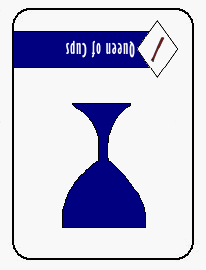
The Queen of Cups reversed flips the script on emotional nurturing. Where the upright Queen offers compassion and intuition, her reversed counterpart may use tears, guilt, or emotional outbursts as tools to control or influence others. This isn’t about genuine sorrow—it’s about strategic vulnerability. You might recognize this in situations where someone’s sadness feels performative, where apologies come with strings attached, or where emotional blackmail subtly shifts the balance of power in a relationship.
This card doesn’t just reflect external manipulations—it can also point to your own patterns. Have you ever cried to get your way, or used silence as a weapon when you felt unheard? The reversed Queen of Cups asks you to examine these tendencies without judgment. Are your tears a release, or are they a currency you’ve unconsciously traded for attention or compliance? The first step toward transformation is recognizing when emotion becomes a tool rather than a true expression of feeling.

Emotional Authenticity vs. Performative Vulnerability
At its core, the reversed Queen of Cups challenges the authenticity of emotional displays. While the upright Queen embodies deep empathy and unconditional love, her reversed form can blur the line between vulnerability and manipulation. This isn’t to say all tears are insincere—far from it. But when emotions are wielded like a blade, even the most heartfelt moments can feel tainted by ulterior motives. The card urges you to ask: Are my feelings mine, or are they shaped by a desire to sway others?
This distinction is crucial in relationships, whether romantic, familial, or professional. A partner who withholds affection until you “earn” it through compliance, a friend who plays the victim to avoid accountability, or a colleague who uses guilt to delegitimize your boundaries—these are all echoes of the reversed Queen of Cups. The card doesn’t condemn these behaviors outright; instead, it invites you to set boundaries that honor your emotional truth. True strength lies in expressing needs without fear of punishment or manipulation.
The Shadow Side: Self-Sabotage and Emotional Exploitation
The reversed Queen of Cups can also manifest internally, as self-sabotage disguised as emotional expression. Do you ever punish yourself with guilt trips, replaying past mistakes until they feel like weapons against your own psyche? Or do you suppress your needs, only to explode in passive-aggressive outbursts when the pressure becomes unbearable? These cycles stem from a belief that your emotions are either too much or not enough—a distortion the reversed Queen of Cups highlights.
This card’s energy can feel like a double bind: “If I show my pain, I’m weak. If I don’t, I’m inauthentic.” But the reversed Queen of Cups offers a way out—by reframing how you relate to your emotions. Instead of using tears as a shield or a sword, you can learn to wield them as a compass. Ask yourself: What is this emotion trying to tell me? Often, the answer isn’t about control; it’s about healing. The shift begins when you stop seeing your feelings as tools and start treating them as guides.
Breaking Free: How to Reclaim Emotional Agency
So how do you move beyond the reversed Queen of Cups’ grip? The answer lies in reclaiming your emotional sovereignty. Start by observing your reactions without immediate judgment. When you feel the urge to cry for attention or guilt someone into compliance, pause. Ask: What do I truly need right now? Is it validation, connection, or simply a moment of stillness? Separating the need from the tactic can dissolve the cycle of manipulation.
Boundaries are your greatest ally here. The reversed Queen of Cups thrives in blurred lines, so define yours clearly. Practice saying “no” without over-explaining, or express your needs without framing them as accusations. For example, instead of “You never listen to me,” try “I feel unheard when my concerns are dismissed. Can we talk about this?” This approach disarms emotional leverage by focusing on your truth, not a demand for change.
Healing also involves forgiving yourself for past patterns. If you’ve used tears or silence as weapons, recognize that these were coping mechanisms—flawed, but born from a desire to be seen or protected. The reversed Queen of Cups isn’t a life sentence; it’s a wake-up call. With each conscious choice to respond differently, you weaken its hold and strengthen your emotional resilience.
The Gift of the Reversed Queen of Cups: A Shift in Perspective
Paradoxically, the reversed Queen of Cups’ challenges are its greatest gifts. By exposing the undercurrents of manipulation—whether in others or yourself—it clears the path for deeper authenticity. Imagine a world where emotions are neither suppressed nor weaponized, but shared with integrity. This card’s energy, though uncomfortable, pushes you toward that reality. It teaches you that vulnerability isn’t a weakness; it’s a choice to be present, even when it’s hard.
This shift in perspective can ripple outward. In relationships, it fosters mutual respect where both parties feel safe to express themselves without fear. In your inner world, it cultivates self-trust, allowing you to navigate emotions without second-guessing your motives. The reversed Queen of Cups doesn’t just warn of tears turned manipulative—it promises a future where your emotional landscape is yours to shape, free from coercion or distortion.
Conclusion
The reversed Queen of Cups is a mirror, reflecting the ways emotion can be twisted into control—but it’s also a door. A door to a life where your tears are yours alone, where your pain isn’t a bargaining chip, and where your heart’s expressions are guided by truth, not strategy. This card doesn’t ask you to harden your emotions; it asks you to refine them. To discern when vulnerability is a strength and when it’s a habit that no longer serves you.
As you integrate these lessons, remember: the Queen of Cups reversed isn’t a permanent state. It’s a phase—a necessary one—to help you shed old patterns and step into a more empowered emotional life. The tears may still come, but they’ll be yours to hold, to heal, and to release on your own terms. And in that freedom, you’ll find the shift in perspective the card promises: a world where your emotions are your allies, not your chains.
FAQ
What does the reversed Queen of Cups symbolize?
The reversed Queen of Cups symbolizes emotional manipulation, performative vulnerability, and the need to reclaim emotional agency.
How can I recognize manipulative emotional behaviors?
Look for patterns where emotions are used to control or influence others, such as guilt-tripping or strategic vulnerability.
What steps can I take to establish emotional boundaries?
Start by clearly defining your needs, practicing saying ‘no,’ and expressing feelings without framing them as accusations.
Leave a Reply