Short Answer
Have you ever found yourself bending over backward to please others, only to realize you’ve lost sight of your own needs? The Queen of Cups in tarot isn’t just about nurturing—it’s also a gentle nudge to examine whether your kindness is becoming a crutch for others, leaving you emotionally drained. In this guide, we’ll explore the Queen of Cups’ shadow side: the tendency to be “too nice for your own good.” You’ll discover how to recognize this pattern, set boundaries without guilt, and reclaim your emotional energy. By the end, you’ll have actionable tools to transform your nurturing nature into a balanced, empowered force.
What Does the Queen of Cups Represent?
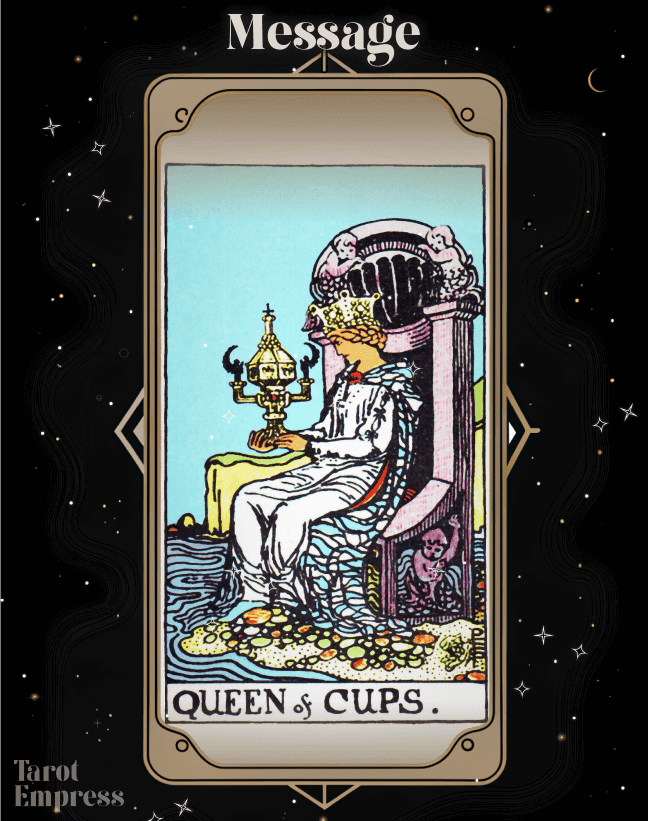
The Queen of Cups is a tarot card that embodies emotional intelligence, compassion, and intuition. She sits on a throne adorned with sea creatures, symbolizing her deep connection to the subconscious and the fluidity of emotions. In her hands, she holds a cup that overflows with water—a sign of her abundant empathy and ability to nurture others. However, this very abundance can become a double-edged sword when it leads to self-neglect.
At her core, the Queen of Cups encourages you to trust your feelings and lead with your heart. But when taken to an extreme, her energy can manifest as people-pleasing, emotional overwhelm, or even resentment. The key is to harness her strengths while recognizing when your kindness is being exploited or when you’re prioritizing others at your own expense.
Signs You Might Be the “Too Nice” Queen of Cups
It’s easy to dismiss your behavior as simply being kind, but the Queen of Cups’ shadow side often reveals itself through subtle (or not-so-subtle) patterns. Ask yourself: Do you say “yes” when you really want to say “no”? Do you apologize excessively, even when you’ve done nothing wrong? Are you the go-to person for emotional support, even when your own cup is empty?
Other red flags include feeling resentful after helping others, neglecting your own needs to meet someone else’s expectations, or staying in situations that drain you because you fear disappointing others. If these scenarios sound familiar, you might be operating in the “too nice” zone of the Queen of Cups. Recognizing these signs is the first step toward reclaiming your emotional sovereignty.
The Hidden Challenge: When Kindness Becomes a Trap
The Queen of Cups’ challenge isn’t about being unkind—it’s about the imbalance that arises when your nurturing nature is taken for granted. When you consistently put others first, you risk losing touch with your own desires, boundaries, and self-worth. This can lead to burnout, frustration, or even a quiet sense of emptiness, despite your best intentions.
Consider the dynamics in your relationships. Are you the one who always initiates plans, offers advice, or takes on extra responsibilities? Do people assume you’ll be available without question? These patterns can create an invisible hierarchy where your needs are secondary. The Queen of Cups reminds you that your kindness should be a gift, not an obligation—and that includes kindness to yourself.

How to Set Boundaries Without Guilt
Setting boundaries is essential for the Queen of Cups who wants to avoid emotional depletion. Start by identifying your limits—what you’re willing and unwilling to do for others. Communicate these boundaries clearly and kindly, even if it feels uncomfortable at first. Remember, a boundary isn’t a wall; it’s a guideline that helps others understand how to treat you with respect.
Practice saying “no” without over-explaining or apologizing. For example, “I can’t take on that project right now, but I appreciate you thinking of me.” If guilt creeps in, remind yourself that your needs are just as valid as anyone else’s. Over time, people will adjust to your new limits, and those who truly value you will respect them.
Another powerful tool is the “emotional check-in.” Before agreeing to help someone, pause and ask yourself: “Am I doing this because I want to, or because I feel obligated?” This simple question can help you align your actions with your true desires, rather than defaulting to people-pleasing.
Recharging Your Emotional Cup
The Queen of Cups thrives on emotional connection, but even she needs time to refill her cup. Make self-care a non-negotiable part of your routine. This could mean setting aside time for solitude, engaging in creative activities, or simply saying “no” to one extra commitment this week. Small acts of self-kindness can restore your energy and remind you that your needs matter.
Consider creating a “nurturing menu”—a list of activities that recharge you, whether it’s a warm bath, a walk in nature, or curling up with a good book. When you feel drained, refer to your menu and choose one item to prioritize. This practice ensures that you’re not waiting for a crisis to remind you to care for yourself.
It’s also helpful to surround yourself with people who reciprocate your kindness. The Queen of Cups deserves relationships that are balanced and fulfilling, where giving and receiving flow naturally. If someone consistently takes more than they give, it may be time to reevaluate that connection.
Transforming the Queen of Cups’ Energy
The Queen of Cups isn’t meant to be a martyr—she’s a queen, and queens are powerful. To shift from “too nice” to empowered, start by reframing your mindset. Instead of seeing your kindness as a weakness, recognize it as a strength that deserves reciprocation. You can be compassionate and still hold firm boundaries.
Practice assertiveness by expressing your needs directly. For example, if a friend cancels plans last minute, you might say, “I was really looking forward to seeing you. Can we reschedule?” This approach honors your feelings while giving the other person an opportunity to meet you halfway. Over time, this builds mutual respect and deeper connections.
Finally, embrace the Queen of Cups’ intuitive wisdom. Trust your gut when something feels off, and don’t dismiss your discomfort as “being too sensitive.” Your emotions are a guide, and honoring them is a form of self-respect. By balancing your nurturing nature with self-advocacy, you’ll embody the true essence of the Queen of Cups: a compassionate leader who knows her worth.
Conclusion
The Queen of Cups teaches us that kindness is a gift, but it should never come at the cost of our well-being. By recognizing the signs of being “too nice,” setting boundaries with grace, and prioritizing self-care, you can transform your nurturing energy into a source of strength and empowerment. Remember, you don’t have to earn love or respect—it’s your birthright. As the Queen of Cups, your cup is meant to overflow, but not at the expense of your own happiness. Start small, trust your intuition, and watch as your relationships and self-worth flourish in beautiful balance.
FAQ
What does the Queen of Cups represent in tarot?
The Queen of Cups represents emotional intelligence, compassion, intuition, and nurturing energy.
How can I tell if I am 'too nice' as the Queen of Cups suggests?
Signs include saying yes when you want to say no, apologizing excessively, feeling emotionally drained, and neglecting your own needs.
What are effective ways to set boundaries without feeling guilty?
Identify your limits clearly, communicate them kindly, practice saying no without over-explaining, and check in emotionally before agreeing to requests.
How can I recharge my emotional energy as the Queen of Cups advises?
Engage in self-care activities, create a nurturing menu of recharging tasks, spend time in solitude or nature, and maintain balanced relationships.
How do I transform being 'too nice' into empowered kindness?
Reframe kindness as a strength, practice assertiveness, hold firm boundaries, trust your intuition, and honor your emotions as guides.

Leave a Reply