Short Answer
This guide explores the complex dynamics of the Queen of Hearts’ relationships, particularly focusing on breakups and reconciliations. You’ll learn about the symbolic meanings behind her dramatic shifts in affection, the psychological underpinnings of her behavior, and why these themes resonate so deeply with audiences. By the end, you’ll understand the deeper reasons behind her fascination and how these narratives reflect real-world emotional struggles.
The Queen of Hearts: A Symbol of Passionate Extremes
The Queen of Hearts, a character from Lewis Carroll’s Alice’s Adventures in Wonderland, is often depicted as a volatile figure whose emotions swing between extremes of love and rage. Her iconic line, “Off with their heads!” suggests a readiness to sever ties abruptly, yet her relationships—particularly with the King of Hearts—hint at a more nuanced dynamic. This duality makes her a compelling figure for exploring the tumultuous nature of romantic entanglements, where passion and conflict often intertwine.
Her relationships are rarely stable, mirroring the push-and-pull dynamics seen in real-life partnerships. The Queen’s tendency to oscillate between adoration and fury reflects a common human experience: the struggle to balance intense emotions with rational decision-making. This balance—or lack thereof—is a central theme in understanding her appeal and the broader fascination with her character.
Breakups: The Queen’s Dramatic Exit Strategies
When the Queen of Hearts experiences a breakup, it’s rarely subtle. Her reactions are theatrical, often involving public displays of anger or sudden withdrawals of affection. This mirrors a psychological phenomenon known as emotional flooding, where overwhelming feelings lead to impulsive actions. For the Queen, a perceived slight or betrayal can trigger an immediate and extreme response, cutting off the relationship without warning.
Such breakups are not just about the end of a partnership; they also serve as a form of self-protection. The Queen’s dramatic exits can be interpreted as a defense mechanism against vulnerability. By asserting control through anger, she avoids the pain of rejection or abandonment. This behavior highlights a deeper issue: the fear of losing power in a relationship, which often stems from past experiences of feeling powerless.
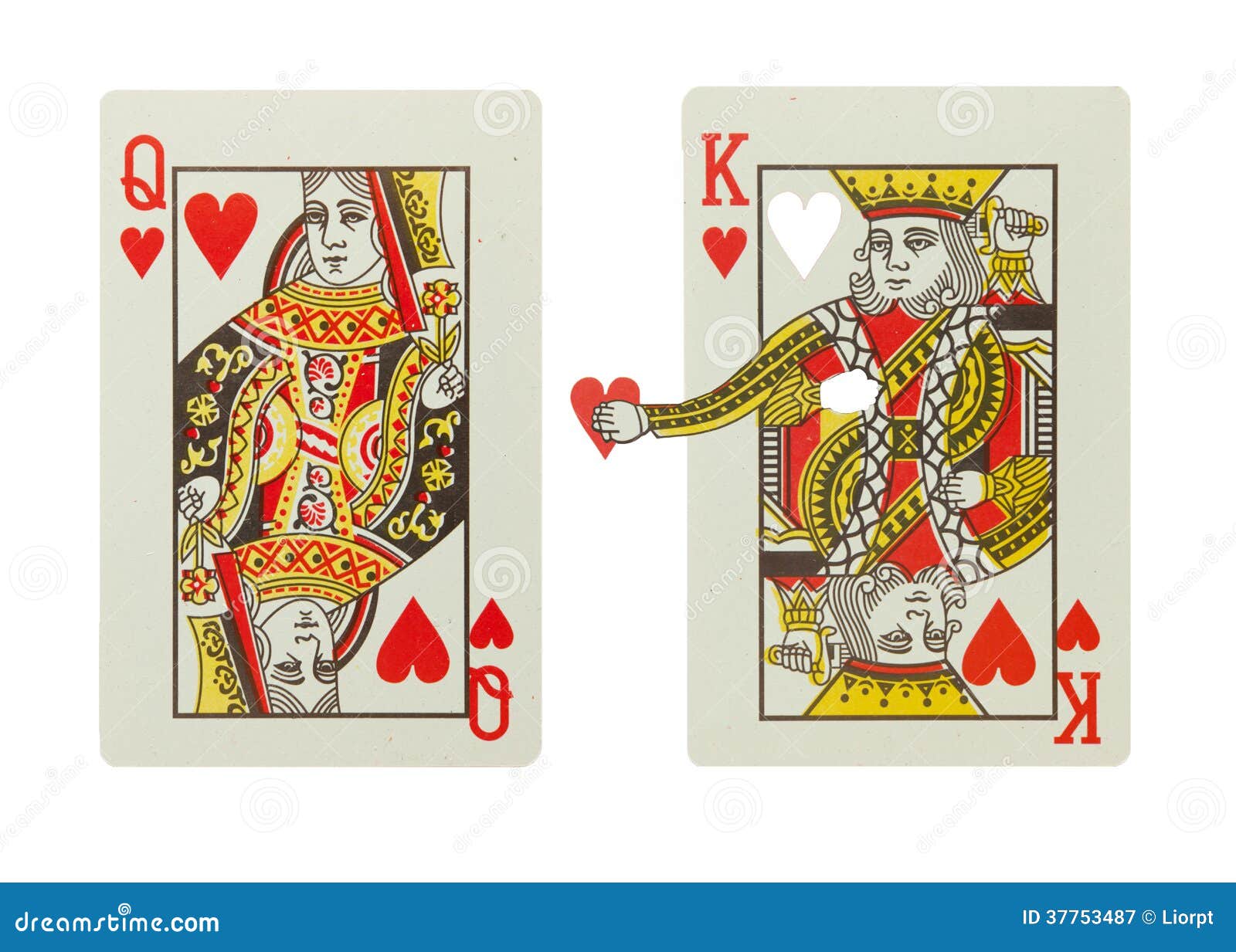
Reconciliation: The Queen’s Path to Forgiveness (or Revenge)
Reconciliation in the Queen of Hearts’ world is equally dramatic. Whether it’s a grand gesture of forgiveness or a calculated move to regain control, her reunions are never simple. The Queen’s ability to reconcile often hinges on her own terms—she may demand apologies, gifts, or even symbolic sacrifices (like the heads of her rivals) before considering a truce. This reflects a transactional view of relationships, where love is conditional on meeting her expectations.
Psychologically, this behavior can stem from a need for validation. The Queen’s reconciliations are less about genuine forgiveness and more about restoring her sense of worth. Her partners, whether the King or others, must prove their devotion through actions that align with her desires. This dynamic is not uncommon in real relationships, where one partner may unconsciously set impossible standards for the other to meet, leading to cycles of breakup and reconciliation.

The Psychological Roots of Her Behavior
The Queen of Hearts’ actions are a manifestation of deeper psychological patterns. Her volatility can be linked to borderline personality traits, where intense emotions and fear of abandonment drive erratic behavior. Her breakups and reconciliations are not just about the other person; they’re about her internal struggle to regulate her emotions and maintain a sense of control.
Another key aspect is her relationship with power. The Queen’s throne symbolizes authority, and her romantic entanglements are often extensions of this power dynamic. She may use love as a tool to assert dominance or, conversely, feel threatened when her partner challenges her authority. This interplay between love and power is a universal theme, resonating with anyone who has grappled with the balance between intimacy and independence in a relationship.
Why We’re Fascinated by Her Story
The Queen of Hearts captivates audiences because her story reflects universal human experiences. We’ve all felt the sting of rejection, the thrill of passion, or the frustration of unmet expectations in love. Her exaggerated reactions make these emotions tangible, allowing us to explore them in a safe, fictional context. Moreover, her character challenges traditional narratives of romance, where love is often portrayed as a smooth, linear journey. Instead, she embodies the chaos and unpredictability that many real-life relationships entail.
Her story also serves as a cautionary tale about the dangers of unchecked emotions. While her passion is intoxicating, it’s also destructive—both to herself and those around her. This duality invites reflection on our own emotional patterns and how we navigate the highs and lows of love.
Conclusion
The Queen of Hearts’ relationships are a microcosm of the emotional extremes that define human connections. Her breakups and reconciliations are not just whimsical plot points; they’re windows into the psychological forces that shape our own romantic lives. By examining her behavior, we gain insight into the power dynamics, fears, and desires that drive our relationships—whether we’re the one wielding the axe or the one left wondering what went wrong.
Ultimately, the Queen of Hearts reminds us that love is rarely a fairy tale. It’s messy, unpredictable, and often requires us to confront our deepest insecurities. But it’s also through these struggles that we grow, learn, and sometimes—just maybe—find a way to reconcile.
FAQ
Who is the Queen of Hearts in literature and symbolism?
The Queen of Hearts is a fictional character from Lewis Carroll’s Alice’s Adventures in Wonderland, symbolizing passionate extremes and volatile emotions.
What does the Queen of Hearts represent in relationships?
She represents intense emotional swings, dramatic breakups, and complex reconciliation patterns that mirror real-life romantic struggles involving power and vulnerability.
Why are the Queen of Hearts’ breakups so dramatic?
Her breakups often reflect emotional flooding and a defense mechanism to protect herself from vulnerability and loss of control.
What psychological traits are associated with the Queen of Hearts’ behavior?
Her behavior can be linked to borderline personality traits, including intense emotions, fear of abandonment, and struggles with emotional regulation.
How does the Queen of Hearts’ story resonate with audiences?
Her story reflects universal experiences of passion, rejection, and emotional chaos, offering a cautionary tale about the dangers of unchecked emotions in relationships.
Leave a Reply