Short Answer
In this comprehensive guide, you’ll explore the profound connection between tarot cards and the concept of non-linear healing. You’ll discover how tarot can serve as a reflective tool for emotional recovery, gain insights into specific cards that symbolize healing journeys, and learn practical ways to integrate tarot into your self-care or therapeutic practices. Whether you’re a seasoned tarot reader or a curious beginner, this article will provide valuable perspectives on using tarot to navigate the ups and downs of healing.
Understanding Recovery Tarot Cards
Recovery tarot cards are a specialized subset of the traditional tarot deck, designed to reflect themes of healing, resilience, and emotional growth. Unlike standard tarot spreads that may focus on future predictions, recovery tarot emphasizes the present moment and the cyclical nature of healing. These cards often depict imagery that resonates with emotional struggles, such as broken chains, blooming flowers, or winding paths, symbolizing the non-linear journey of recovery. By using recovery tarot, individuals can find validation in their experiences, recognize patterns in their emotional responses, and gain clarity on their healing process.
The Concept of Non-Linear Healing
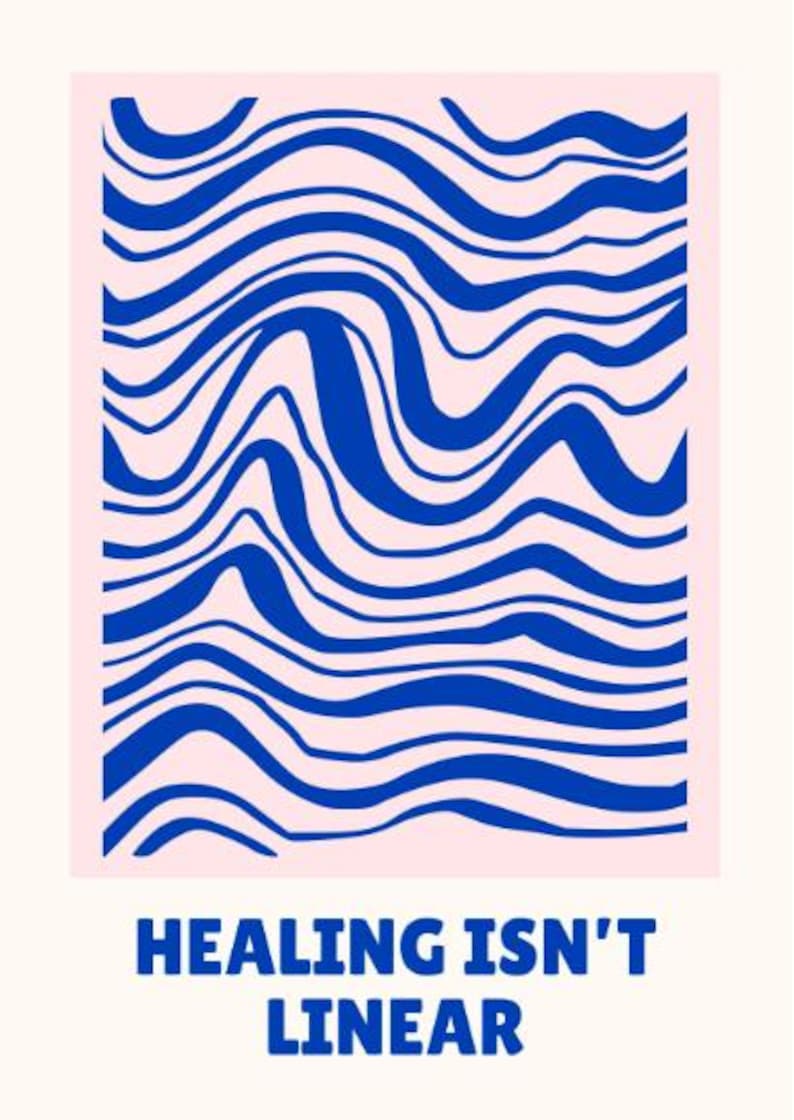
Healing isn’t linear—this phrase has become a mantra for many navigating emotional or mental health challenges. Unlike a straight path from illness to wellness, non-linear healing acknowledges that progress isn’t always forward-moving. There are setbacks, plateaus, and unexpected detours. Recovery tarot cards embody this idea by illustrating themes of cycles, duality, and transformation. For example, cards like The Moon may represent confusion or uncertainty, while The Star can symbolize hope after a period of darkness. These cards remind us that healing is a dynamic process, full of twists and turns that shape our resilience.
Key Tarot Cards for Healing and Recovery
Certain tarot cards are particularly resonant when exploring healing journeys. Below are some of the most powerful cards for recovery, along with their symbolic meanings:
1. The Star
The Star is a beacon of hope in the tarot deck, often appearing when healing feels distant or unattainable. This card encourages trust in the universe and the process of recovery. It symbolizes renewal, inspiration, and the gentle guidance of inner wisdom. In a healing context, The Star can signify a turning point where self-care and patience begin to yield results. It’s a reminder that even small steps forward are progress.
2. The Hanged Man

The Hanged Man is a card of surrender and perspective shifts. In recovery, this card often appears when it’s time to pause, reflect, and let go of control. It teaches that sometimes healing requires stepping back to see the bigger picture. This card can also represent the discomfort of growth—feeling stuck, but knowing change is on the horizon. Embracing the energy of The Hanged Man can help individuals release resistance and trust the timing of their healing.
3. Temperance
Temperance embodies balance, patience, and moderation—essential qualities in any healing journey. This card encourages a steady, measured approach to recovery, avoiding extremes of self-punishment or unrealistic expectations. In tarot readings, Temperance often signals a need for self-compassion and the importance of integrating all parts of oneself, including the wounded ones. It’s a card of harmony, reminding us that healing isn’t about perfection, but about finding equilibrium in the process.
How to Use Tarot for Emotional Recovery
Incorporating tarot into your healing routine can provide clarity, validation, and a sense of agency. Here’s how to get started:
Daily or Weekly Draws
Pulling a single card each day or week can serve as a focal point for reflection. Ask yourself: “What message does this card have for my healing today?” Over time, you may notice recurring themes or cards that resonate with your emotional state. This practice can help you track your progress and identify areas where you need extra support.
Healing-Focused Spreads
Create or use pre-designed tarot spreads that center on healing. For example, a spread might include positions for “Where I Am Now,” “What I Need to Release,” and “Where I’m Headed.” These structured layouts can provide deeper insights into your emotional landscape and guide your next steps in recovery.
Journaling with Tarot
Combine tarot with journaling to explore your feelings more deeply. After drawing a card, write about how its imagery and message relate to your current challenges. This can reveal subconscious patterns, fears, or hopes that may be influencing your healing journey. Journaling also creates a tangible record of your progress over time.
Common Misconceptions About Tarot and Healing
Despite its growing popularity, tarot is often misunderstood. Here are a few myths debunked:
Tarot Predicts the Future
Tarot is not about predicting a fixed future, but about exploring possibilities and gaining insight. Recovery tarot, in particular, focuses on the present and the energy surrounding your healing process, rather than a predetermined outcome.
You Need to Be Spiritual to Use Tarot
While tarot has roots in mysticism, it’s ultimately a tool for self-reflection. You don’t need to subscribe to any particular belief system to benefit from its insights. Many people use tarot as a psychological or creative exercise, without any spiritual connotations.
Tarot is a Quick Fix
Tarot can offer guidance and clarity, but it’s not a substitute for professional help or consistent self-care. It’s one piece of a larger puzzle in the healing journey. Using tarot effectively requires patience, openness, and a willingness to engage with its messages.
Conclusion
Recovery tarot cards offer a unique and empowering way to navigate the complexities of healing. By embracing the non-linear nature of recovery and using tarot as a reflective tool, you can find validation, clarity, and hope in your journey. Whether you’re using The Star to reignite hope, The Hanged Man to surrender control, or Temperance to cultivate balance, these cards serve as mirrors to your inner resilience. Remember, healing isn’t about reaching a destination—it’s about honoring each step along the way. Let tarot be your guide, your companion, and your reminder that growth is possible, even in the most unexpected moments.
FAQ
What are recovery tarot cards?
Recovery tarot cards are a subset of traditional tarot designed to reflect themes of healing and emotional growth, focusing on the present moment and the non-linear journey of recovery.
How can tarot aid in emotional recovery?
Tarot can provide clarity, validation, and insight into emotional states, helping individuals navigate their healing journeys through reflective practices.
Is tarot a reliable tool for healing?
While tarot can offer guidance, it is not a substitute for professional help and should be used as a complementary tool in the healing process.
Leave a Reply