Short Answer
Reflection Tarot is a profound concept that invites you to explore the hidden layers of your psyche, relationships, and life experiences through the lens of introspection and symbolic mirroring. Whether you’re a seasoned tarot enthusiast or a curious newcomer, this guide will illuminate the essence of Reflection Tarot—what it is, how it works, and how you can use it to gain deeper insights. You’ll discover different types of reflection tarot practices, their benefits, and practical ways to integrate them into your spiritual or self-development routine. By the end, you’ll have a clear understanding of how this powerful tool can serve as a mirror to your inner world and guide you toward clarity and growth.
Understanding Reflection Tarot: The Mirror of the Soul
Reflection Tarot is not just about reading cards—it’s about using the imagery, symbolism, and archetypes within the tarot deck to reflect back to you aspects of your life that may be hidden, ignored, or in need of attention. The concept draws from the idea that every card in the tarot acts as a mirror, showing you not only your current circumstances but also your potential paths, subconscious patterns, and unexamined truths. When you pull a card for reflection, you’re essentially holding up a mirror to your soul, asking it to reveal what you need to see.
At its core, Reflection Tarot encourages you to look beyond the surface of a situation and ask: What is this card trying to show me about myself or my life? It’s a practice rooted in mindfulness, where the cards become a tool for self-inquiry rather than mere fortune-telling. By engaging with the imagery and messages of the cards, you create a dialogue between your conscious mind and your deeper self, fostering self-awareness and personal evolution.
This approach can be especially powerful during times of uncertainty, transition, or emotional turbulence. Instead of seeking answers from external sources, Reflection Tarot turns your attention inward, helping you uncover the wisdom already within you. It’s a reminder that the answers you seek are often reflected back to you when you take the time to look closely.
Types of Reflection Tarot Practices
Reflection Tarot can take many forms, each offering a unique way to engage with the cards and deepen your understanding. Below are some of the most effective and popular practices you can explore:
1. Single-Card Reflection
The simplest and most accessible form of Reflection Tarot is the single-card pull. This practice involves drawing one card and spending time meditating on its imagery, symbolism, and message. Ask yourself: What emotions does this card evoke? What situations in my life does it remind me of? How can I apply its wisdom to my current circumstances? The single-card reflection is ideal for daily pulls, quick check-ins, or when you’re seeking a focused insight without overwhelming yourself with too much information.
For example, pulling the Mirror card from the Major Arcana might prompt you to reflect on how you see yourself versus how others see you. It could reveal a need for self-acceptance or a situation where you’re being mirrored back to yourself in a way that feels uncomfortable. The key is to let the card guide your thoughts without forcing a specific interpretation—trust that the message will resonate in the way it needs to.
2. Mirror Spreads
Mirror spreads are designed to reflect different aspects of a situation, relationship, or personal journey. These spreads often use a symmetrical layout, such as a two-card spread where one card represents your perspective and the other represents the perspective of another person or an external force. Alternatively, a three-card spread might explore the past, present, and future of a situation, with each card acting as a reflection of the other.
One popular mirror spread is the Self vs. Other spread, where you pull two cards: one for how you see yourself in a situation and another for how someone else sees you. This can be eye-opening in relationships, whether romantic, familial, or professional. It highlights discrepancies in perception and encourages you to address any misalignments or misunderstandings. Another example is the Challenge and Growth spread, where you pull a card representing a current challenge and another representing the growth or lesson it’s offering. This practice helps you reframe obstacles as opportunities for reflection and development.
3. Journaling with Reflection Tarot
Combining tarot with journaling creates a powerful reflective practice that deepens your connection to the cards and your inner wisdom. Start by pulling a card and then writing freely about its imagery, symbols, and how it relates to your life. Ask yourself questions like: What part of my life does this card mirror back to me? What emotions or memories does it bring up? How can I use its message to make a positive change?
Journaling with Reflection Tarot also allows you to track patterns over time. For instance, if you consistently pull cards that reflect themes of self-doubt or indecision, it may indicate an area of your life that requires attention. You can also use your journal to record how your interpretations of cards evolve as you grow and change. This practice turns tarot into a dynamic tool for self-discovery, where the cards become a dialogue partner in your personal development journey.
4. Visual Reflection with Tarot Art
For those who are visually inclined, using tarot art as a reflective tool can be incredibly powerful. This practice involves selecting a card that resonates with your current state of mind and then studying its artwork in detail. Notice the colors, symbols, and emotions evoked by the imagery. Ask yourself: What does this card’s art tell me about my inner world? What aspects of the image feel familiar or foreign to me?
You can also create your own visual reflections by drawing, painting, or collaging the imagery of a card that speaks to you. This act of creation becomes a mirror of your subconscious, allowing you to externalize and process emotions or experiences that may be difficult to articulate verbally. Visual reflection is especially useful for those who struggle with traditional journaling or who find solace in creative expression.
Benefits of Reflection Tarot
Engaging with Reflection Tarot offers a multitude of benefits that extend beyond the tarot reading itself. Here are some of the most transformative advantages of incorporating this practice into your life:
Enhanced Self-Awareness
One of the most significant benefits of Reflection Tarot is the heightened sense of self-awareness it fosters. By regularly engaging with the cards as mirrors, you become more attuned to your thoughts, emotions, and behaviors. This self-awareness allows you to identify patterns—such as recurring challenges, limiting beliefs, or areas where you’re holding yourself back—that may have previously gone unnoticed. Over time, this clarity empowers you to make conscious choices that align with your true desires and values.
Emotional Healing and Release
Reflection Tarot can serve as a gentle yet profound tool for emotional healing. When you pull a card that reflects a difficult emotion or situation, it provides a safe space to acknowledge and process what you’re feeling. For example, pulling the Three of Swords might mirror back a recent heartbreak or betrayal, allowing you to sit with those emotions without judgment. The act of reflecting on the card’s message can help you release pent-up feelings and move toward healing. Additionally, cards like the Temperance or Strength can reflect qualities you’re cultivating, such as patience or inner resilience, reminding you of your capacity for growth.
Improved Decision-Making
When faced with a tough decision, Reflection Tarot can act as a mirror to your subconscious wisdom. By pulling a card that reflects the core of your dilemma, you gain insight into what your deeper self already knows. For instance, if you’re torn between two career paths, pulling the Two of Pentacles might reflect the need for balance and adaptability, while the Chariot could indicate a call to take charge and commit to a direction. This practice helps you cut through indecision by revealing the underlying energies at play, allowing you to make choices that feel aligned with your highest good.
Deeper Connection to Intuition
Reflection Tarot strengthens your intuitive muscles by encouraging you to trust your inner voice. As you engage with the cards and reflect on their messages, you become more attuned to subtle nudges and gut feelings. This deepened connection to your intuition can guide you in all areas of life, from relationships to career choices. The more you practice Reflection Tarot, the more you’ll recognize the unique language of your intuition, making it easier to navigate life’s complexities with confidence.
How to Get Started with Reflection Tarot
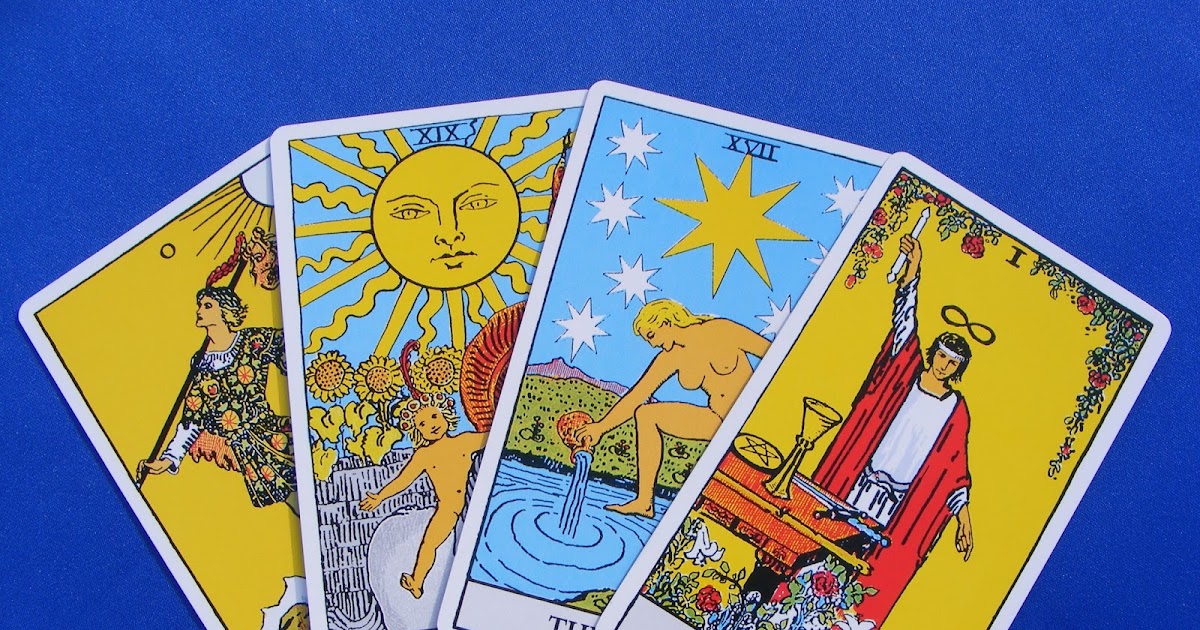
If you’re new to Reflection Tarot, getting started is simple. Begin by choosing a deck that resonates with you—whether it’s the classic Rider-Waite-Smith, the modern Light Seer’s Tarot, or a themed deck like the Mirror Tarot. The key is to select a deck whose imagery speaks to you on a deep level. Once you have your deck, follow these steps to begin your practice:
Step 1: Set an Intention
Before pulling a card, take a moment to set an intention for your reflection. Ask yourself: What do I need to see or understand right now? Your intention could be as broad as “Show me what I need to know about my current relationship” or as specific as “Reflect back to me the lesson I’m meant to learn from this challenge.” Setting an intention helps focus your energy and makes the reading more meaningful.
Step 2: Pull a Card
Draw a card intuitively—shuffle the deck while focusing on your intention, then stop when you feel drawn to a particular card. Alternatively, you can fan the cards out and choose one that catches your eye. Trust your first impression; the card you’re drawn to is likely the one you need to see.
Step 3: Reflect on the Card
Take a few deep breaths and study the card. Notice the colors, symbols, and emotions it evokes. Ask yourself:
- What does this card say about my current situation?
- What emotions or memories does it bring up?
- How can I apply its message to my life?
- What is this card reflecting back to me that I haven’t acknowledged?
Write down your thoughts or discuss them aloud if that feels more natural. The goal is to engage with the card on a personal level, allowing its message to resonate deeply.
Step 4: Take Inspired Action
Reflection Tarot is not just about gaining insight—it’s about using that insight to create change. After reflecting on the card, ask yourself: What is one small step I can take based on this message? It could be setting a boundary, having a difficult conversation, or simply practicing self-compassion. The key is to translate the reflection into action, no matter how minor it may seem.
Step 5: Close the Circle
End your practice by thanking the card and the universe (or your higher self) for the insight. You can do this verbally, in writing, or through a ritual like lighting a candle or placing your hands over your heart. Closing the circle creates a sense of completion and reinforces the sacredness of the practice.
Common Challenges and How to Overcome Them
Like any reflective practice, Reflection Tarot can come with its own set of challenges. Here’s how to navigate some of the most common obstacles:
Challenge 1: Overthinking the Cards
It’s easy to fall into the trap of overanalyzing a card’s meaning, especially if you’re using a guidebook. While guidebooks can be helpful, they shouldn’t dictate your interpretation. Instead, focus on your immediate reactions to the card’s imagery and emotions. Ask yourself: What does this card feel like to me? Trust your intuition over rigid definitions.
Challenge 2: Feeling Disconnected from the Cards
If a card doesn’t resonate with you at first, don’t force it. Set it aside and pull another one. Alternatively, revisit the card later or explore its symbolism in a different context. Sometimes, a card’s message becomes clearer with time or after you’ve gained more self-awareness. You can also try meditating on the card or looking at it in different lighting to see if new details emerge.
Challenge 3: Fear of What the Cards Might Reveal
It’s natural to feel hesitant about pulling a card that might reflect something uncomfortable, such as a difficult truth or a shadow aspect of yourself. However, avoiding these reflections only delays your growth. Instead, approach the card with curiosity rather than fear. Remind yourself that the card is a mirror, not a judgment. The goal is not to scare yourself but to gain clarity and empowerment.
Challenge 4: Inconsistent Practice
Like any habit, Reflection Tarot requires consistency to yield meaningful results. If you find yourself skipping sessions, try setting a specific time each day or week for your practice. You can also pair it with another daily ritual, such as morning coffee or evening tea, to make it feel more integrated into your routine. Remember, even a single card pull can offer valuable insight—consistency is more important than the length of the session.
Conclusion
Reflection Tarot is a transformative practice that turns the tarot deck into a mirror for your soul. By engaging with the cards as reflections of your inner world, you open the door to deeper self-awareness, emotional healing, and intuitive guidance. Whether you choose to pull a single card for daily reflection, explore mirror spreads, or combine tarot with journaling, the key is to approach the practice with an open heart and a willingness to see yourself clearly.
As you integrate Reflection Tarot into your life, remember that the cards are not fortune-telling tools but mirrors that reflect back to you the wisdom already within you. They offer a chance to pause, look closely, and ask: What is this showing me about myself or my path? With each reflection, you’ll uncover layers of insight that can guide you toward greater clarity, growth, and alignment with your true self. So, pick up your deck, hold up the mirror, and let the journey of self-discovery begin.
FAQ
What is Reflection Tarot?
Reflection Tarot is a practice that uses tarot cards as mirrors to reflect aspects of your life, emotions, and inner self, fostering self-awareness and personal growth.
How can I use Reflection Tarot?
You can engage in practices such as single-card pulls, mirror spreads, journaling, and visual reflection to gain insights and enhance your self-discovery journey.

Leave a Reply