Short Answer
Dive into the mystical realms of divination as we unravel the enchanting differences between Angel Cards and Tarot Cards. Whether you’re a seasoned seeker or a curious newcomer, this guide will illuminate the unique languages, purposes, and energies of these two powerful tools. Discover how each system speaks to the soul, offering guidance, clarity, and a touch of divine magic. By the end, you’ll not only understand their distinctions but also feel drawn to the one that resonates most with your spiritual journey.
The Essence of Divination: Where Angels and Tarot Meet
At their core, both Angel Cards and Tarot Cards serve as bridges between the earthly and the ethereal, offering insights into life’s mysteries. They act as mirrors, reflecting hidden truths, subconscious whispers, and the gentle nudges of the universe. While Tarot has long been celebrated for its structured symbolism and deep psychological layers, Angel Cards bring a softer, more nurturing energy—like a whispered prayer from the heavens. Together, they form a tapestry of guidance, each thread weaving a different shade of wisdom.
Imagine Tarot as a grand library, its shelves lined with ancient tomes filled with archetypes, stories, and complex life lessons. Angel Cards, on the other hand, are like a serene garden where each bloom carries a personal message from the divine. Both are tools of intuition, but their approaches couldn’t be more distinct.
Tarot Cards: The Cosmic Storyteller’s Deck
Tarot is a 78-card system divided into two main sections: the Major Arcana and the Minor Arcana. The Major Arcana, with its 22 cards like The Fool, The Lovers, and Death, represents life’s grand themes and spiritual awakenings. The Minor Arcana, with 56 cards divided into four suits (Wands, Cups, Swords, and Pentacles), mirrors the everyday dramas of love, work, challenges, and triumphs. Together, they create a narrative—a story of your life, your choices, and your soul’s evolution.
The language of Tarot is rich with symbolism. Every image, color, and figure holds meaning, often rooted in centuries-old traditions like astrology, Kabbalah, and alchemy. For example, The High Priestess embodies intuition and hidden knowledge, while The Tower signifies sudden upheaval and revelation. Tarot doesn’t shy away from life’s shadows; it invites you to confront them, learn, and grow. It’s a tool for those who seek depth, challenge, and a mirror to their inner world.
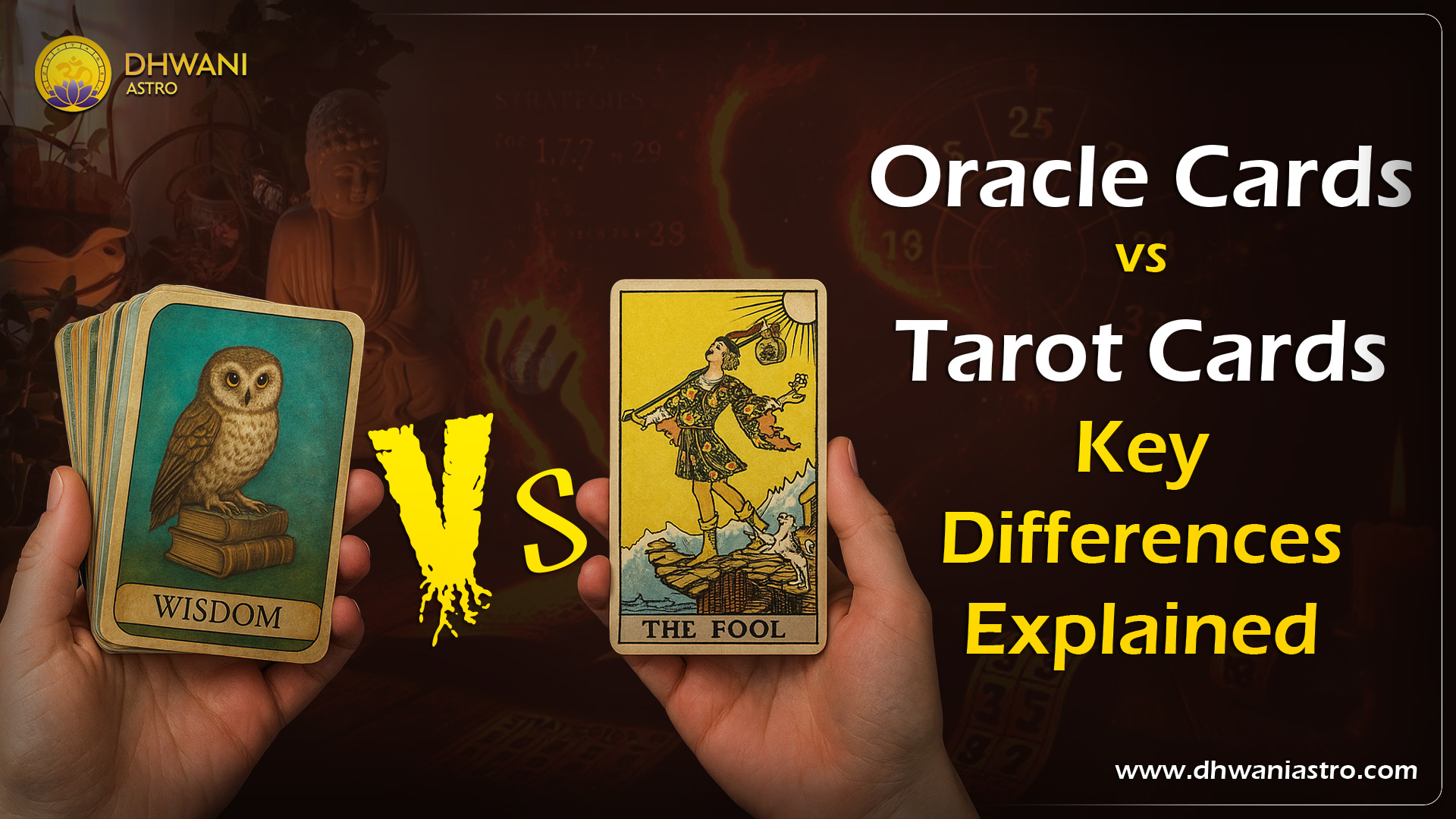
Angel Cards: Heaven’s Gentle Whisper
Angel Cards are a more recent addition to the divination family, typically consisting of 44 to 52 cards. Unlike Tarot, they don’t follow a rigid structure. Instead, they focus on uplifting messages, divine guidance, and the loving presence of angels. Each card is a beacon of hope, often featuring serene imagery of angels, nature, or sacred symbols. The language here is simple, direct, and infused with warmth—like a hug from the universe.
Where Tarot might ask, “What challenges lie ahead?” Angel Cards respond with, “You are loved, and here’s how to embrace your path.” Cards like “Divine Guidance,” “Protection,” and “Joy” act as affirmations, reminding you of your connection to something greater. Angel Cards are ideal for those seeking comfort, reassurance, or a gentle nudge toward their highest good. They don’t dwell on negativity but instead shine a light on the blessings and opportunities around you.
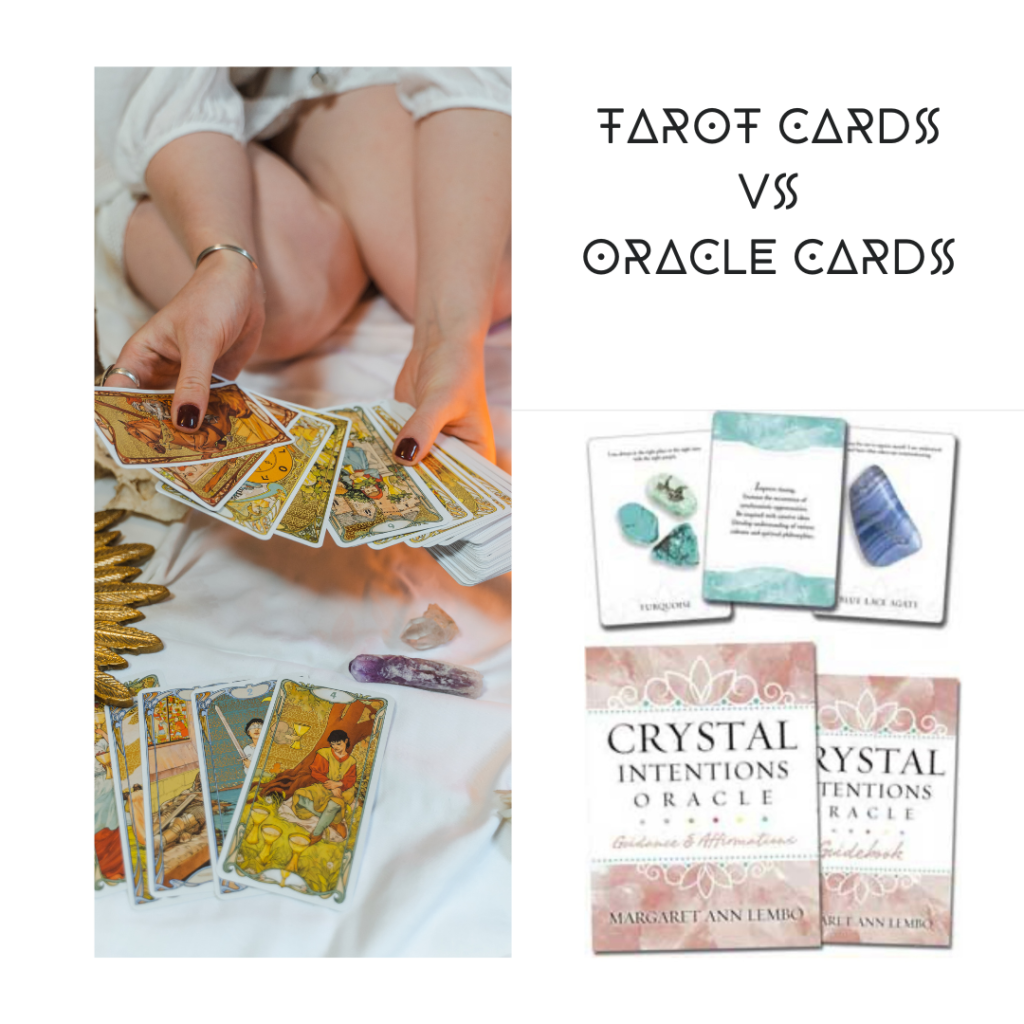
Structure and Symbolism: The Building Blocks of Each System
The structural differences between Angel Cards and Tarot are stark, reflecting their unique purposes. Tarot’s 78-card system is a labyrinth of interconnected meanings, where every card’s position in a spread (like the Celtic Cross or a simple three-card layout) adds layers of interpretation. The suits, numbers, and court cards (Page, Knight, Queen, King) all contribute to a complex web of symbolism that requires study and intuition to master.
Angel Cards, in contrast, are designed for accessibility. Their imagery is often more straightforward—think of a card depicting an angel holding a heart, with the message “Unconditional Love.” There’s no need to memorize suits or arcane symbols; the meaning is usually clear from the card’s title and image. This makes Angel Cards a welcoming entry point for beginners or those who prefer a more intuitive, less structured approach to divination.
Yet, don’t mistake simplicity for lack of depth. Angel Cards can be just as profound when read with an open heart. A card like “Transformation” might not have the layered history of The Tower, but its message of change and renewal can resonate just as deeply, especially when you’re in need of reassurance.
The Energy Behind the Cards: Intuition vs. Tradition
The energy you feel when working with Tarot versus Angel Cards can be worlds apart. Tarot often feels like a conversation with your higher self or the universe, where the cards challenge you to look deeper, question, and grow. There’s an element of mystery, even confrontation, in Tarot’s messages. It doesn’t always tell you what you want to hear but what you need to hear.
Angel Cards, meanwhile, envelop you in a blanket of warmth and positivity. Their energy is like a divine pat on the back, encouraging you to trust, release fear, and move forward with faith. They’re the voice of compassion, reminding you that you’re never alone. This makes Angel Cards particularly powerful during times of doubt, grief, or uncertainty, when a gentle reminder of hope can be life-changing.
Think of Tarot as a wise mentor—stern but wise, guiding you through life’s labyrinth with tough love. Angel Cards are the loving parent, always there to offer a hug, a kind word, and the assurance that everything will be okay. Both are essential, but their energies serve different needs.
Practical Uses: How to Work with Each Deck
Tarot is incredibly versatile. It can be used for self-reflection, decision-making, shadow work, or even creative inspiration. Many people pull a daily card to set an intention or use spreads like the “Past-Present-Future” to gain clarity on a situation. Tarot’s depth makes it suitable for those who enjoy ritual, study, and diving into the symbolic language of the cards.
Angel Cards shine in moments of need. They’re perfect for daily pulls when you’re seeking motivation, for meditation to invite divine energy, or as a tool for affirmation work. Because their messages are so direct, they’re also great for group readings or sharing with friends who might not be familiar with divination. You might pull an Angel Card before a job interview, a difficult conversation, or a moment of personal growth to remind yourself of your inner strength and the support surrounding you.
Some practitioners blend both decks, using Tarot for deep introspection and Angel Cards for daily encouragement. Others choose one based on their current needs—Tarot for the journey inward, Angel Cards for the journey toward light.
Choosing Your Path: Which Deck Calls to You?
The choice between Angel Cards and Tarot often comes down to personal resonance. Do you crave structure and depth, or do you prefer simplicity and uplifting messages? Are you drawn to the dramatic, symbolic language of Tarot, or the gentle, affirming tones of Angel Cards? There’s no wrong answer—only what feels right for your soul.
If you’re new to divination, Angel Cards might feel like a gentler introduction. Their straightforward messages can help build confidence in your intuitive abilities without the pressure of memorizing complex systems. As you grow, you might find yourself naturally drawn to Tarot’s complexity and the rich tapestry of its stories.
Alternatively, you might already have a Tarot deck but feel called to add Angel Cards to your collection for those moments when you need a reminder of divine love and support. Many people keep both decks on hand, allowing each to serve a different purpose in their spiritual practice.
Conclusion: Embracing the Magic of Both Worlds
Angel Cards and Tarot Cards are not rivals but companions on the spiritual path. Tarot offers a mirror to the soul, reflecting its complexities, challenges, and triumphs with unflinching honesty. Angel Cards, meanwhile, are a lighthouse, guiding you back to the shore of hope and love whenever you feel lost. Together, they form a complete toolkit for navigating life’s journey—one that honors both the shadows and the light.
Whether you’re drawn to the cosmic storytelling of Tarot or the heavenly whispers of Angel Cards, the most important thing is to listen. Let the cards be your guide, your comfort, and your reminder that you are always supported, always loved, and always on the right path. The universe speaks in many languages; it’s up to you to find the one that resonates deepest within your heart.
FAQ
What is the main difference between Angel Cards and Tarot Cards?
Angel Cards provide simple, uplifting messages with straightforward imagery, while Tarot Cards use a structured 78-card system rich in symbolism for deeper psychological insights.
Which deck is better for beginners?
Angel Cards are often better for beginners due to their easy-to-understand messages and lack of complex symbolism.
Can Angel Cards and Tarot Cards be used together?
Yes, many readers use both decks, combining Tarot for in-depth readings and Angel Cards for daily encouragement.
Do Angel Cards have a fixed structure like Tarot?
No, Angel Cards do not have a fixed structure and are more flexible and intuitive.
What energies do Tarot and Angel Cards convey?
Tarot often conveys challenging and transformative energies, while Angel Cards focus on warmth, hope, and positive encouragement.
Leave a Reply