Short Answer
Welcome to a deep exploration of authority in the tarot, where control, leadership, and hidden influence converge in a dance of power and perception. This guide will unravel the symbolic threads of authority across the tarot deck, revealing how cards like The Emperor, King of Pentacles, and others embody the essence of command, strategy, and subtle manipulation. You’ll discover how these archetypes shape decisions, relationships, and personal growth, and how their lessons can be applied to modern life. Prepare to see authority not just as dominance, but as a nuanced force—one that can inspire, control, or even deceive, depending on its use.
The Emperor: The Architect of Order and Control
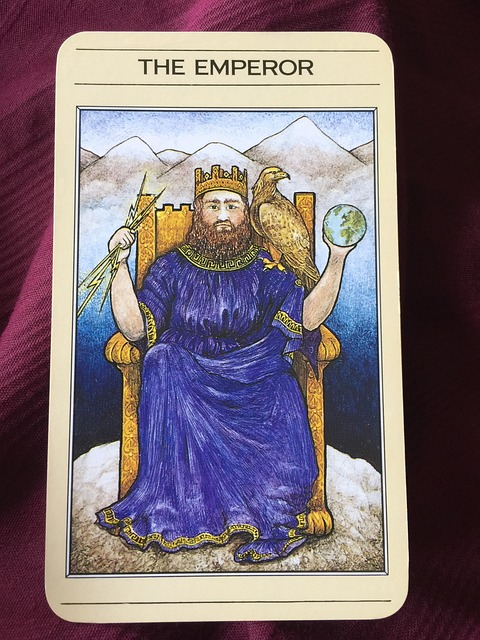
The Emperor stands as the quintessential symbol of structured authority, embodying the disciplined application of power. In the tarot, this card represents the establishment of rules, hierarchies, and systems that bring order to chaos. His throne, adorned with ram’s heads, hints at his connection to Aries’ assertive energy, while his scepter and orb signify dominion over both material and spiritual realms. This card often appears when you’re called to take charge, whether in your career, personal life, or spiritual journey.
Metaphorically, The Emperor is the chess master moving pieces with precision, ensuring every action aligns with a grand design. His influence is not about brute force but about creating frameworks that others willingly follow. When this card surfaces in a reading, it may signal a need to assert leadership, set boundaries, or enforce discipline. Yet, it also warns against rigidity—authority without flexibility can become tyranny. The Emperor teaches that true power lies in balance: structure must serve purpose, not stifle it.

King of Pentacles: Prosperity Through Mastery
The King of Pentacles is the embodiment of material authority, where leadership is measured by tangible success and financial acumen. Unlike The Emperor’s imperial dominance, this king’s power is rooted in practicality—he rules not through edicts but through the accumulation of wealth, resources, and stability. His throne sits atop a fertile field, symbolizing the rewards of hard work and strategic planning. This card often appears when you’re being called to take charge of your finances, career, or personal resources with confidence.
Metaphorically, the King of Pentacles is the entrepreneur who turns ideas into empires, the mentor who guides others to self-sufficiency, or the individual who builds legacy through perseverance. His influence is subtle yet profound; he doesn’t demand obedience but earns respect through results. When this card appears, it may be time to step into a leadership role, invest in your goals, or share your expertise with others. However, the King of Pentacles also cautions against greed—authority must be wielded with generosity, ensuring that prosperity is shared rather than hoarded.

Hidden Influence: The Emperor’s Shadow and the Empress’s Grace
Authority isn’t always overt; sometimes, it operates in the shadows, wielded through charm, intuition, or manipulation. The Emperor’s counterpart, The Empress, represents the hidden influence of nurturing power—where authority is exercised through persuasion, creativity, and emotional intelligence. While The Emperor commands with a scepter, The Empress rules with a scepter of flowers, blending strength with softness. Together, these cards illustrate the duality of authority: it can be a hammer or a velvet glove, depending on the wielder’s intent.
Consider the metaphor of a queen who rules not by decree but by the loyalty she inspires. Her authority is invisible yet undeniable, woven into the fabric of relationships and decisions. In readings, these cards may suggest that your influence is more potent when it’s subtle—guiding without dictating, leading without demanding. The challenge lies in recognizing when to assert control and when to allow others to rise under your guidance. Authority, in its highest form, is not about domination but about creating space for others to thrive.
Authority in Relationships: Power Dynamics and Trust
Authority shapes relationships in profound ways, whether through leadership, mentorship, or even manipulation. In tarot, cards like The Hierophant (traditional authority) and The Magician (personal power) highlight different dynamics: one rooted in tradition and the other in individual agency. The Hierophant represents institutional authority—religious, educational, or cultural—while The Magician embodies the authority of self-mastery, where power comes from skill and will. Understanding these nuances can help you navigate power imbalances in your life.
Metaphorically, authority in relationships is like a dance. Too much control can suffocate, while too little can lead to chaos. The key is mutual respect—where leadership is shared, and influence is reciprocal. For example, a parent’s authority over a child evolves into guidance as the child grows. Similarly, in romantic relationships, authority can shift from one partner to another depending on the situation. The tarot encourages you to ask: Who holds the power in this dynamic, and is it being used ethically? Authority should empower, not oppress.
Applying Tarot’s Lessons to Modern Leadership
The tarot’s lessons on authority are timeless, offering insights into modern leadership challenges. Whether you’re a CEO, a team leader, or someone striving to take charge of your life, these cards provide a roadmap for wielding power responsibly. The Emperor teaches the importance of structure, The King of Pentacles emphasizes practical success, and The Empress reminds us that influence can be gentle yet transformative. The challenge is to integrate these archetypes into your approach—balancing control with compassion, ambition with ethics.
Consider how you can apply these principles in your daily life. Are you leading with clarity like The Emperor, or are you nurturing growth like The Empress? Do you prioritize material success like the King of Pentacles, or do you seek to inspire through wisdom? The tarot doesn’t just predict outcomes; it invites you to reflect on how you use your power. Authority, when harnessed with intention, can be a force for positive change—whether in your career, relationships, or personal development.
Conclusion
Authority in the tarot is a multifaceted gem, reflecting the complexities of power, leadership, and influence. From The Emperor’s disciplined command to the King of Pentacles’ prosperity-driven mastery, and from The Empress’s hidden grace to The Magician’s self-made prowess, these cards offer a rich tapestry of lessons. Authority isn’t just about control—it’s about responsibility, strategy, and the ability to inspire. Whether you’re seeking to understand your own leadership style or navigating power dynamics in your life, the tarot provides a mirror to reflect on how you wield your influence.
Remember, true authority isn’t about domination but about creating order, fostering growth, and guiding others with integrity. The next time you encounter these cards in a reading, ask yourself: How can I use my power to build rather than break? How can I lead with both strength and compassion? The answers lie in the symbols and stories of the tarot, waiting to be uncovered.
FAQ
What does The Emperor card represent in tarot?
The Emperor represents structured authority, leadership, and the establishment of order and rules in various aspects of life.
How does the King of Pentacles embody authority?
The King of Pentacles embodies authority through material success, financial acumen, and practical leadership.
What is the relationship between The Emperor and The Empress in tarot?
The Emperor represents overt authority while The Empress symbolizes hidden influence through nurturing and emotional intelligence.
FAQ
What does The Emperor card represent in tarot?
The Emperor represents structured authority, leadership, and the establishment of order and rules in various aspects of life.
How does the King of Pentacles embody authority?
The King of Pentacles embodies authority through material success, financial acumen, and practical leadership.
What is the relationship between The Emperor and The Empress in tarot?
The Emperor represents overt authority while The Empress symbolizes hidden influence through nurturing and emotional intelligence.
FAQ
What does The Emperor card signify in tarot?
The Emperor represents structured authority, discipline, and the establishment of order, often indicating a call to leadership.
How does authority manifest in tarot relationships?
Authority in tarot relationships can be seen as a balance of power dynamics, with cards like The Hierophant and The Magician illustrating different aspects of influence.
Leave a Reply