Short Answer
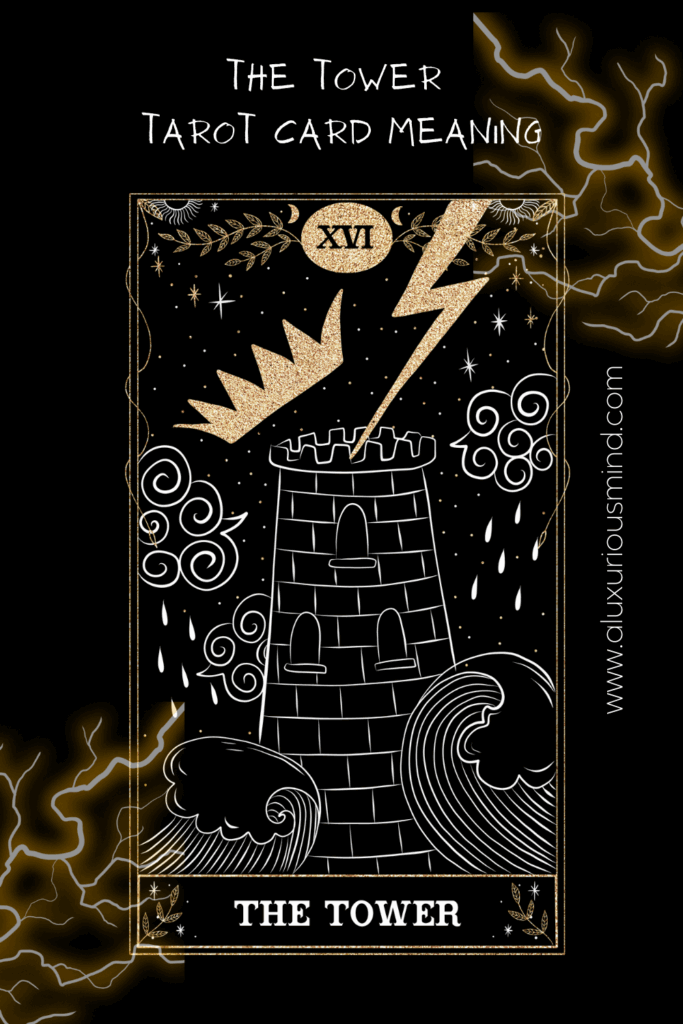
The Tower Tarot card, often depicted with flames and disarray, symbolizes a radical shift and inevitable upheaval. In the Christian perspective, this card manifests deeper meanings intertwined with spiritual significance and biblical theology. This exploration delves into the multifaceted interpretations of the Burning Tower Tarot card through a Christian lens.
Firstly, it is essential to comprehend the aesthetic representation of the Tower. The imagery typically evokes the chaos of destruction and the fleeting nature of human security. To Christians, this resonates with the biblical notion of worldly foundations that are ultimately fallible. In Proverbs 10:25, it states, “When the storm has swept by, the wicked are gone, but the righteous stand firm forever.” This invites contemplation on the impermanence of earthly structures, both literal and metaphorical.
Moreover, the Burning Tower serves as a stark reminder of divine intervention. In biblical narratives, God often employs catastrophic measures to realign people with His will. The fall of Babylon in Revelation is an apt analogy here. It exemplifies a total collapse of a seeming mighty structure representing human pride and wickedness. This reflects the Tower’s symbolism; it signifies not merely destruction but a divine catalyst for renewal.
From this vantage point, the Tower can symbolize significant transitions set in motion by God’s hand. In a Christian context, these transitions are reframed as ‘God’s purging fire’. Just as gold is refined through fire to remove impurities, so too does the collapse of the Tower signify the removal of misguided faith. God’s reformation through trials enhances spiritual resilience, aligning followers closer to His purpose. Such trials can provoke profound inner strength and transformational growth.
Furthermore, the notion of awakening plays a pivotal role in the interpretation of the Burning Tower. The chaotic imagery prompts believers to assess their lives critically. When the Tower falls, it serves as an epiphany—a call to rise above superficial existence and seek deeper spiritual truths. It is akin to 2 Corinthians 5:17, which conveys the essence of becoming a new creation in Christ. Destruction, therefore, becomes a precursor to righting one’s relationship with God, embracing a life that is anchored in faith rather than worldly vigor.
The Tower’s flames can also denote purification—a concept deeply entrenched in Christian theology. Fire in scripture often symbolizes the presence of God, as seen in the burning bush or Pentecost. The burning nature of the Tower can be viewed as a transformative force, inviting believers to let go of erroneous beliefs or relationships that impede spiritual enlightenment. Thus, the flames are not merely destructive but serve as sanctifying agents of rebirth.
Another compelling aspect to consider is the idea of community within the burning chaos. The depiction of individuals tumbling from the Tower resonates with the shared struggles of humanity. In Christianity, the communal suffering is acknowledged, emphasizing collective perseverance through hardships. Romans 12:12 asserts, “Be joyful in hope, patient in affliction, faithful in prayer.” This sentiment rings true as believers often experience spiritual solidarity amidst trials, encouraging one another to navigate through life’s upheavals.
Moreover, the Burning Tower can impart warnings about the hazards of hubris. Biblical accounts often highlight the downfall of the proud. The Tower of Babel serves as a prime example of humanity’s ambition leading to divine intervention. The burning imagery of the Tower echoes this warning, urging Christians to practice humility and recognize the ultimate authority of God over earthly pursuits. Such a reminder is essential in a world that increasingly prioritizes personal achievement over spiritual well-being.
In contemplating the implications of the Burning Tower, it is equally crucial to examine the potential for hope that emerges from destruction. Just as Christ’s crucifixion was a moment of darkness leading to resurrection, so too does the collapse of the Tower herald new beginnings. It encapsulates the essence of suffering preceding divine glory. This cyclical nature of despair and hope resonates deeply with the Christian belief in redemption.
Finally, interpreting the Burning Tower Tarot card within a Christian framework engenders a holistic understanding of life’s tribulations. It elevates challenges to opportunities for reflection, transformation, and spiritual awakening. The flames that consume the Tower are, in essence, the fires of sanctification. By embracing the lessons embedded within turmoil, believers are nudged toward a path of deeper faith and enduring hope.
In conclusion, the Burning Tower Tarot card is not merely a sign of disarray; rather, it is a comprehensive metaphor for the Christian journey. It encompasses themes of divine intervention, purification, humility, communal strength, and renewed hope. This multifarious interpretation invites individuals to reflect on their spiritual integrity and reassess the foundations upon which they build their lives. Through its striking imagery and profound symbolism, the Burning Tower continues to provoke thought, challenge perspectives, and prompt transformation in the pursuit of a more robust faith.
FAQ
What does the Burning Tower Tarot card symbolize?
It symbolizes upheaval, transformation, and divine intervention, particularly from a Christian perspective.
How is the Burning Tower interpreted in a Christian context?
It is seen as a reminder of divine purification and a call to reassess one's spiritual foundations.
Leave a Reply