Short Answer
In this comprehensive guide, you’ll explore the enigmatic and often misunderstood Tarot card known as The Tower. You’ll uncover its symbolic meanings, historical roots, and psychological interpretations, as well as why it continues to captivate people across cultures and eras. Whether you’re a seasoned Tarot reader or a curious newcomer, this article will deepen your understanding of The Tower’s role in divination, personal growth, and spiritual exploration.
The Tower in Tarot: A Card of Sudden Change and Upheaval
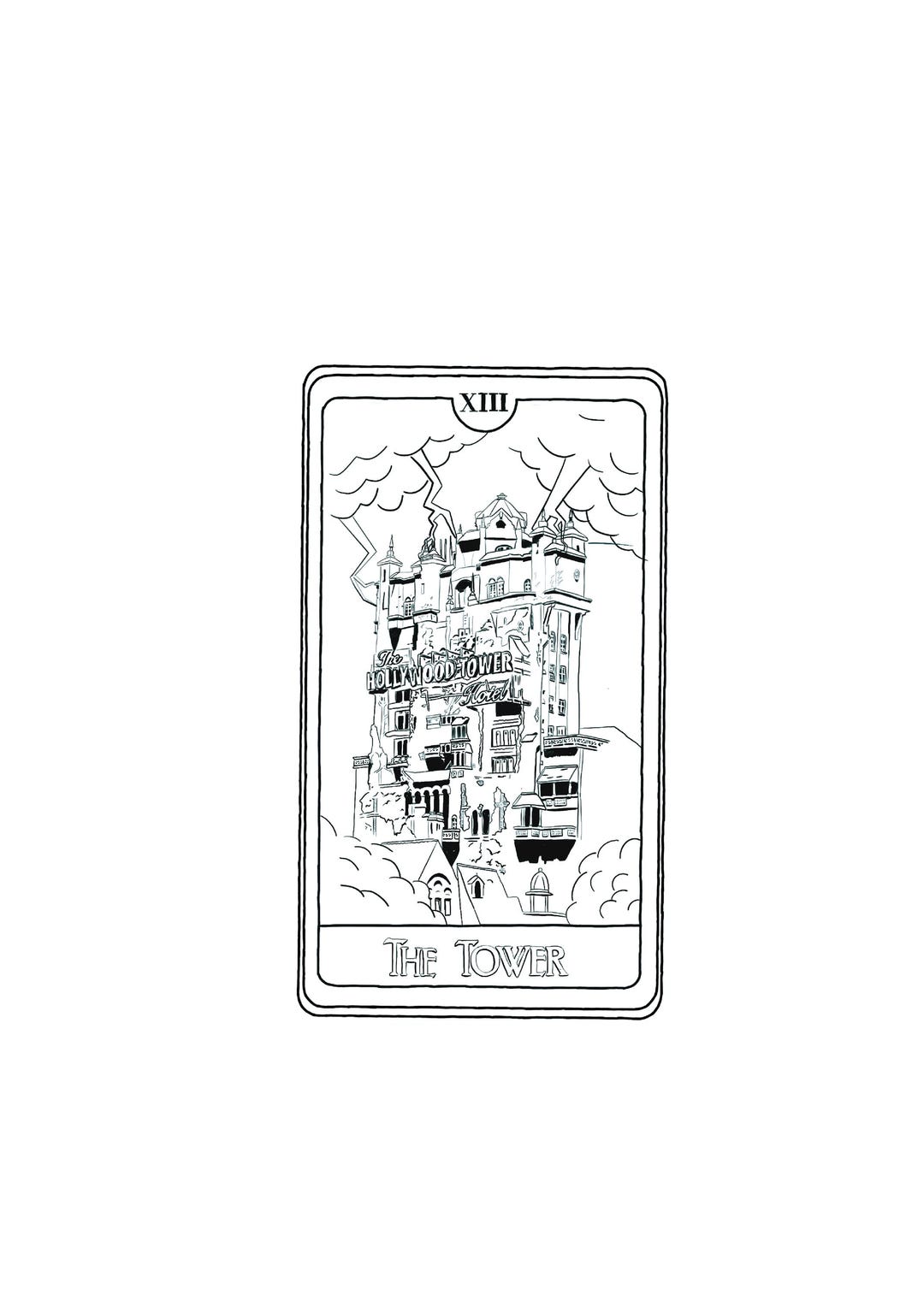
The Tower is the sixteenth card in the Major Arcana of the Tarot deck, often depicted as a tall structure struck by lightning, with flames engulfing its top and figures plummeting from its windows. This imagery is far from subtle—it represents abrupt, often traumatic change that shatters illusions and forces a reckoning with reality. Unlike other cards that suggest gradual transformation, The Tower embodies the idea that sometimes, life delivers a wake-up call so jarring it cannot be ignored.
At its core, The Tower symbolizes the collapse of false structures—whether they are beliefs, relationships, careers, or societal norms. The lightning bolt, a universal symbol of divine intervention or cosmic justice, strikes without warning, underscoring the unpredictable nature of such upheavals. The falling figures represent the ego’s resistance to change, crashing down as the old order crumbles. This card doesn’t just warn of destruction; it promises liberation from what no longer serves you, even if the process is painful.
Many people are drawn to The Tower because it resonates with the raw, unfiltered moments of life when everything feels as though it’s falling apart. There’s a fascination with its power to dismantle the familiar, offering a glimpse into the possibility of rebirth. Yet, this fascination often masks a deeper curiosity: What lies beyond the ruins? The Tower doesn’t just represent loss—it hints at the potential for renewal that follows destruction.

The Tower’s imagery is deliberately dramatic to emphasize its message: transformation rarely comes gently. It’s the card of the “dark night of the soul,” the moment when everything you thought you knew is called into question. For those who have experienced sudden loss, betrayal, or upheaval, The Tower can feel like a mirror held up to their pain. Yet, it’s also a reminder that destruction is not the end—it’s the first step toward rebuilding on firmer ground.
Historical and Mythological Roots of The Tower
The Tower’s origins in Tarot are shrouded in mystery, but its themes echo throughout history and mythology. Some scholars trace its symbolism to the biblical story of the Tower of Babel, where humanity’s hubris led to the collapse of a grand structure and the scattering of its builders. This tale serves as a cautionary reminder of the dangers of overreaching ambition and the fragility of human constructs. Similarly, The Tower in Tarot warns against clinging too tightly to illusions of control or permanence.
In medieval Europe, the Tower was often associated with prisons or places of confinement, reinforcing its connection to confinement—whether literal or metaphorical. The card’s imagery of figures falling from a height also parallels myths of divine punishment, such as the fall of Icarus, who flew too close to the sun and paid the price for his arrogance. These stories, like The Tower, serve as allegories for the consequences of defying natural or cosmic laws.
Tarot’s evolution in the 18th and 19th centuries, particularly through the works of occultists like the Hermetic Order of the Golden Dawn, solidified The Tower’s place as a card of revelation and disruption. The Golden Dawn’s interpretations emphasized its role in breaking through egoic attachments, aligning with the card’s modern psychological readings. Today, The Tower remains a potent symbol in both esoteric and mainstream culture, appearing in everything from literature to film as a metaphor for collapse and transformation.

Understanding The Tower’s historical context adds depth to its meaning. It’s not just a card about bad luck or misfortune; it’s a testament to the cyclical nature of existence, where destruction and creation are two sides of the same coin. The Tower’s presence in Tarot decks across centuries proves its universal appeal—a reminder that no matter how advanced society becomes, the forces of change remain constant.
Psychological and Spiritual Interpretations of The Tower
From a psychological perspective, The Tower aligns closely with the concept of cognitive dissonance—the mental discomfort experienced when confronted with information that contradicts deeply held beliefs. The card’s sudden collapse mirrors the moment when the ego can no longer sustain its illusions, forcing a reckoning with truth. Carl Jung’s theories on individuation, the process of becoming whole, also resonate here. The Tower represents the “shadow” aspects of the self that must be acknowledged and integrated for true growth to occur.
In spiritual traditions, The Tower is often seen as a catalyst for awakening. It strips away the superficial layers of identity, revealing the raw essence beneath. This can be a painful process, akin to the Hindu concept of lila—the divine play that includes both creation and destruction. The Tower’s fire is purifying, burning away what is no longer needed to make way for a clearer, more authentic path. Many mystics and spiritual seekers view The Tower as a necessary evil, a divine intervention that clears the way for higher consciousness.
For those on a spiritual journey, The Tower can be a wake-up call from the universe. It might appear when you’re clinging to a relationship, job, or belief system that no longer aligns with your highest good. The card doesn’t offer comfort in the traditional sense; instead, it offers the uncomfortable truth that sometimes, the only way forward is through the wreckage. This aligns with the Buddhist concept of dukkha—the suffering that arises from attachment—and the path to liberation through detachment.
The Tower’s psychological and spiritual layers are what make it so compelling. It doesn’t just predict change; it explains why change is necessary. It’s the card of the “rock bottom” moments that precede profound transformation, the kind of experiences that leave you forever changed. For those who have weathered such storms, The Tower becomes a symbol of resilience—a reminder that even in the darkest moments, rebirth is possible.
Common Misconceptions and How to Interpret The Tower Accurately
One of the biggest misconceptions about The Tower is that it’s a purely negative card, a harbinger of doom and disaster. While it’s true that The Tower often signals upheaval, interpreting it solely as bad news overlooks its deeper message of liberation. The destruction it brings is not arbitrary; it’s a necessary clearing of space for something new to emerge. Those who see The Tower as purely ominous may be resisting the very change it’s trying to facilitate.
Another common mistake is assuming that The Tower’s effects are always external—job loss, relationship breakdowns, or financial crises. While it can certainly manifest in these ways, The Tower is equally powerful as an internal force. It might represent the collapse of a long-held belief, the shattering of an identity you’ve outgrown, or the dissolution of a dream that no longer serves you. In these cases, The Tower’s “destruction” is a gift, even if it doesn’t feel like one in the moment.
Timing is also a frequent point of confusion. Some believe that The Tower’s appearance in a reading means disaster is imminent, but Tarot is not a tool for predicting the future with certainty. Instead, it offers guidance on how to navigate challenges. The Tower might appear to warn of an impending storm, but it also provides the tools to weather it—resilience, adaptability, and the courage to rebuild. The key is to view The Tower not as a prediction of doom, but as a call to prepare for transformation.
Finally, many people struggle with the idea that The Tower’s changes are unavoidable. While it’s true that The Tower often signifies events outside our control, its message is not one of helplessness. It’s an invitation to surrender to the process, to trust that the destruction is leading to something greater. This is where the card’s spiritual dimension shines: The Tower teaches that sometimes, the only way to grow is to let go of what no longer serves us, even if it feels like jumping into the unknown.
To interpret The Tower accurately, it’s essential to look at the surrounding cards in a spread. If it appears alongside cards like The Star or The Sun, its message is likely one of hope and renewal. If it’s paired with The Devil or Ten of Swords, it may indicate a more challenging breakdown. The Tower’s true power lies in its ability to reveal the truth, no matter how uncomfortable—and that truth is always the first step toward healing.
How to Work with The Tower in Readings and Personal Growth
If The Tower appears in a reading, the first step is to acknowledge its message without resistance. Ask yourself: What false structure is this card trying to dismantle in my life? Whether it’s a toxic relationship, a dead-end job, or a belief system that no longer serves you, The Tower is urging you to let it go. Resisting this change will only prolong the suffering; surrendering to it can lead to profound growth.
For those seeking to harness The Tower’s energy proactively, consider rituals or practices that embrace its themes of release and renewal. Burning old journals, decluttering your space, or even writing down what you’re ready to let go of can be powerful symbolic acts. The Tower thrives on authenticity, so the more honest you are with yourself about what needs to change, the more aligned you’ll become with its transformative power.
In meditation or journaling, you might visualize The Tower’s lightning strike as a moment of clarity—a flash of insight that illuminates what’s no longer serving you. Ask yourself: What am I afraid to lose? and What am I ready to rebuild? The Tower doesn’t just demand destruction; it invites co-creation. After the collapse comes the opportunity to design something new, something that aligns more closely with your true self.
For Tarot readers, The Tower can be a challenging card to deliver in a reading, especially if the querent is already in a fragile state. Approach it with compassion, framing it not as a warning of doom, but as an opportunity for growth. You might say, “This card suggests a significant change is coming. While it may feel destabilizing, it’s also clearing the way for something better. Are there areas of your life where you’ve outgrown the current structure?” This reframing can help the querent see The Tower as a guide rather than a threat.
The Tower’s energy is intense, but it’s also deeply empowering. It reminds us that we are not victims of circumstance; we are participants in our own evolution. By embracing its lessons, we learn to trust the process of life, even when it feels like everything is falling apart.
Conclusion
The Tower is one of the most feared yet fascinating cards in the Tarot deck. Its imagery is dramatic, its message is unsettling, and its power is undeniable. Yet, for all its associations with destruction, The Tower is ultimately a card of liberation—a force that clears away the old to make space for the new. Its fascination lies in its ability to mirror the raw, unfiltered moments of life when everything changes in an instant, forcing us to confront the truth of our existence.
Whether you encounter The Tower in a reading or in your personal journey, its message is clear: destruction is not the end. It’s the beginning of something greater. The Tower teaches us to embrace change, even when it’s painful, and to trust that the ruins we leave behind are the foundation for a stronger, more authentic life. In a world that often clings to illusion, The Tower stands as a reminder that truth, no matter how harsh, is the path to freedom.
So the next time The Tower appears, don’t turn away. Look closely. The lightning strike is not a punishment—it’s an awakening. And in the ashes of what was, something new is waiting to rise.
FAQ
What does The Tower card represent in Tarot?
The Tower card represents sudden change, upheaval, and the collapse of false structures, leading to potential liberation and renewal.
Is The Tower card always negative?
No, while The Tower signifies upheaval, it also symbolizes necessary change that can lead to personal growth and transformation.
Leave a Reply