Short Answer
In the world of Tarot, the cards serve as a mirror reflecting the intricate tapestry of human experience. Amongst the array of symbols and narratives, the Death card emerges, often eliciting trepidation and misunderstanding. However, beneath its macabre title lies a rich tapestry of meanings, offering profound insights into transformation, renewal, and the cyclical nature of existence.
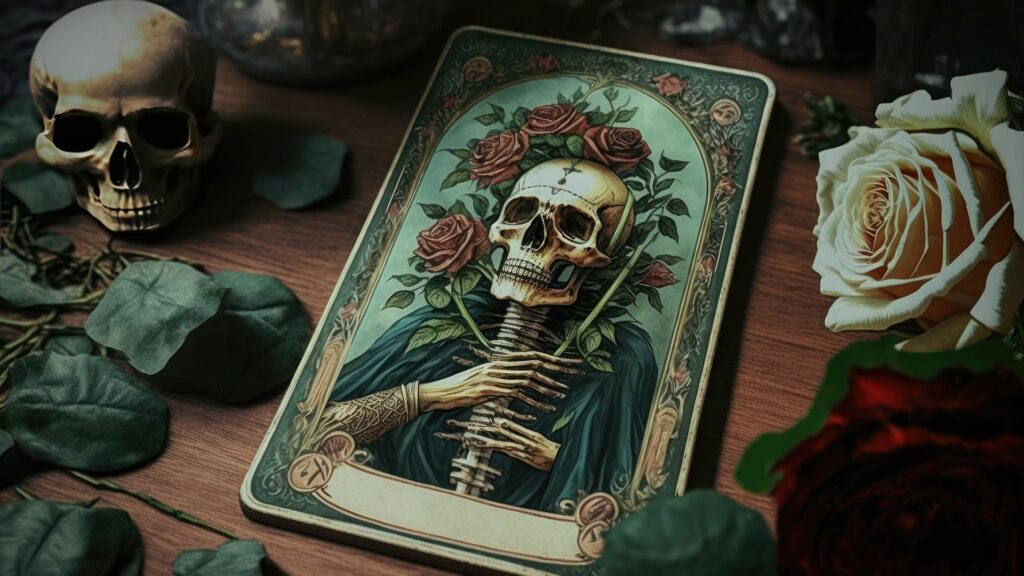
The Death card, numbered thirteen in the Major Arcana, is a complex figure riddled with symbolic nuance. Typically depicted as a skeletal figure wielding a scythe, it captures the imagination. This imagery evokes the specter of mortality, yet it is crucial to interpret it not as an omen of physical demise but as a herald of metamorphosis. Just as a caterpillar must shed its former self to emerge as a butterfly, so too does the Death card signify an imperious transition, a definitive end that paves the way for new beginnings.
One cannot encapsulate the essence of the Death card without delving into its primary meaning: transformation. This transformation heralds the conclusion of a phase in life, ushering in fresh opportunities. Consider the changing seasons; autumn’s foliage succumbs to decay, paving the way for winter. Yet, from this apparent desolation, spring will soon burst forth, vibrant and replete with life. This cycle mirrors the human experience, encapsulating the inevitability of change and the potential for rebirth.
In readings, when the Death card emerges, it often signifies that one chapter is coming to a close. This can manifest in myriad forms: a relationship reaching its natural conclusion, a career shift, or a fundamental change in personal beliefs. The card implores introspection, encouraging individuals to reflect on what no longer serves them, making space for the novel opportunities that lie ahead. Therefore, the presence of the Death card is less a source of fear and more a clarion call for evolution.
Moreover, the Death card revokes the notion that endings are inherently negative. It challenges the dichotomy of life and death, emphasizing their interconnectedness. Paradoxically, in fostering closure, the Death card cultivates hope. It compels individuals to confront their fears and relinquish attachments that inhibit growth. Just as in nature, decay is imperative; it enriches the soil, nurturing new life. Similarly, the metaphorical death of outdated habits or relationships fosters personal and spiritual growth.
Within the realms of Tarot, the symbolism of the Death card encompasses more than mere transformation. It embodies the essence of letting go. Imagine standing on the edge of a vast canyon, the vast expanse before you representing uncharted territory. To cross this canyon, one must first release all that anchors them to the familiar bank – fears, doubts, and past griefs. This act of letting go is poignant and often disconcerting, yet it is through this courageous act that one finds liberation. The symbolism is palpable: liberation follows loss, allowing for the emergence of the self.
Additionally, the Death card’s connotations extend to the broader theme of renewal. In many cultures, death is not viewed as an end but a transition to another state of being. This cultural perspective aligns seamlessly with the archetype of the Death card, which embodies not only the cessation of one phase but the vibrant initiation of another. It resonates with the principle of resurrection found in various mythologies, where the concept of cyclical rebirth reigns supreme.
Interestingly, the interplay between Death and the card that follows it – Temperance – accentuates this theme of integration and harmony. Where Death prompts release, Temperance invites balance, suggesting that after the tumult of transformation, there exists a period for calibration and synthesis of experiences. This juxtaposition is critical; it underscores that while transformation may be tumultuous, it is the balance that follows that fosters growth and equilibrium in one’s journey.
The card also invokes a sense of introspective contemplation. When met with the Death card in a reading, individuals may find themselves at a juncture where deep reflection is necessary. It encourages one to evaluate personal attachments, ambitions, and life trajectories. By fostering this contemplative stance, the card invites individuals to examine their emotional landscapes, cultivating an understanding of what is essential and what must be relinquished.
In summation, the Death card transcends simple associations with mortality. It resonates with the multifaceted themes of transformation, letting go, renewal, and introspection. Much like the phoenix that rises from its ashes, the Death card embodies the promise of rebirth through the medium of endings. It is an invitation to embark on a journey of self-discovery and growth – a reminder that within the cycles of life, death is but a precursor to new beginnings.
Embracing the Death card in Tarot is an entrancing journey into the heart of existence itself. It beckons individuals to confront their fears, shed their burdens, and emerge renewed, ready to embrace the myriad possibilities that life continually offers. When viewed through this lens, the Death card transforms from a harbinger of dread into a beacon of hope and rebirth, eternal elements of the human experience.
FAQ
What does the Death Tarot card signify?
The Death Tarot card signifies transformation and the end of one phase, making way for new beginnings.
How should I interpret the Death card in a reading?
In a reading, it often suggests that a significant change is occurring, prompting personal growth and reflection.
Leave a Reply