Short Answer
The Death Tarot card often evokes strong reactions—fear, curiosity, or even fascination—despite being one of the most misunderstood cards in the deck. In this guide, you’ll explore the true meaning of Death in Tarot, why it resonates so deeply with people, and how it reflects the natural cycles of transformation that govern life. By the end, you’ll understand why endings are not just inevitable but necessary for growth, and how the Death card can serve as a powerful guide through life’s most challenging transitions.
The Death Tarot Card: More Than Just an Ending
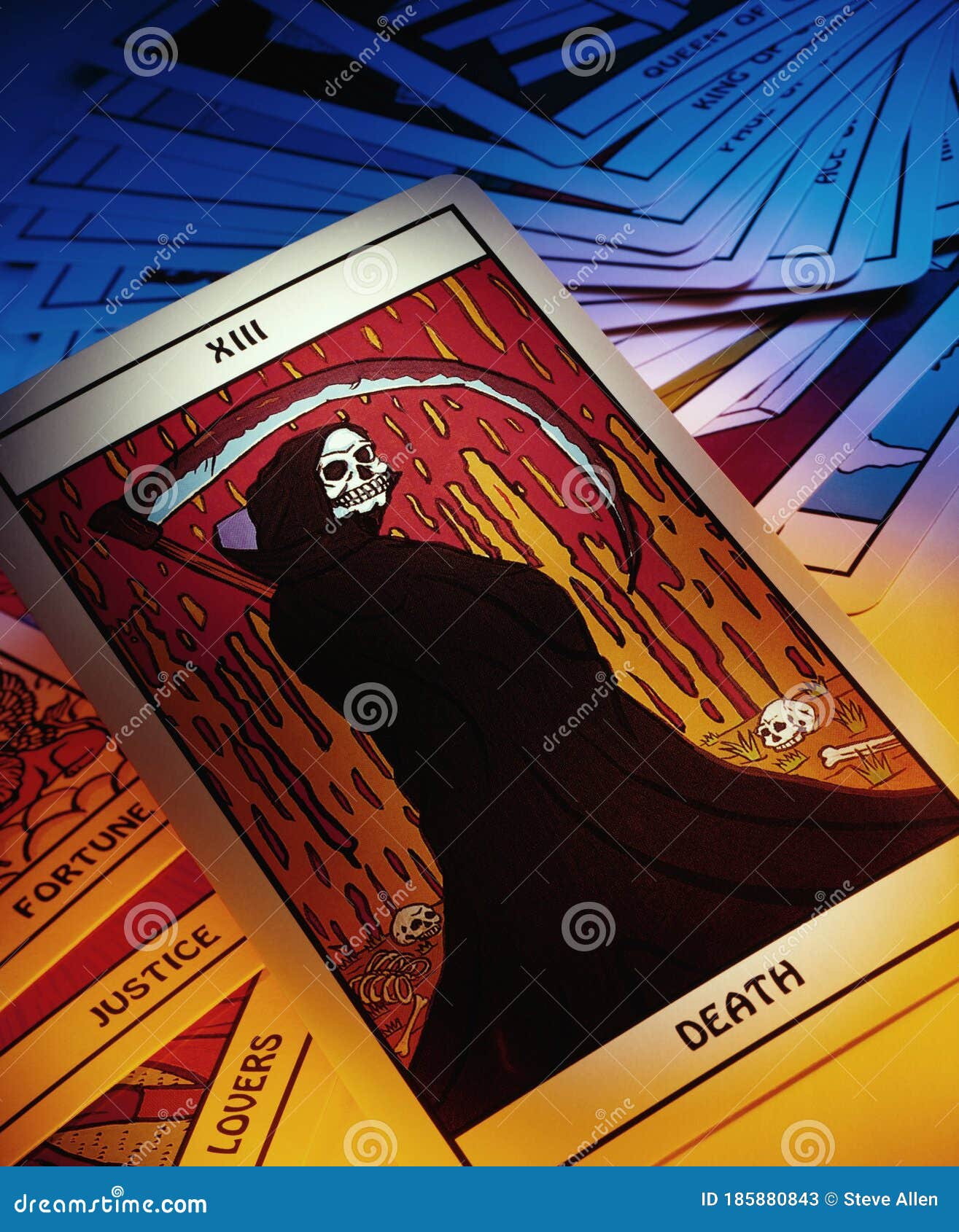
The Death Tarot card, numbered XIII in the Major Arcana, is often depicted as a skeletal figure riding a white horse, carrying a black flag adorned with a white rose. This imagery may seem ominous at first glance, but it’s far from a literal representation of physical death. Instead, the Death card symbolizes transformation, change, and the end of one phase to make way for another. It’s a card of rebirth, where what was once familiar must be released to allow something new to emerge.
Many people associate the Death card with loss or tragedy, but this interpretation overlooks its deeper message. The card doesn’t predict literal death; rather, it highlights the inevitability of change and the necessity of letting go. Whether it’s a relationship, a career, a belief system, or a personal habit, the Death card signals that certain aspects of your life have reached their natural conclusion. Resistance to this change only prolongs the discomfort, while acceptance paves the way for renewal.

Why the Death Card Fascinates—and Terrifies—Us
There’s a paradoxical allure to the Death card that makes it one of the most discussed in Tarot readings. On one hand, people are drawn to its raw honesty about life’s impermanence. On the other, the fear of the unknown—what comes after the “death” of a familiar identity or situation—can be paralyzing. This fascination isn’t just about mortality; it’s about the human desire to understand and control change.
Culturally, death is often taboo, something to be avoided or euphemized. Yet, the Death Tarot card forces us to confront it head-on, not as an enemy but as a necessary part of existence. This duality—fear and intrigue—explains why the card appears so frequently in readings about major life shifts. It’s a reminder that every ending is also a beginning, and that growth often requires shedding what no longer serves us.

Key Themes of the Death Card: What It Really Represents
The Death Tarot card is rich with symbolism, each element offering insight into its deeper meaning. Here are the most significant themes associated with the card:
- Transformation: The skeletal figure represents the stripping away of the old to make room for the new. This isn’t destruction but metamorphosis, like a caterpillar becoming a butterfly.
- Release: The white horse symbolizes purity and the inevitability of change. The black flag with a white rose suggests that even in endings, there is beauty and hope.
- Cycles of Life: The Death card aligns with the natural rhythms of life—seasons changing, night turning to day, and phases of personal growth. It’s a reminder that nothing is permanent, and that’s okay.
- Resistance vs. Acceptance: The card often appears when you’re clinging to something that’s already over. Its message is clear: letting go is not failure; it’s wisdom.
How to Interpret the Death Card in Readings
The Death card’s meaning can shift depending on its position in a spread and whether it appears upright or reversed. Here’s how to interpret it in different contexts:
Upright Death
When the Death card appears upright, it’s a clear sign that a significant transformation is underway or needed. This could manifest as:
- A career change or the end of a job that no longer fulfills you.
- The dissolution of a relationship that has run its course.
- A shift in personal beliefs or values that requires you to release old patterns.
- A major life decision that feels daunting but is ultimately for your highest good.
In this position, the Death card encourages you to embrace the change rather than fear it. It’s a call to trust the process, even if the outcome isn’t immediately clear.
Reversed Death
When the Death card appears reversed, it suggests resistance to necessary change. This could look like:
- Clinging to a situation or relationship that’s already over.
- Fear of letting go, even when it’s the healthiest choice.
- Stagnation or feeling “stuck” in a cycle that no longer serves you.
- A refusal to acknowledge that an era of your life has ended.
The reversed Death card is a wake-up call to examine where you’re holding on out of fear rather than necessity. It may also indicate that the transformation you’re resisting is closer than you think, and that avoidance will only prolong the discomfort.
Practical Ways to Work with the Death Card’s Energy
The Death Tarot card isn’t just a passive symbol—it’s an active force that can guide you through life’s transitions. Here are practical ways to align with its energy:
- Journaling: Write about what in your life feels like it’s “dying” or needs to end. What fears arise when you consider letting go? What possibilities could emerge if you did?
- Rituals of Release: Create a small ritual to symbolize the end of a chapter. This could be burning old letters, donating items that no longer serve you, or writing a letter to your past self acknowledging the growth that’s occurred.
- Meditation: Visualize the Death card’s imagery—a white horse, a skeletal figure, a black flag—and ask yourself what needs to be released. Trust the insights that arise, even if they feel uncomfortable.
- Embrace the Unknown: The Death card thrives in uncertainty. Instead of seeking absolute answers, practice sitting with the discomfort of not knowing what comes next. This builds resilience and trust in the process.
- Seek Support: If the changes feel overwhelming, don’t hesitate to reach out to friends, mentors, or even a therapist. Transformation is easier when you’re not navigating it alone.
Conclusion
The Death Tarot card is a profound reminder that endings are not the enemy—they are the gateways to new beginnings. Whether it appears in a reading or resonates with you on a personal level, its message is clear: what must end will end, and what will rise in its place is often far greater than what was lost. The fear of change is natural, but the Death card asks you to look beyond the fear and see the beauty in transformation.
Next time you encounter the Death card, whether in a spread or in your own reflections, remember that it’s not a warning of doom but an invitation to grow. Embrace the endings, trust the process, and step into the unknown with courage. After all, every phoenix must first burn before it can rise.
FAQ
What does the Death Tarot card symbolize?
The Death Tarot card symbolizes transformation, endings, and the necessity of letting go to allow for new beginnings.
Is the Death card about literal death?
No, the Death card does not predict physical death; it signifies change and the end of one phase of life.
Leave a Reply