Short Answer
Welcome to your guide on Deception Tarot Cards: Signs You’re Being Misled. Whether you’re navigating relationships, friendships, or even your own thoughts, deception can lurk in subtle ways. This guide will help you recognize the red flags in tarot readings and everyday life. You’ll learn how to interpret tarot cards that hint at dishonesty, uncover hidden motives, and protect yourself from being misled. By the end, you’ll have the tools to trust your intuition and make informed decisions.
What Are Deception Tarot Cards?
Deception tarot cards are cards that suggest dishonesty, hidden agendas, or misinformation in a reading. These cards often appear when someone is not being truthful, either with themselves or others. Common cards associated with deception include the Five of Cups (indicating regret or denial), the Seven of Swords (symbolizing sneakiness or manipulation), and the Page of Swords (representing a messenger who may not deliver the full truth).
These cards don’t always mean outright lies—they can also point to self-deception, where you’re ignoring your own instincts or rationalizing questionable behavior. For example, the Three of Cups reversed might suggest that a celebration or gathering is masking underlying tensions or secrets.
Key Tarot Cards That Signal Deception
Certain tarot cards are more likely to appear when deception is at play. Here’s a breakdown of the most telling ones:
- The Eight of Swords: This card often represents feeling trapped or restricted by lies, whether your own or someone else’s. It suggests you might be overthinking a situation or ignoring obvious clues.
- The Knight of Cups reversed: While the Knight of Cups usually symbolizes romance and idealism, reversed, it can indicate someone who is overly charming but insincere. Watch out for flattery that feels too good to be true.
- The Devil: This card represents bondage, addiction, or toxic attachments. If it appears in a reading about a person or situation, it may hint at manipulation or control.
- The Two of Pentacles reversed: This card suggests imbalance or instability. If someone is juggling too many lies, this card can reveal the cracks in their facade.
When these cards appear in a spread, pay attention to their context. Are they surrounding a specific person or situation? The surrounding cards can clarify whether the deception is coming from within or from an external source.
How to Spot Deception in a Tarot Reading
Reading tarot for deception requires a keen eye for details. Here’s how to approach it:
- Look for Contradictions: If a card’s traditional meaning clashes with the context of the reading, it might signal dishonesty. For example, the Ten of Wands usually represents burden, but if it appears in a love reading, it could hint at someone carrying secrets.
- Watch for Court Cards: Court cards like the Queen of Swords or King of Pentacles reversed can represent people who are manipulative or untrustworthy. Their presence in a reading about a specific person is a red flag.
- Note Reversed Cards: Reversed cards often indicate blocked energy or hidden truths. If multiple reversed cards appear, it’s worth asking why information is being withheld.
- Trust Your Gut: If a card feels “off” or doesn’t align with the rest of the spread, your intuition might be picking up on deception. Don’t dismiss these feelings.
Common Scenarios Where Deception Appears
Deception can manifest in various areas of life. Here are some common scenarios where tarot might reveal hidden truths:
In Relationships
If you’re questioning a partner’s loyalty, tarot can help uncover inconsistencies. The Three of Swords might indicate heartbreak or betrayal, while the Six of Cups reversed could suggest nostalgia masking current issues. Pay attention to cards like the Page of Cups reversed, which may hint at emotional dishonesty.
In Friendships
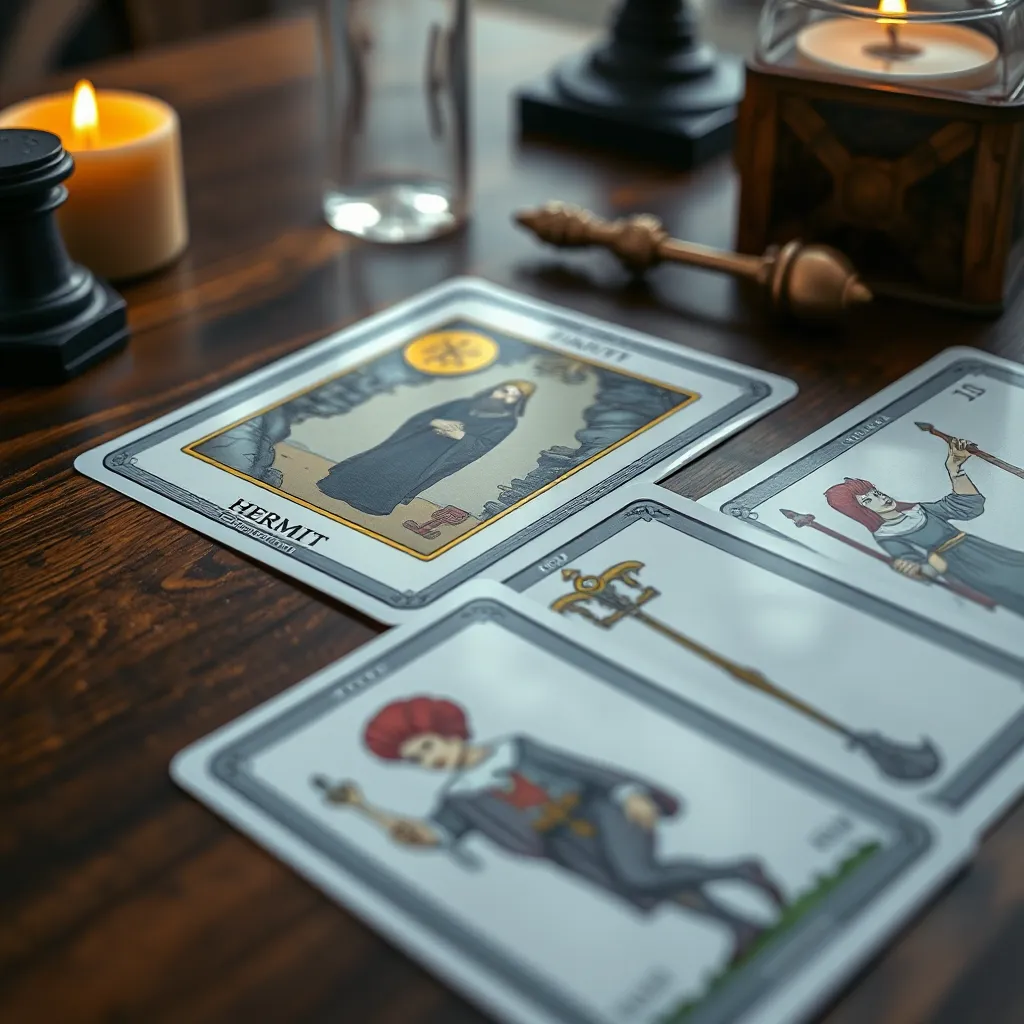
Friendships built on secrets or gossip can be toxic. The Three of Swords or Five of Swords might appear if a friend is spreading rumors or betraying your trust. The Hermit can indicate someone who isolates you from others, a form of emotional manipulation.
In Work or Business
Workplace deception can range from hidden agendas to outright fraud. The Ten of Swords might suggest a sudden betrayal, while the King of Swords reversed could represent a dishonest authority figure. If the Eight of Wands appears, it might indicate rushed decisions that hide ulterior motives.
Playing the Deception Challenge: A Fun Tarot Exercise
Ready to test your skills? Here’s a playful challenge to sharpen your ability to spot deception in tarot:
- Pull Three Cards: Draw three cards for a hypothetical situation where deception might be present. For example, “Is my coworker being honest about their intentions?”
- Analyze the Spread: Look for cards that suggest hidden motives, contradictions, or reversed energy. Does the spread feel balanced, or are there inconsistencies?
- Ask Follow-Up Questions: If a card feels unclear, ask the deck for clarification. For instance, “What is the coworker hiding?” or “How can I protect myself from this deception?”
- Journal Your Insights: Write down your interpretations and revisit them later to see if your intuition was correct.
This exercise helps you practice reading between the lines and trusting your instincts. Over time, you’ll become more adept at spotting deception in both tarot and real life.
Protecting Yourself from Deception
While tarot can reveal hidden truths, it’s also important to take practical steps to protect yourself from deception:
- Set Boundaries: If a situation or person feels off, don’t ignore your gut. Limit your exposure to toxic influences.
- Ask Direct Questions: If you suspect someone is lying, ask for clarity. The Two of Swords reversed might indicate avoidance, so push for honest answers.
- Seek External Perspectives: Sometimes, an outside opinion can help you see the truth. The Star card encourages hope and clarity, reminding you that truth will surface.
- Use Tarot for Self-Reflection: Deception isn’t always external. The Four of Swords can indicate self-deception—are you ignoring your own doubts?
Conclusion
Deception in tarot isn’t just about spotting lies—it’s about recognizing the subtle ways truth can be obscured. By learning to interpret key cards, analyzing spreads, and trusting your intuition, you can navigate situations with greater clarity. Whether you’re using tarot for personal growth or to understand others, these tools will help you see beyond the surface.
Remember, tarot is a guide, not a definitive answer. Use it to empower yourself, set boundaries, and make decisions that align with your truth. The more you practice, the more confident you’ll become in reading the signs of deception.
FAQ
What are Deception Tarot Cards?
Deception Tarot Cards are those that indicate dishonesty or hidden motives in a tarot reading, such as the Seven of Swords and the Five of Cups.
How can I spot deception in a tarot reading?
Look for contradictions in card meanings, the presence of manipulative court cards, and reversed cards that suggest hidden truths.
What should I do if I suspect someone is being dishonest?
Set boundaries, ask direct questions for clarity, and consider seeking external perspectives to uncover the truth.
Leave a Reply