Short Answer
Are you ready to confront the shadow side of your desires, fears, and attachments? The Devil Tarot card, often depicted as a chained figure beneath a horned beast, isn’t just a card of bondage—it’s a mirror reflecting the cages we build for ourselves. In this guide, you’ll explore the Devil’s dual nature: the chains that bind you and the power you hold to break free. By the end, you’ll recognize the Devil not as a villain, but as a playful provocateur asking, “What if the real prison is the one you refuse to see?” Let’s dive into the symbolism, meanings, and challenges this card presents, so you can step into your own liberation.
The Devil Tarot Card: A Mirror of Bondage and Desire
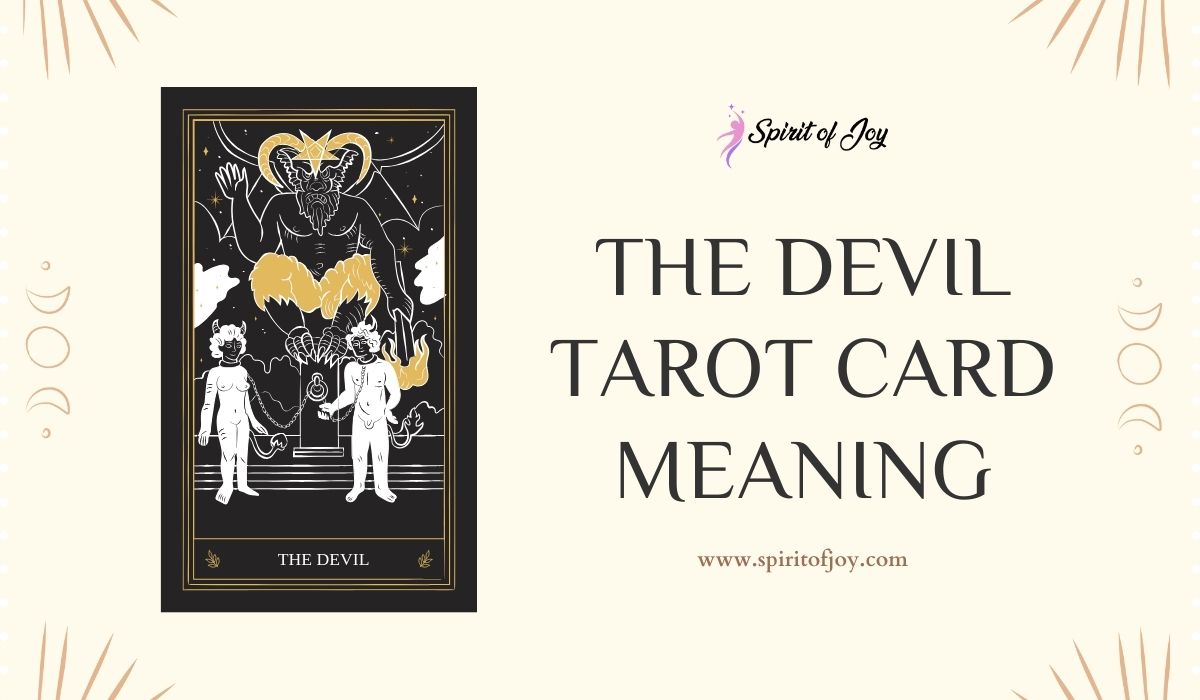
The Devil Tarot card, numbered XV in the Major Arcana, is a complex symbol of temptation, addiction, and the illusions that keep us trapped. Unlike the innocent Fool or the triumphant Star, the Devil doesn’t wear a crown—he’s a shadowy figure perched atop a pedestal, his wings outstretched like a predator surveying its prey. The two figures chained at his feet aren’t just victims; they’re willing participants in their own captivity. This duality is key: the Devil doesn’t force chains upon you. Instead, he offers them, and you choose to wear them.
At its core, the Devil represents the material world’s allure—the things we chase that promise happiness but deliver emptiness. Addictions, toxic relationships, and compulsive behaviors are all cages forged from our own desires. The card’s imagery is deliberate: the inverted pentagram on the Devil’s forehead isn’t just a satanic symbol—it’s a reminder that when we invert our values (prioritizing greed over love, control over freedom), we invert our power. The chains are made of roses and gold, illustrating how even beautiful things can become prisons when they replace authenticity.
Upright Meaning: The Chains You Wear (And How to Shake Them)
When the Devil appears upright in a reading, it’s a wake-up call. This card doesn’t judge your choices—it asks you to examine them. Are you clinging to a job that drains you because of the paycheck? Stuck in a cycle of toxic gossip because it makes you feel superior? The Devil’s upright energy highlights the areas where you’ve traded your soul for temporary comfort. But here’s the playful twist: the Devil isn’t here to shame you. He’s here to play a game of “What if?” What if you unclasped those chains today? What if freedom was just a decision away?
This card often surfaces when you’re in denial about an addiction, whether it’s to substances, social media, or even people. The Devil’s chains are heavy, but they’re also weightless in the sense that you can drop them anytime. The challenge lies in recognizing the illusion: the Devil’s promises (security, love, validation) are always just out of reach because they’re built on false foundations. For example, if you’re in a relationship where you feel suffocated but stay because “it’s better than being alone,” the Devil is asking, “Better than what?” The upright Devil dares you to confront the truth—your cage is gilded, but it’s still a cage.
Reversed Meaning: Breaking Free (Or Falling Back In)
When the Devil appears reversed, the chains are loosening—or you’re about to pick them back up. This is the card of rebellion, of smashing the illusion before it hardens into reality. In the reversed position, the Devil signals that you’re on the cusp of liberation. Maybe you’ve already taken the first step: deleting a toxic app, ending a codependent friendship, or admitting you’re in over your head with a habit. The reversed Devil is the voice of reason whispering, “You don’t have to stay.” It’s the moment of clarity where you realize the cage was never locked—you just forgot the key.
However, the reversed Devil also warns of relapse. Freedom isn’t a one-time event; it’s a daily practice. Have you ever quit smoking, only to light up again during stress? That’s the Devil’s reversed energy at work—testing your resolve. The card might also reveal that you’re blaming external forces for your captivity (“My boss made me stay late” or “My partner controls me”), when the truth is, you’re still choosing the chains. The reversed Devil asks you to take radical responsibility: no more excuses, no more “what-ifs.” It’s time to walk away.
Symbolism Deep Dive: The Devil’s Secret Language
The Devil’s imagery is rich with hidden messages. His raised right hand forms a blessing—or a curse—while his left hand holds a torch that burns but doesn’t illuminate. This duality speaks to the Devil’s role as a trickster: he illuminates just enough to keep you chasing, but never enough to show you the exit. The two figures chained at his feet are often interpreted as Baphomet’s acolytes, but they could also represent your own shadow self—the parts of you that you’ve disowned but still obey.
The inverted pentagram on the Devil’s forehead is another layer of symbolism. Inverted, it represents the material world’s dominance over the spiritual. When this card appears, it’s a sign that you’ve placed too much value on tangible rewards (money, status, physical pleasure) at the expense of intangible ones (peace, love, self-respect). The Devil’s torch, meanwhile, casts flickering light on your desires, making them seem urgent and vital—until you step back and realize they’re just embers.
Practical Challenges: The Devil’s Playground
The Devil Tarot card isn’t just a warning—it’s an invitation to play. Here are three challenges to help you engage with this energy in a transformative way:
- Chain Audit: Write down three areas of your life where you feel trapped. Are these cages self-imposed? What would happen if you removed one chain today?
- Desire Detox: Pick one material desire (a purchase, a habit, a relationship dynamic) and go 48 hours without indulging it. Observe the emotions that arise—boredom, anxiety, relief?
- Shadow Dialogue: Have a conversation with your “Devil self”—the part of you that makes excuses, procrastinates, or seeks instant gratification. Ask it: “What are you really afraid of?”
These exercises aren’t about punishment; they’re about play. The Devil thrives on seriousness, so your rebellion starts with laughter. What if your cage was just a room with the door unlocked? What if the key was in your pocket the whole time?
Love and Relationships: The Devil’s Bargain
In love readings, the Devil often appears when a relationship has turned into a transaction. Maybe you’re staying because of fear of being alone, or you’re with someone who makes you feel small but “safe.” The Devil in love asks: Is this partnership bringing out your best self, or is it a mirror of your insecurities? Codependency, emotional manipulation, and even physical addiction can all be the Devil’s playground in relationships.
If you’re single, the Devil might be warning you about patterns—do you always chase unavailable people? Do you mistake intensity for passion? The Devil’s reversed energy here could signal that you’re finally ready to break the cycle. Ask yourself: What’s the worst that could happen if I chose someone who truly sees me? The answer might surprise you.

Career and Finances: The Golden Cage
At work, the Devil often points to a job that feels like a prison—long hours, unfulfilling tasks, or a boss who drains your energy. The Devil’s chains here are gold-plated: high salary, prestige, or “job security.” But ask yourself: What are you sacrificing for that paycheck? Your health? Your creativity? Your relationships? The Devil in career readings is a reminder that money can’t buy freedom if you’ve already sold it.
Financially, the Devil might reveal compulsive spending, gambling, or a fear of abundance. The card asks: Are you accumulating wealth out of love or fear? The reversed Devil could signal that you’re ready to downsize, simplify, or even take a risk that aligns with your values instead of your bank account.
Spiritual Growth: The Devil as a Teacher
The Devil isn’t an enemy—he’s a teacher in disguise. His lessons are hard, but they’re necessary. Spiritually, the Devil represents the ego’s attachment to form: the belief that happiness is found in things, not in presence. When this card appears, it’s a sign that your spiritual practice has become routine, or that you’re using spirituality as another escape (“I’m so enlightened I don’t have to deal with my emotions”).
The Devil’s reversed energy in a spiritual context is a call to integrate your shadow. What parts of yourself have you disowned? Anger? Lust? Greed? The Devil doesn’t want you to reject these parts—he wants you to befriend them. Only then can you transcend the cycle of shame and liberation.
Conclusion: You Are the Cage and the Key
The Devil Tarot card is a paradox: it’s both the cage and the key. It’s the addiction and the moment of clarity, the toxic relationship and the courage to leave, the material world’s allure and the spiritual awakening that follows. The chains are real, but they’re not unbreakable. The Devil’s game is to make you forget that you’re playing it—until you remember, laugh, and walk away.
So the next time the Devil appears in your reading, don’t shrink back. Ask him: “What’s the joke?” Because the punchline is always the same: the only prison you’ve ever been in is the one you built yourself. And the only way out? You already know the way. Now take the first step.
FAQ
What does the Devil Tarot card mean?
The Devil Tarot card symbolizes bondage, desire, and the challenges of breaking free from self-imposed limitations.
How can the Devil card impact love readings?
In love readings, the Devil may indicate codependency or unhealthy relationship dynamics that need to be addressed.
What are the upright and reversed meanings of the Devil card?
Upright, it signifies a wake-up call to examine choices; reversed, it suggests potential liberation but also warns of relapse.
Leave a Reply